Project Hail Mary: Why the First Cut Was Nearly Twice as Long as the Film You Saw

The Epic Scale Behind Project Hail Mary’s Editing Journey
When Project Hail Mary made its theatrical debut, audiences witnessed an ambitious sci-fi voyage clocking in at an intense 156 minutes. Yet, hidden behind the scenes was a version of this adaptation that dwarfed what fans ultimately saw—an initial cut that flirted with the four-hour mark. This extended runtime wasn’t just a product of indulgence, but a testament to the complexity and faithful adaptation of Andy Weir’s beloved novel.
From Assembly Cut to Theatrical Precision
Directors Phil Lord and Christopher Miller have pulled back the curtain on their process, revealing that their earliest assembly cuts often overflow with footage thanks to capturing every nuance and subplot from Weir’s tale. These rough edits, running well beyond three and a half hours, are not made for the public eye; rather, they’re the raw materials from which the cinematic experience is forged. Every scene shot, every moment of character development, and every technical marvel in outer space—these make it to the initial assembly before being carved down in the editing bay.
The move from an epic 225-minute assembly to a tighter, more focused movie is a common rite of passage for blockbusters of this scale. The challenge is to preserve the spirit of the original work while ensuring audiences remain immersed. In recent years, tentpole films have edged toward longer runtimes, but sustaining attention and narrative flow for nearly four hours is rarely feasible outside of streaming miniseries or director’s cut home releases.
Striking a Balance: Story, Pacing, and Audience Engagement
Project Hail Mary stands out among adaptations for its fidelity to the source material’s tone and intensity. However, the directorial duo faced crucial choices. As they revealed in interviews, test screenings made it clear when certain story beats didn’t land, prompting decisive edits. This is where the adage ‘kill your darlings’ comes into play—letting go of scenes, however beloved, that don’t serve the narrative’s pacing or emotional impact.
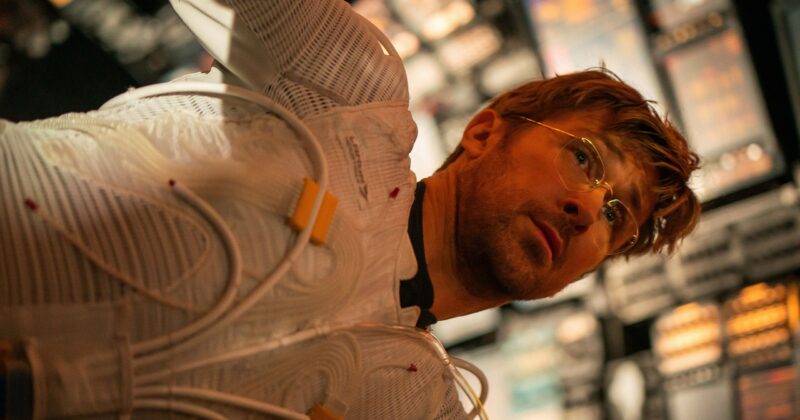
The film’s final form exemplifies this philosophy. Instead of cramming every detail from Weir’s novel, Lord and Miller focused on keeping the audience engaged, moving briskly between moments of suspense, character introspection, and sharp sci-fi spectacle. The decision to cut material was guided by rhythm and audience reaction rather than a predetermined runtime target. What remains is a streamlined yet resonant narrative arc, led by Ryan Gosling’s compelling performance as Ryland Grace and supported by a strong ensemble.
Why Studios Chart This Path
While the thought of a director’s cut piques the interest of die-hard fans—especially for a project of this scope—major studios are keenly aware of mainstream constraints. Box office potential hinges not only on story but also on how many screenings a film can fit into a single day. Pushing beyond the three-hour mark often means sacrificing ticket sales, despite the current appetite for longer-form storytelling. Amazon MGM’s successful release strategy for Project Hail Mary reflects industry wisdom: balance artistic ambition with accessibility, maximizing appeal without diluting creative vision.
Project Hail Mary’s Place in Modern Sci-Fi Cinema
This adaptation’s journey from sprawling manuscript to compact cinematic event highlights the delicate artistry of film editing. The collaboration between Lord, Miller, and lead writer Drew Goddard has resulted in a film that not only honors Weir’s intricate storytelling but also delivers a blockbuster suited for today’s demanding audiences. By opting for precision over maximalism, Project Hail Mary showcases how even the grandest sci-fi odysseys can be distilled into taut, compelling drama without losing their soul.
Starring Ryan Gosling and Sandra Hüller, this space adventure cements itself as both a crowd-pleaser and a technical achievement in adaptation, merging stellar performances with disciplined storytelling for a film that will resonate with both genre enthusiasts and casual viewers alike.