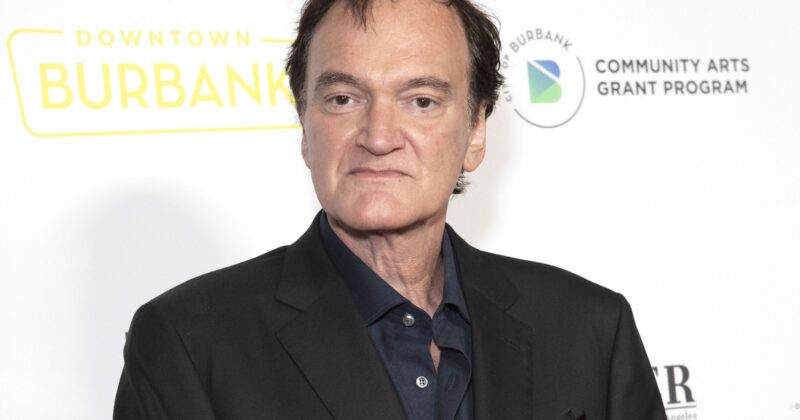
Quentin Tarantino Responds Fiercely to Rosanna Arquette’s Critique Over N-Word Usage in Pulp Fiction

Quentin Tarantino Fires Back at Criticism Over Language in Pulp Fiction
Quentin Tarantino, one of cinema’s most provocative directors, has never shied away from controversy, but his recent clash with Rosanna Arquette has reignited the conversation around the use of racially charged language in his films. Arquette, who played Jody in Pulp Fiction, made headlines when she openly criticized Tarantino’s repeated use of the N-word, particularly pointing to her discomfort with its prevalence in projects like Pulp Fiction and Django Unchained.
Behind the Scenes: Turbulence Among the Cast
Arquette’s recent comments weren’t just offhand remarks—they were part of a much broader reflection on what it means to participate in iconic works while confronting their problematic elements. Despite originally calling Pulp Fiction an ‘iconic’ and ‘great’ film, Arquette confessed to The Times that she’s weary of hearing the racial slur, stating, ‘I’m over the use of the N-word — I hate it. It’s not art; it’s just racist and creepy.’ Her candor speaks to a wider tension many artists face: balancing legendary status with evolving cultural standards.
Tarantino’s Blunt Rebuttal
Never one to soften his words, Tarantino issued a direct and personal rebuke to Arquette through a highly circulated letter. He questioned her motives for bringing the issue to light now, years after the film’s release and after accepting the role, salary and all. He suggested Arquette’s critique was less about principle and more about publicity, writing, ‘I hope the publicity you’re getting from 132 different media outlets writing your name and printing your picture was worth disrespecting me and a film I remember quite clearly you were thrilled to be a part of.’
While Tarantino acknowledged it is ‘very possible’ Arquette’s feelings have shifted over the years, he called her public criticism a ‘cynical’ act and lamented what he sees as a lack of solidarity among artistic peers. The letter is a testament to the director’s belief in an ‘esprit de corps’—a brotherhood among creators that he feels has been broken.
History of the Debate Around Tarantino’s Dialogue
This isn’t the first time Tarantino has faced backlash. Filmmakers like Spike Lee and Lee Daniels have repeatedly criticized what they see as an excessive, and at times gratuitous, inclusion of the N-word in his screenplays. The statistic is staggering: the word is heard more than 20 times in Pulp Fiction and over 100 times in Django Unchained. While some defend its use as contextually accurate for the settings and characters, others argue it crosses the line into exploitation.
Pulp Fiction: A Film That Continues to Polarize
Pulp Fiction remains an essential touchstone for fans of modern cinema. The film wove together the lives of L.A. criminals through the unforgettable performances of John Travolta, Samuel L. Jackson, Uma Thurman, Bruce Willis, and others. Critics and audiences agree on its influence, as reflected by its stellar scores on Rotten Tomatoes—a critic score of 92% and audience score of 96%. Its legacy includes multiple Academy Award nominations and a win for Best Original Screenplay for Tarantino and Roger Avary.
The friction between Arquette and Tarantino highlights the evolving dialogue within Hollywood regarding responsibility, representation, and the limits of artistic license. As the industry transforms and cultural conversations continue to evolve, debates about language, power dynamics, and legacies of iconic films are certain to remain at the forefront.
Looking at Rosanna Arquette’s Career
Beyond her role in Pulp Fiction, Arquette has been an enduring presence on screens big and small. Her standout performance in Desperately Seeking Susan earned her a BAFTA, and she has been featured in The Aviator, Crash, The Whole Nine Yards, and other hits. Her willingness to critique one of the most influential directors of our time ensures her continued resonance in debates about Hollywood’s cultural responsibility.