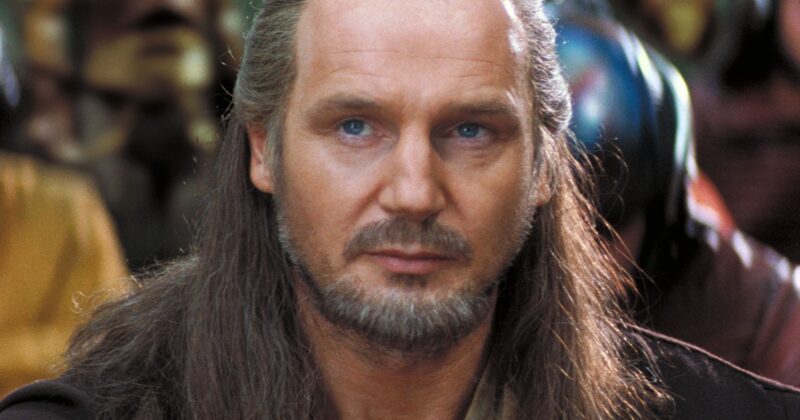
The Uncomfortable Truth Behind Qui-Gon Jinn’s Force Tricks
From the moment audiences meet Qui-Gon Jinn in The Phantom Menace, his presence is commanding, contemplative, and instinctively powerful. Yet for all his wisdom, Qui-Gon’s actions throughout the film paint a revealing portrait of the Jedi Order’s core flaws—a theme that ripples across the Star Wars saga. Far more than just a maverick master, Qui-Gon embodies the contradictions that would one day doom an ancient order of heroes.
Qui-Gon’s Use of the Force: Useful, Yet Tainted by Hypocrisy
Star Wars lore is rich with examples of the Jedi’s mystical abilities, with the Force often bent to the will of those who wield it. In The Phantom Menace, Qui-Gon flexes familiar powers: telekinesis, subtle persuasion, even the legendary Jedi mind trick. On Tatooine, desperate for ship parts and armed only with Republic credits, he tries to use the mind trick on Watto. But Watto’s species, Toydarians, are famously immune to such manipulation, leaving Qui-Gon’s attempt awkwardly exposed.
This moment isn’t just about failed negotiation; it highlights how even Jedi masters are willing to sidestep ethics when their interests are threatened. Despite being trained as peacekeepers and defenders of justice, Qui-Gon’s willingness to use the Force for personal convenience shows a selective morality. These aren’t life-or-death stakes—merely the frustration of local currency—but Qui-Gon doesn’t hesitate to meddle regardless.
The Double Standard: Justice for Some, Not for All
Qui-Gon’s forceful tactics don’t end there. He manipulates the roll of a chance cube, rigging a wager to win Anakin Skywalker’s freedom—yet consciously chooses to leave Anakin’s mother, Shmi, enslaved, citing Jedi constraints. The contrast is stark: when intervention aligns with their goals, Jedi step in. When the situation is inconvenient or politically complex, such as freeing a slave or aiding a neutral planet under siege, they step back.
Star Wars fans are acutely aware of these inconsistencies, seeing them play out not just with Qui-Gon but throughout Jedi history. The Order, in trying to rise above the galaxy’s troubles, too often decided when to act based on shifting definitions of necessity. Their self-imposed detachment became a shield for inaction—except when personal interests or Republic politics were at stake.
When Power Meets Politics: The Prequel Era Jedi’s Identity Crisis
This moral ambiguity escalates on a galactic scale. The Jedi Council, during the prequel trilogy, gets tangled in the web of Republic allegiances. When Mandalore called for help as war loomed, the Jedi refused on grounds of neutrality—even though their duty was, at its core, to help those in need. The Order’s increasing entanglement with politics led to a paralysis where they took sides in conflicts they should have risen above.
Qui-Gon’s small acts—seemingly justified, even well-intentioned—mirror this larger dilemma. They are everyday reminders that, beneath the Jedi robe and stoic philosophy, lay a force vulnerable to compromise. These missteps aren’t restricted to one Jedi, but reflect a culture of selective intervention, eroding the very ideals they were sworn to uphold.
Star Wars’ Enduring Lesson: Heroism, Compromise, and the Price of Power
For fans and critics alike, revisiting The Phantom Menace offers a window into the deep-rooted frailties of Star Wars’ iconic peacekeepers. The saga’s greatest lesson may not be just about the seduction of the dark side, but the cost of claiming moral certainty while practicing selective morality. Qui-Gon Jinn, with his charm, wisdom, and quietly radical choices, remains one of the saga’s most complex Jedi—because he reveals just how fine a line there is between heroism and hypocrisy in a galaxy far, far away.