Re-Animator: The Lovecraft Classic Returns to the Spotlight After Frankenstein’s Modern Success

The Revival of Lovecraftian Horror: Why Re-Animator Matters Now
Lovecraftian horror has long occupied a unique place within the cinematic landscape, often challenging filmmakers with its blend of existential dread and cosmic uncertainty. While few have been able to capture the nuanced terror of H.P. Lovecraft’s prose, every so often, a bold director or creative team manages to tap into those unsettling themes. The upcoming remake of Re-Animator, based on Lovecraft’s ‘Herbert West: Reanimator’, arrives at a perfect cultural juncture, fueled by renewed interest in classic horror adaptations and the electrifying impact of recent hits in the genre.
A Cult Classic Rises Again: The Legacy of Re-Animator
The legacy of the original Re-Animator (first brought to the screen in the mid-80s) stands as a testament to the enduring versatility of Lovecraft’s stories. The film quickly became a cult sensation, celebrated for its macabre humor and inventive practical effects, and it even inspired a pair of sequels. What set this adaptation apart was its tonal balancing act—flirting with camp while never fully surrendering to parody, and delivering a narrative laced with both horror and morbid comedy.
The decision to revisit Herbert West: Reanimator now, under the stewardship of Adam Simon and Tim Metcalfe and backed by Woodlake Entertainment, isn’t just a gamble on nostalgia. It’s a recognition of how much appetite there is for stories that blur the lines between science, the supernatural, and humanity’s insatiable curiosity about life and death. Producers Jeffrey Lewis and Keith Previte carry the significant challenge of honoring the cult legacy while reimagining the story for modern audiences—where expectations around practical effects, psychological depth, and philosophical undertones are higher than ever before.
The Influence of Frankenstein’s Resurgence
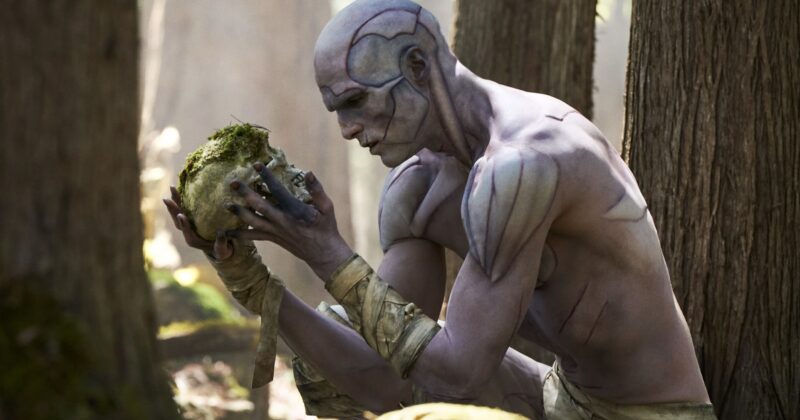
What makes this new Re-Animator so timely is its connection to another radical reimagining: Guillermo del Toro’s recent take on Frankenstein. Both Lovecraft’s ‘Herbert West’ and Mary Shelley’s ‘Frankenstein’ grapple with scientific ambition and its consequences—a theme sizzling with relevance as AI, cloning, and bioengineering fuel public debate. The Lovecraft novelette, originally intended as a satirical riff on Shelley’s work, embraced exaggerated tropes, pushing the horror from sublime to grotesquely comedic. The 1985 film adaptation mirrored this, injecting tongue-in-cheek humor into the persistent unease.
With the recent surge in Frankenstein-inspired media—including not only Guillermo del Toro’s celebrated Netflix film but also alternative takes like Maggie Gyllenhaal’s ‘The Bride’—the conversation around scientific hubris and creation stories has never been more fervent. In an era when pop culture is deeply invested in examining our relationship with technology and the limits of innovation, the arrival of a new Re-Animator feels both nostalgic and cutting-edge.
What to Expect from the New Re-Animator
The creative team faces the challenge of tapping into both the freakish energy of the original and the intellectual undercurrents that make Lovecraft’s stories enduring. As public expectations grow for horror that operates on multiple levels—haunting, satirical, thought-provoking—the remake must walk the fine line between homage and reinvention. That entails updating its visual language, perhaps incorporating modern practical and digital effects while maintaining the visceral legacy of the classic film’s gore. There’s also plenty of room to play with gender dynamics, science ethics, and existential dread, especially as contemporary horror fans increasingly crave layered narratives with sharp social commentary.
Given the success of recent horror films that respect both tradition and innovation, this new adaptation of Re-Animator is primed to capture attention. The remake is not only a nod to Lovecraft’s original intent—a dark, witty parody of hubris and the quest for immortality—but also a vibrant addition to the ongoing dialogue on how classic horror shapes and is shaped by the anxieties of each generation.
Connecting the Dots: Horror’s Evolution in Pop Culture
Modern horror is thriving because it isn’t afraid to revisit its roots. Whether drawing inspiration from Shelley’s existential terror, Lovecraft’s cosmic paranoia, or del Toro’s visually lush monster tales, today’s filmmakers are crafting adaptations that resonate on multiple levels. The forthcoming Re-Animator aims to stand among these, and if it succeeds, it could solidify its source material as a touchstone for another generation of horror enthusiasts. With classic themes recast for a new era, and filmmaking talent unafraid to lean into both horror and humor, anticipation for Re-Animator’s new life on screen is running high.