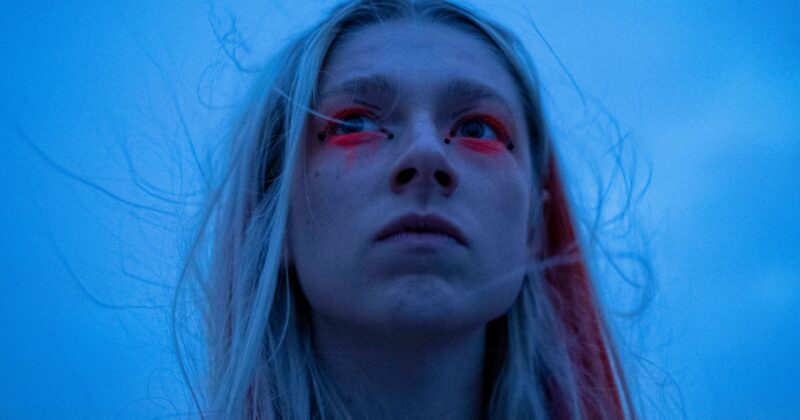
The Complex Reality of Revisiting Euphoria Ahead of Its Next Season
For many, Euphoria isn’t just another teen drama; it’s an experience defined by magnetic performances, audacious visual storytelling, and relentless emotional intensity. With anticipation for the upcoming new episodes, fans everywhere are revisiting the sensational first and second seasons, only to uncover fresh layers—and some glaring flaws—beneath the show’s glossy, neon-lit finish.
A Tale of Two Seasons: Cohesion and Chaos
The debut season established Euphoria as a modern TV masterpiece. Each episode uncovers the dark backstory of one of the main characters, with Rue’s battle against addiction meticulously woven through every beat. The approach is sharp and organized, drawing viewers into a vibrant yet harrowing world. But as soon as the narrative hits season two, the structure loosens. Key characters such as Rue and Jules slip into the background, storylines spiral without resolution, and a sense of aimlessness sets in. The season finale in particular leaves too many threads dangling, highlighting just how much tighter the storytelling once was.
Unbearable Family Tension: Rue and Leslie’s Volcanic Dynamic
The connection between Rue and her mother Leslie, powerfully portrayed by Zendaya and Nika King, stands among the show’s most volatile emotional centers. Every confrontation escalates with a rawness that is nearly painful to watch. When Rue’s little sister, Gia, is present, the tension multiplies—the hope for peace in the family always, heartbreakingly, just out of reach. The performances mesmerize, but the content is ruthlessly uncomfortable, even for dedicated fans.
Ethan and Kat: A Relationship Derailed
Kat and Ethan’s romance began as a refreshing exception—a kind boy willing to put Kat’s needs first. But as the pair grows distant, what could have been a nuanced look at emotional compatibility instead turns manipulative. Kat’s fabricated breakup scenario and subsequent gaslighting of Ethan leaves viewers frustrated and sympathetic towards a character who deserved far better treatment from both Kat and the show’s narrative focus.
The Debate Over Sensationalism and Excess
Euphoria is no stranger to controversy, particularly regarding its explicit content. The show often tiptoes—or stomps—across the line between artistic depiction of teen sexuality and outright exploitation. While some sequences add raw power and honesty to the characters’ arcs, just as many feel gratuitous or even glorifying in their portrayal of substance abuse and violence. Audiences are left questioning the boundary between shock value and meaningful commentary, especially as climactic scenes slide toward the outright theatrical.
Lexi’s Play: Art Imitating (Too Much) Life
Season two’s climax revolves around Lexi’s autobiographical school play—a creative meta-reflection of the show’s ensemble. Entertaining as it is, the play rehashes moments the audience already knows. The novelty of seeing familiar drama enacted by lookalikes doesn’t quite elevate the material, serving instead as a reminder of how deeply these characters have already revealed themselves throughout the series.
Elliot’s Song—A Musical Misstep
Amid the chaos of the season two finale, a moment stands out for its uncanny ability to halt the show’s momentum: Elliot serenading Rue. Despite Dominic Fike’s real-life musical prowess, the song’s inclusion drags the episode to a stop, overstaying its welcome and feeling out of place during a crescendo that should have been all about narrative closure. For many viewers, this was one of the season’s weakest choices.
TV Show or Extended Music Video?
Euphoria’s identity is deeply entwined with its visual bravado. Its sequences, particularly those focused on parties and chaos, often resemble high-production music videos more than traditional television. Flashy cuts, erratic editing, and kinetic camera work pay homage to classic films like Goodfellas, but can sometimes distract from core storytelling, making it harder for viewers to connect with the plot amidst the visual noise.
Nate Jacobs: The Unrelenting Villain
Nate, played with chilling conviction by Jacob Elordi, remains one of recent TV’s most complex and unlikable figures. His crimes escalate across both seasons, from violence to psychological manipulation and threats. Every new viewing only sharpens the discomfort; these scenes remain difficult, sometimes even harrowing, to endure, regardless of how compelling Nate’s character study becomes.
Unfulfilled Threats: Laurie’s Shadow Lingers
Introduced as a formidable and deeply menacing presence, Laurie represents the brutal realities lurking beneath Euphoria’s glamor. Rue’s interactions with her—especially the threat of trafficking—are some of the show’s darkest moments. However, the plotline fizzles too quickly, failing to deliver the expected confrontation or resolution. It’s a stark narrative misstep for a show that’s otherwise unafraid to push boundaries.
As Euphoria prepares for its highly anticipated next chapter, rewatching the series is a double-edged sword, revealing both the stunning artistry and the unresolved tensions that continue to spark debate and discussion among fans and critics alike.