Why Carol Stands Out in Pluribus: Rhea Seehorn’s Unapologetic Approach
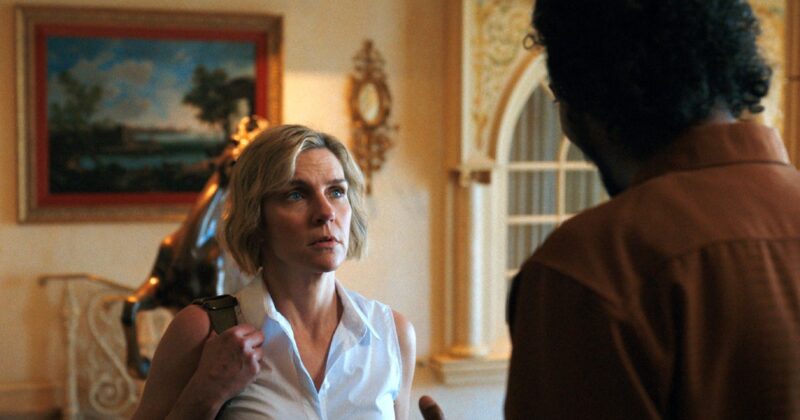
Apple TV’s acclaimed series Pluribus isn’t just breaking streaming records—it’s also sparking lively debates about its lead, Carol Sturka, portrayed by Rhea Seehorn. Despite a nearly flawless critics’ score, some viewers wrestle with finding Carol ‘likable,’ a conversation that Seehorn herself has tackled head-on while discussing the character’s depth and the double standards female protagonists often face in genre television.
The Anatomy of a Controversial Protagonist
Upon its release, Pluribus quickly became the platform’s most-watched show, boasting rave reviews and a rare 98% from critics. The audience response, however, paints a more divided picture. With a significantly lower viewers’ score, the main point of contention surrounds Carol’s perceived lack of warmth or heroism—traits traditional narrative structures often associate with leading characters, especially women.
During a public panel at SXSW, Seehorn directly addressed criticism labeling Carol as ‘unlikable.’ She argued that the term is often weaponized against female characters, limiting the bandwidth of personalities women can portray on screen. Rather than chasing likeability, Seehorn leans into her character’s trauma and grit: Carol navigates loss—the death of her wife Helen—and isolation in a world reshaped by an alien virus. Rather than sugarcoating Carol’s actions or reactions, Seehorn pursues an honest, intricate performance. As she puts it: ‘Carol is allowed to be the full spectrum of human behavior. I find her complex, difficult, and challenging’.
Contrasting Drama Through Character
Vince Gilligan, the creator behind Pluribus and renowned for subverting expectations in shows like Breaking Bad, intentionally juxtaposes Carol’s brashness with the unsettling niceness displayed by those infected by the show’s alien hive-mind. In a universe where politeness is associated with assimilation and Carol stands as a last bastion of individuality, her rough edges become not a flaw, but a survival mechanism. According to Gilligan, this is classic storytelling craft: contrast breeds tension, and tension drives great drama.
Double Standards and Cultural Reflexes
It’s not the first time Gilligan’s series have fielded backlash about ‘unlikable’ women. Breaking Bad’s Skyler White faced a storm of criticism, despite the show’s male antiheroes routinely getting a pass. In Pluribus, Carol, as the protagonist, absorbs even more scrutiny—yet other survivors in the cast, such as Manousos Oviedo, who is portrayed as even harsher and less compromising, don’t draw the same ire from audiences.
This double standard subtly mirrors larger discussions in both pop culture and society at large. Viewers are often more forgiving of abrasive, morally grey male leads, while female characters are expected to temper strength with constant empathy and approachability. Seehorn’s Carol resists this narrative, challenging audiences to empathize with a nuanced, battered survivor intent on retaining her free will against an overwhelming adversary.
What’s Next for Carol and Manousos?
With production underway on Pluribus season 2, all eyes are on how the show will further explore Carol’s relationship with the remaining survivors and the hive mind. After the panel, and Seehorn’s illuminating comments, anticipation is high to see whether perceptions of Carol evolve as her journey continues. The show’s willingness to interrogate traditional character “likability”—particularly for women—signals a bold new direction for genre television on major streaming platforms.
Pluribus isn’t just creating memorable drama; it’s challenging viewers to rethink what makes a protagonist truly worth following in this era of complex antiheroes.