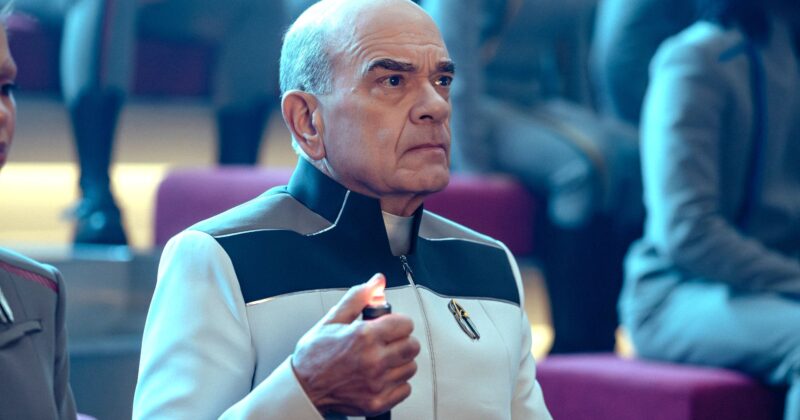
Robert Picardo Reflects on Star Trek: Starfleet Academy’s Untimely End and the Franchise’s Core Values

The Surprising Cancellation of Star Trek: Starfleet Academy
Only days after Star Trek: Starfleet Academy closed its freshman chapter, fans received the disappointing announcement that the ambitious series would not see a third season. The news sent ripples across the franchise’s dedicated fanbase, especially given its promise to bridge generations and redefine what Star Trek means for a new age of viewers.
Robert Picardo and the Legacy of The Doctor
Robert Picardo returned to Star Trek in this latest series, reprising his longtime role as The Doctor—this time as a mentor figure and a symbolic link from Voyager’s storied past to the imagined, optimistic future centuries ahead. Season 1 saw his character grapple with the evolution from legacy trauma to exploring the humanity within, even making the profound choice to become a parent to a fellow hologram, SAM (portrayed by Kerrice Brooks).
A Franchise Shaped by Its Times
Appearing recently on a podcast to discuss his career and the future of Star Trek, Picardo did not shy away from addressing why the show may have struggled to find its place today. He described Starfleet Academy as rooted in the diversity and inclusivity that have defined the saga for decades—a vision central to Gene Roddenberry’s hopeful outlook on humanity’s journey through the cosmos. Picardo observed, however, that current political and cultural climates may be less receptive to such themes, suggesting that the pendulum of public sentiment has temporarily swung away from the franchise’s progressive heritage. His commentary served as both a candid diagnosis and a quiet call for fans and creators to remember these core values that have always made Star Trek unique.
Diversity in the Spotlight—And Under Fire
The series quickly became a touchstone for online discourse as its multi-generational, multicultural cast and queer representation were both championed and, unfortunately, subjected to regressive backlash. As history has shown, every new iteration of Star Trek—beginning memorably with The Next Generation—has initially faced skepticism from vocal corners of fandom, only to later find its footing and widespread appreciation. This time, the headwinds proved too great, with factors ranging from political unease to the series’ inability to capture a substantial streaming audience, as reported by major industry outlets.
Starfleet Academy’s Story: Unfinished by Design
Unlike previous shows that had the luxury of evolving over several years, Starfleet Academy was crafted as a four-year arc—mirroring the academic journey of its cadets. With the show ending after just two seasons and a sophomore-year cliffhanger, significant narrative threads have been left unresolved. The series finale promises to be bittersweet, knowing the creative blueprint remains incomplete, a rare occurrence within the Star Trek television canon.
No New Star Trek on the Horizon—For Now
With production wrapping and no new Star Trek series currently announced or in development, the franchise is about to enter a rare period of silence. Veteran cast, including Picardo, express hope that when Star Trek inevitably returns, it will do so with its trademark values of scientific optimism and character-driven storytelling firmly intact.
William Shatner and the Wisdom of Longevity
In the wake of Starfleet Academy’s cancellation, fellow legend William Shatner voiced his own disappointment online. Picardo, reflecting on recent in-person encounters with Shatner, celebrated the 95-year-old icon’s relentless curiosity and youthful spirit, marking him as a living testament to perennial reinvention and engagement—a lesson for all, both within and outside the Star Trek universe.
What Lies Ahead for Star Trek
As fans await the release of Starfleet Academy’s remaining episodes and the final season of Strange New Worlds, attention turns to what the next evolution of the franchise might look like. The hope, as repeated among the cast and creators, is that Star Trek will return once again to light the way for optimism, diversity, and bold exploration—values that remain as essential to the real world as they are to the final frontier.