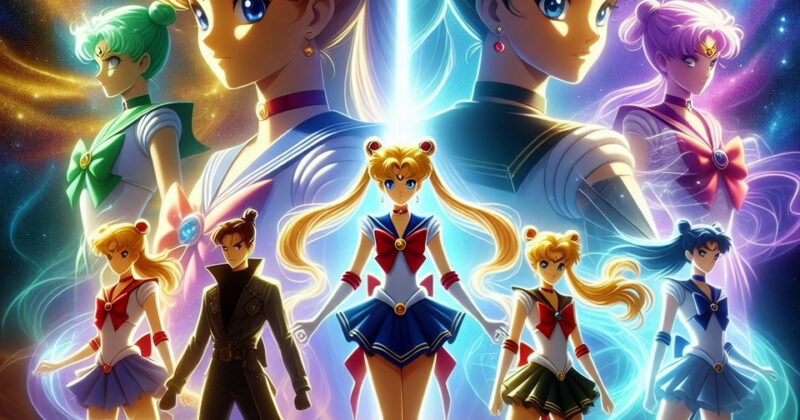
Sailor Moon: Breaking the Magical Girl Mold
No other animated series has impacted global pop culture quite like Sailor Moon. Beyond inspiring generations of fans, its influence stretches far into fashion, music, and even the representation of diverse identities in anime. Yet, over decades of unwavering fandom, a pivotal detail about what Sailor Moon truly is has been overlooked—until now.
The Director’s Radical Perspective
Kunihiko Ikuhara, the visionary director behind Sailor Moon’s most iconic TV arcs, recently shook the anime community by challenging the label fans have attached to his work for so long. For many, Sailor Moon stands at the center of the ‘magical girl’ canon, serving as the blueprint for everything from Cardcaptor Sakura to Pretty Cure. But Ikuhara insists this is a fundamental misunderstanding. He stated plainly: ‘I actually haven’t worked on a single magical girl anime. It’s a pretty rough generalization.’
This statement goes beyond mere genre nitpicking. Ikuhara isn’t just pushing back on semantics; he’s highlighting a deeper creative intent that’s been overlooked by both critics and admirers.
Henshin Hero: The Heart of Sailor Moon
For Ikuhara, Sailor Moon isn’t a magical girl story at all—it’s a henshin hero saga, akin to titans of Japanese superhero television such as Kamen Rider or Super Sentai (known internationally as the basis for Power Rangers). The distinguishing factor? Transformation as a source of power, the use of mystical objects, and, most crucially, an emphasis on action-driven teamwork over solitary domestic drama.
In the henshin genre, transformation (“henshin”) is more than a visual flourish—it’s a rite of passage. Sailor Moon and her fellow Guardians engage in battles that put their lives and ideals at stake, blending dynamic storytelling with real emotional depth. This approach shattered the conventions of earlier magical girl series, which often revolved around relatively low-stakes personal growth and everyday dilemmas.
Why It Matters: Sailor Moon’s True Legacy
Recognizing Sailor Moon as a henshin hero show changes how we see its legacy. While magical girl anime certainly evolved thanks to its popularity, the series set a template for collaborative heroism more akin to superhero teams in Western comics and tokusatsu dramas than the solitary protagonists common in earlier shoujo stories.
- Action and Emotion: The show balances explosive confrontation with heartfelt moments of friendship and love, offering a richer narrative palette than formulaic genre boundaries suggest.
- Representation: With diverse characters and bold explorations of gender and relationships, Sailor Moon continuously pushes the envelope for what mainstream animation can be.
- Influence Beyond Anime: Its format echoes in modern superhero blockbusters, ensemble-driven cartoons, and the merchandising of character-driven franchises worldwide.
A New Lens for a Timeless Phenomenon
By viewing Sailor Moon through the lens of henshin hero fiction, new layers to its story surface—layers that complement its celebration of female empowerment and LGBTQ+ visibility. It pays tribute to the transformative power of teams, the strength found in overcoming adversity alongside allies, and the enduring appeal of heroes who are as flawed as they are inspiring.
It’s time to reconsider what makes Sailor Moon a classic—not by its magical girl trappings, but by its spirit of transformation and courageous camaraderie that continues to inspire new generations of fans and creators across media.