Satoru Gojo: From Tragic Loss to Resonant Heroism
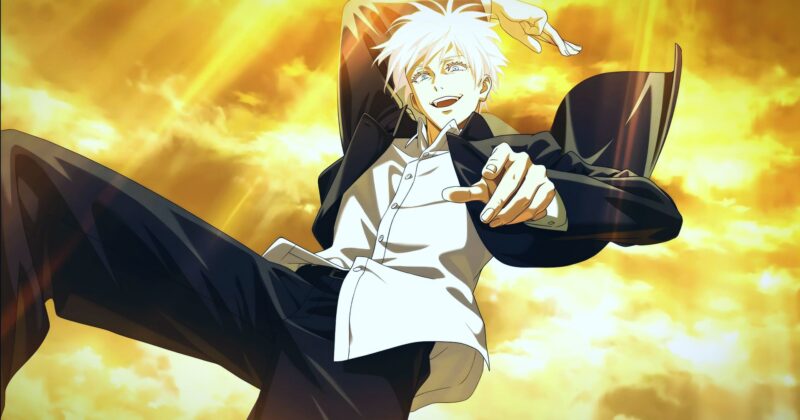
In the competitive and tense universe of Jujutsu Kaisen, few characters have commanded more worldwide attention and fan discussion than Satoru Gojo. The revelation of his fate marked a turning point not only for manga readers but for the very mythology of the series itself. Gojo’s supposed demise during his epic confrontation with Ryomen Sukuna was cemented as one of recent anime and manga’s most significant cliffhangers. However, the spin-off sequel, Jujutsu Kaisen Modulo, has reopened the discussion with a new perspective on his legacy, offering fans a more nuanced and uplifting conclusion that echoes well beyond the pages of the story.
The Strength That Echoes Across Decades
Within the world of sorcerers, Gojo was more than a weapon—he was an icon who stood between humanity and chaos. Jujutsu Kaisen Modulo reveals that his legendary acts were not simply footnotes of history, but globally recognized moments. Now, sorcerers’ activities are in the public eye, and Gojo is celebrated not only among his peers but by society at large. A pivotal panel from the manga captures a streamer referring to Mahoraga as ‘the demon that Satoru Gojo supposedly destroyed,’ highlighting how Gojo’s victories have become touchstones for an entire generation.
This shift transforms the perception of Gojo: he is no longer a shadowy defender working in secret, but a universally mourned and honored hero. The footage from the decisive Shibuya battle circulates online, its viral presence cementing Gojo’s place in collective memory—almost a digital monument to his power and sacrifice. This dynamic matches modern fandom culture, where heroism is both celebrated and dissected by millions, and where true legends outlive their earthly spans through data, memes, and conversation threads.
The True Weight of Sacrifice and Influence
One key point that emerges in Jujutsu Kaisen Modulo is how Gojo’s influence persists not just through memory, but through the lives he touched—most crucially, Yuji Itadori. While Gojo’s death initially appeared to be a final act of isolation, the continuation of the story shows that his deepest desire was never domination, but inspiration. Gojo’s wish was for those who came after him to surpass him and to grow without tying their fate to his strength alone.
Gojo’s arc finds a mirror in Yuji’s evolution. The younger sorcerer’s journey takes him from viewing himself as an inheritor of Gojo’s mantle to seeking a genuinely new path—one of collaboration and mutual support. Yuji teams up with Nobara and Todo, breaking free from the myth that heroism means solitude. This choice is a deliberate subversion of shonen expectations, resonating with the broader genre’s ongoing dialogue on generational change and the shift from individual glory to collective progress.
Gojo’s Dream Fulfilled
Crucially, what makes this development so affecting is its subtle refutation of inevitable tragedy. Gojo’s legacy isn’t merely that of the strongest, but as a catalyst for others finding their own kind of power. Where once sorcerer society depended on a singular protective force, the saga now shows how unity and shared responsibility can reshape the landscape of heroism. The storytelling here is not only an homage to Gojo but a footnote to the very heroes of pop culture—much like All Might passing the torch in My Hero Academia, or the legendary Jedi inspiring new generations in Star Wars.
Gojo’s resonance, now amplified by global visibility, stands as a testament to the enduring power of narrative evolution in modern manga and anime. It’s not just about big battles and spectacular powers—it’s about the hearts left beating, the new heroes rising, and the world being forever changed by the sacrifices of those who came before.