Ghostface Returns: A New Divide in Horror Cinema
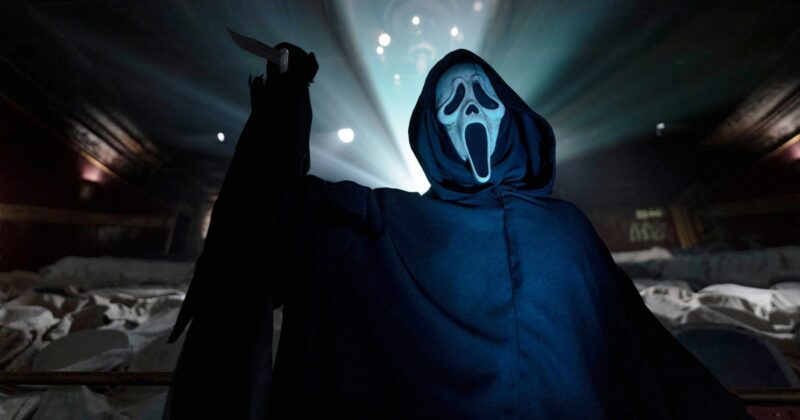
Few franchises in modern horror can claim the pop culture legacy of Scream. With every new chapter, expectations run high — but the arrival of Scream 7 has introduced more than the iconic mask: it has detonated a dramatic split between critics and audiences on Rotten Tomatoes, redefining debate in the slasher genre.
The Plot Unmasked: Old Fears, New Blood
This latest installment begins in a small town where Sidney Prescott (Neve Campbell) has attempted to leave her haunted past behind. But horror doesn’t retire quietly. With the rise of a sinister new Ghostface, Sidney is pulled back into the spotlight, this time fighting not only for survival but also for her daughter’s life. The presence of legacy characters like Gale Weathers (Courteney Cox) and fresh faces amplify the stakes, fusing nostalgia with high-stakes family drama.
The Score That Slashed Expectations
Historically, Rotten Tomatoes has shown Scream films are divisive, but never like this. Scream 7 holds a 77% audience approval — a sign fans still crave Ghostface’s return. In contrast, the critical score has plummeted to 37%: the single largest divide in franchise history. By comparison, even less celebrated entries like Scream 3 and Scream 4 had scores that hovered closer between critics and viewers.
- Scream: Audience 80% / Critics 78%
- Scream 2: Audience 59% / Critics 83%
- Scream 3: Audience 38% / Critics 45%
- Scream 4: Audience 57% / Critics 61%
- Scream 5: Audience 82% / Critics 76%
- Scream 6: Audience 90% / Critics 77%
- Scream 7: Audience 77% / Critics 37%
Professional reviewers have called the film ‘lazy’ and ‘dull’, with some claiming it’s exactly the kind of formulaic content the late Wes Craven would have resisted. For viewers, though, it’s a rollercoaster: ‘awesome’, ‘funny’, and often praised for a ‘good twist’.
Behind-the-Scenes Controversy and Its Impact
The split isn’t just about kills and thrills. Off-screen drama surrounding the firing of Melissa Barrera ignited a firestorm of debate. Barrera, who played Sam Carpenter (daughter of the original killer Billy Loomis), was let go after controversial posts regarding the Israel-Gaza conflict. The studio’s zero-tolerance stance resulted in her departure, triggering boycotts and passionate responses across social media. Jenna Ortega, who played Sam’s sister Tara, exited in solidarity, fracturing the core cast and fueling intense conversation among fans about the future of the series and representation in modern horror.
Industry Ripples from Scream’s Shockwaves
The fallout has become a talking point much bigger than any movie twist. Cast changes and fan protests have brought timely questions about accountability, creative direction, and navigating controversies in blockbuster franchises. The conversation surrounding Scream 7 has highlighted not just the appetite for horror but the challenging balance of artistry, business, and public responsibility in today’s media environment.
Scream’s Place in 2026 Horror: Why the Conversation Matters
As Scream 7 plays in theaters, it stands at a crossroads — celebrated and criticized in almost equal measure. For seasoned horror enthusiasts, its Rotten Tomatoes divide isn’t just a statistic: it’s a reflection of a franchise evolving under public scrutiny, highlighting the complex interplay between storytelling, fandom, and current events. Whether you’re cheering for Ghostface’s latest rampage or lamenting its tonal choices, this chapter ensures Scream’s legacy remains as unpredictable — and controversial — as ever.