The Evolution of Scream: An Iconic Slasher Through Decades
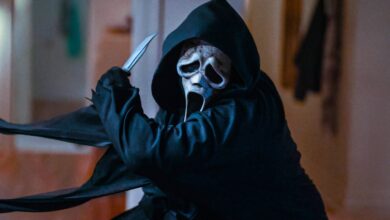
The Scream saga stands as a benchmark in modern horror, outlasting trends with a sly sense of self-awareness, clever commentary, and the relentless terror of Ghostface. Conceived by Wes Craven, the launchpad wasn’t just another slasher flick—it reinvented the rules, for both die-hard horror fans and cinephiles. With seven films in its arsenal, every installment brought something new to the table, from meta storytelling to societal critiques, each echoing what was thrilling, nerve-wracking, and relevant to its moment.
Scream 3: When Parody Overtook Suspense
By the third chapter, the series started leaning more into comedy and industry satire, moving away from sheer terror. The tone-shift wasn’t random—it responded to broader debates over film violence and youth culture of the era, opting for punchlines over pure panic. Sydney Prescott’s Hollywood detour reflects this, as the film stages deaths behind the scenes of a movie-inspired-within-the-movie, ‘Stab 3.’ While sharply self-referential, this idea had been explored more powerfully by Craven himself in New Nightmare. Despite a few sharp moments, many fans saw this as the moment the formula began to show some cracks.
Scream 7: Revisiting Old Shadows—But At What Cost?
The latest entry injects bold ideas into the Scream mythos. The digital age arrives in Scream with AI cleverly resurrecting fan-favorite characters, such as Matthew Lillard’s Stu Macher, blurring lines between nostalgia and innovation. Dramatically, Sidney and Gale return to the spotlight, but this pivot has divided critics and viewers: while voice-deep fakes and virtual callbacks dazzle, some feel it reverses the growth seen in the last entry. As online chatter hints at a possible next sequel, Scream shows it’s still far from running out of blood…
Scream VI: Passing the Torch Amidst Franchise Lore
This installment is notable for boldly progressing without Sidney Prescott, instead pushing Jenna Ortega’s Tara and Melissa Barrera’s Sam to center stage. Courteney Cox’s Gale Weathers shoulders the continuity for longtime fans. While new locations and creative set pieces refresh the formula, the film buckles slightly under the weight of its own mythos and extended runtime. A bit shorter and snappier, and the result would have been even sharper.
Scream 4: Craven’s Last Laugh at Legacy Sequels
Wes Craven’s final bow in the horror world was an incisive, ahead-of-its-time takedown of legacy sequels and fandom obsession. By returning to Woodsboro on the fifteenth anniversary of the original killings, Craven lampooned the then-burgeoning online influencer culture—a subject that’s only become more biting in the TikTok era. The mix of genre-savvy jabs and smart commentary made Scream 4 both a homage and a prediction of horror’s new frontier.
Scream (2022): A New Generation Carves Its Mark
The first film post-Craven showed that the soul of Scream could be rekindled. By pairing Neve Campbell’s Sidney with Jenna Ortega’s Tara, it managed to organically bridge two eras of horror. Each victim’s link to the original massacre was more than an Easter egg—it reinforced the meta legacy without letting the nostalgia overpower the thrills. Smartly attuned to contemporary social media dynamics, this film was proof that Scream could modernize its scares and satire for today.
Scream 2: Sequels and Slasher Logic Upscaled
Scream 2 confidently doubled down on everything that made the original work, even introducing the in-universe ‘Stab’ films as an incisive layer of meta commentary. Its larger cast, sprawling body count, and guessing-game finale set a template for ambitious sequels everywhere. Notably, this was one of the first Hollywood productions rocked by a full script leak online, prompting drastic rewrites and setting a new industry precedent for spoiler management. The movie’s self-aware gags around sequels ring even more true in today’s endlessly franchised landscape.
Scream: The Blueprint That Changed Horror
No ranking of the Scream movies would dare put anything above the film that started it all. With its iconic cold open—Drew Barrymore, a landline, a trivia game that spirals into terror—Craven didn’t just scare audiences, he also dissected every slasher trope in the playbook. Sharply written characters like Sidney, Gale, and Randy helped the whodunit plot sing, while the film’s humor added texture rather than distraction. Crucially, Scream’s DNA is everywhere in modern horror, from cabin-in-the-woods parodies to elevated thrillers, truly cementing its position as a permanent touchstone in pop culture lore.