Scrubs Revival Confronts Its Most Toxic Legacy – But With Honest Nostalgia

Scrubs Revival Reexamines Dr. Cox and the Evolution of TV’s Flawed Mentors
Scrubs is back at Sacred Heart Hospital, reuniting audiences with JD, Turk, Elliot, and some persistent habits from the show’s earliest days. This latest season doesn’t just serve nostalgia—it dares to take a hard look at the show’s most controversial traits, especially those embodied by the tough-love mentor, Dr. Cox.
Why Dr. Cox Remains an Icon—And a Lightning Rod
Few TV doctors are as memorable as Dr. Cox, with his razor-sharp wit, scathing sarcasm, and unconventional teaching style. For old fans, watching him skewer new interns is a return to form, but Scrubs knows times have changed. The series doesn’t sanitize Dr. Cox; instead, it puts his legacy under a contemporary microscope. The fourth episode takes a particularly bold step when JD calls out Dr. Cox’s longtime habit of undermining Elliot, pointing out—without fanfare or apology—that calling her ‘Barbie’ and habitually eroding her self-confidence wasn’t funny, it was damaging.
Nostalgia Without Blindness: The Power of Honest Storytelling
What makes this revival stand out among the wave of TV reboots is its refusal to either exaggerate wokeness or pretend the past didn’t happen. There’s no retroactive hand-wringing, no forced apologies. The show allows JD and Elliot to reflect on their mentor’s problematic legacy—not with anger, but with maturity. In a pivotal moment, JD reminds Elliot (and viewers) that recognizing harmful behavior in someone you admire doesn’t erase what you learned or the bond you shared. This layered approach echoes real-life mentorships, proving Scrubs’ comedic antics never excluded authentic growth and reflection.
How TV Has Changed: Sitcoms, Social Commentary, and Legacy
The medical sitcom’s handling of Dr. Cox’s toxicity isn’t part of a checklist. Instead, it demonstrates TV’s growing interest in nuance. Where revivals often feel engineered to correct the past, Scrubs plants its feet and says: these characters are flawed, just like us. The writing acknowledges social media’s unavoidable influence—like Elliot’s eye-rolling at her intern’s obsession, slyly updating the generational divide for a new era.
A Realistic Take on Change—And Why Fans Appreciate It
Viewers familiar with JD’s desperate craving for approval from Dr. Cox will note how much the character has grown. Scrubs doesn’t overwrite its own history; it reframes it with the wisdom of time. Rather than cancel the past, the series lets old jokes land alongside the new, sometimes uncomfortably, but always honestly. For fans and new viewers alike, this is an invitation to remember that idols often disappoint—but they can also inspire us to be better than they were. That’s the true heart of Sacred Heart Hospital and the enduring chemistry of JD and Turk.
Behind the Scenes: Casting, Streaming, and the Modern TV Landscape
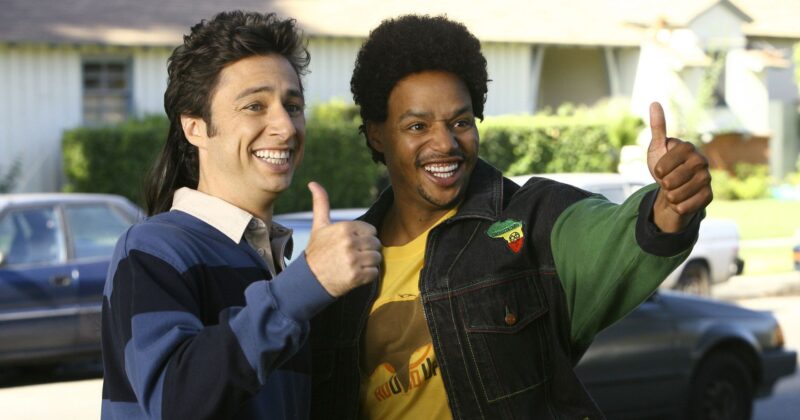
The familiar cast—Donald Faison, Zach Braff, and Sarah Chalke—return with fresh energy, lending authenticity and warmth to generational conversations about medicine and mentorship. For digital natives exploring where to stream the new Scrubs, it’s a reminder that the best stories are those that evolve, not erase, their origins. The show’s willingness to embrace the messiness of life, friendship, and growth is why Scrubs remains one of television’s sharpest comedies—then and now.