Shadow & Bone: The Unforgiving Reality for Romantasy Fans on Netflix

Shadow & Bone: A Love Letter to Fantasy Adaptations… That Wasn’t Enough
Finding a faithful and compelling fantasy series adaptation on streaming platforms is a rare treat in an era where so many adaptations struggle to capture the magic of their source material. Shadow & Bone, a Netflix original, did the unthinkable: it delivered both the grandeur and the heart of Leigh Bardugo’s beloved Grishaverse—and proved that exceptional adaptation isn’t always a ticket to longevity.
Why Shadow & Bone Was a Benchmark for Fantasy TV
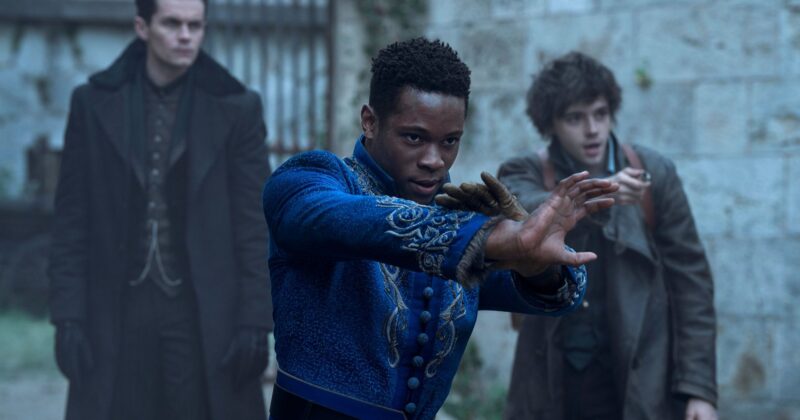
Many attempts have been made to translate the fantastical worlds of novels to the screen with varied success. Book-to-series projects are at the core of the fantasy genre’s growth, but fan expectations are sky-high. Shadow & Bone ticked every critical box: from high production values and spectacular VFX to a cast that felt handpicked from the pages themselves. Characters, including Alina Starkov and Malyen Oretsev, resonated with book devotees and new viewers alike thanks to outstanding performances and true-to-source characterization.
The show’s commitment was evident in its reception. Rotten Tomatoes scored it at 83% with critics and 84% with audiences, while individual seasons kept the bar high—an impressive feat in the fantasy TV landscape. It wasn’t just a rehash of the books; small but meaningful enhancements deepened the world-building while maintaining the soul of Bardugo’s narrative.
The Painful Exit: Why Excellence Wasn’t Enough
Despite near-unanimous praise, Netflix canceled Shadow & Bone after its second season. The move left a wound in the hearts of romantasy fans who had finally seen a story told right. Industry factors played a significant part: Hollywood labor strikes rattled production schedules, forcing the platform to make tough decisions about which shows to continue. Fantasy TV, with its demanding visual effects and expansive casts, requires both critical acclaim and eye-popping viewership to survive in today’s streaming economy. Shadow & Bone, though beloved, couldn’t clear that second, higher hurdle.
This scenario echoes with fans of The Witcher—another show that strayed from its book roots, yet continues due to its wide appeal. With Shadow & Bone, we see an adaptation appreciated for its accuracy and quality, yet unable to withstand the ruthless mathematics of streaming business models.
The Romantasy Dilemma: When Book Loyalty Is Not Enough
Even perfect faithfulness to the source isn’t a guarantee of survival in fantasy TV. This genre sits at a crossroads: niche enough to risk cancellation if viewership dips, but also one of the most expensive to produce, due to high demands for world-building and effects. Streaming services look for series that go beyond serving the core fanbase and capture global interest—a tall order for any adaptation, no matter how well crafted.
Ultimately, Shadow & Bone’s fate is a stark message to romantasy fans and creators: faithful adaptations can still be vulnerable if they don’t meet the major streaming platforms’ ever-rising thresholds for attention and subscriber draw. The heartbreak lingers, not just for the Grishaverse, but for future book-based projects trying to conjure real magic on screen.