The TV Phenomenon That Rewired Fandom Culture
Few television shows can claim to have revolutionized fandom the way Sherlock did. This British detective series, crafted by Mark Gatiss and Steven Moffat, shattered traditional boundaries by transporting the iconic Sherlock Holmes and his world into contemporary London. With smartphones buzzing alongside the classic deductive genius, and cases reflecting the digital era’s moral questions, Sherlock wasn’t just another adaptation of Sir Arthur Conan Doyle’s legendary character—it was a seismic event for both the genre and fan engagement worldwide.
From Premier to Viral: The Emergence of the Sherlockian Fandom
Upon its debut, Sherlock swiftly garnered overwhelming critical and public praise. The show’s cinematic visual storytelling, razor-sharp writing, and electric chemistry between Benedict Cumberbatch’s Holmes and Martin Freeman’s Watson became instant fan magnets. Crucially, its urban update made Holmes irresistibly accessible to viewers who perhaps had never engaged with Victorian mysteries before, while longtime fans delighted in the inventive nods to canonical tales.
The result was the swift birth of a passionate community—the Sherlockians. These fans didn’t just watch the show; they lived it across every major social platform, finding new ways to connect, analyze, and create around this digital Holmes.
Tumblr: The Beating Heart of Modern Fandom
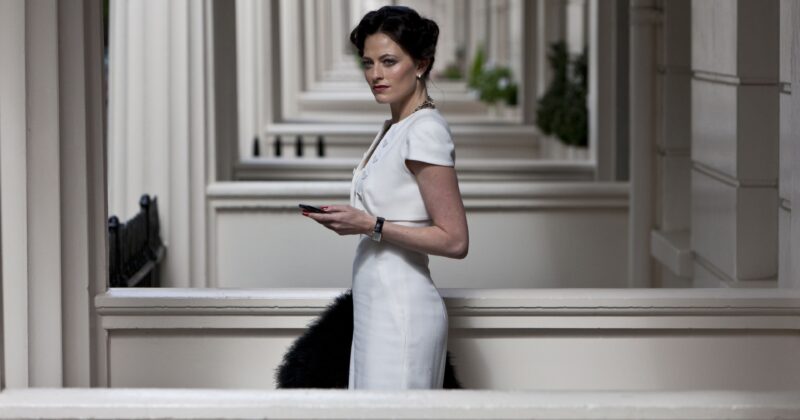
If one place embodied the explosion of this fandom, it was Tumblr. Memes, GIFs, fan fiction, and meta-analyses flourished. The witty campaign ‘I believe in Sherlock Holmes’ rallied fans after Holmes’ apparent death, while ‘I Am Sherlocked’ (the iconic password from Irene Adler’s phone) became a catchphrase that transcended the show, branding a generational wave of digital fandom.
Live-blogging episodes, dissecting every facial twitch, and sharing art across continents, Sherlock’s fans set new standards for online engagement. They didn’t just consume the show—they amplified it, turning each episode drop into a real-time global happening.
Johnlock: When Shipping Became a Worldwide Movement
A unique chapter in this saga is the ‘Johnlock’ phenomenon. Fans’ feverish desire for a Holmes-Watson romance generated a universe of transformative works and speculative theories. Despite official staff denying the ship’s canonicity, the debate around queerbaiting and ‘Johnlock’ conspiracies—spanning secret episodes and buried hints—demonstrated the sheer power and persistence of the digital community. The emotional stakes were real, as the introduction of Mary Morstan in later seasons sparked intense reactions and reshaped fan dynamics online.
Global Creativity and the Evolution of Fandom Dynamics
Sherlockians didn’t just build a community—they sparked a worldwide creative force. The massive volume of fan art, fiction, and theory threads on social channels didn’t just keep the show relevant—it defined the emerging digital landscape for all future fandoms. This contagious participatory culture has since become the blueprint: live reactions on social media, digital campaigns, and viral catchphrases are now the norm for every major media property, owing a debt to the Sherlockians’ pioneering activity.
When Fans Shape the Canon—And Push Back
Perhaps the most telling sign of Sherlock’s fandom power was how it looped back and influenced the series itself. When Holmes’ dramatic leap in ‘The Reichenbach Fall’ left viewers questioning his fate, fans responded with intricate theories dissecting every possible clue about his survival. Showrunners acknowledged this tidal wave of speculation by directly referencing fan theories in the script—a move that initially excited the community, but ultimately divided it as some felt the show was poking fun at its own audience rather than honoring their commitment.
This interplay between creators and fans, from reverence to friction, underscores just how much the line between storyteller and audience has blurred in the streaming era. Sherlock’s massive influence can still be traced in the interconnected, real-time communities surrounding today’s most buzzed-about series, movies, apps, or games.
Sherlock’s Lasting Legacy in a Hyper-Connected World
The reverberations of Sherlock’s fandom experiment continue to echo. The intimacy, passion, and creativity unlocked by this dedicated, tech-savvy audience redefined how we interact with stories, setting new industry standards for fan engagement. Today’s media landscape—whether in television, gaming, or comics—bears the indelible stamp of the Sherlockian movement from its enthusiastic rallying cries to its commitment to collaborative world-building. The game, it seems, is always on.