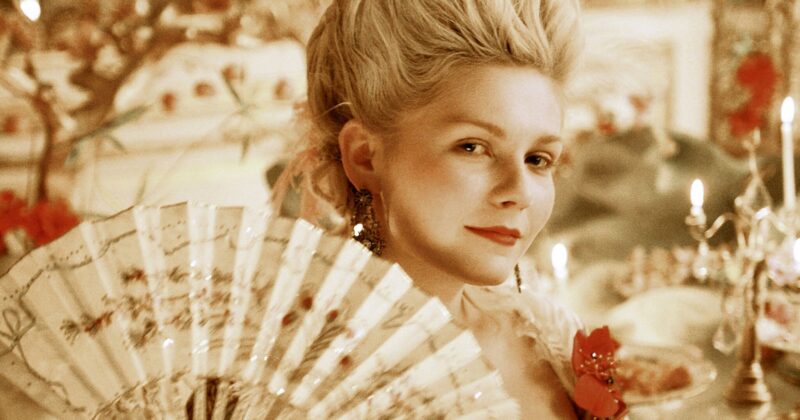
Sofia Coppola and Kirsten Dunst: The End of an Iconic Creative Partnership?

Sofia Coppola and Kirsten Dunst: An Era Defined by Collaboration
Few director-actor partnerships have so consistently delivered visually striking, emotionally resonant films as Sofia Coppola and Kirsten Dunst. Over decades, their joint projects carved a path for nuanced female storytelling in cinema at a time when the industry rarely prioritized such voices. From breakout roles to daring period pieces, this creative alliance set a standard that became influential for generations of filmmakers and audiences alike.
The Unmade Fifth Movie: A Hope Cut Short
Fans have long speculated about the elusive fifth collaboration between Coppola and Dunst, especially after whispers of a secretive project reached the public. In a recent interview, Coppola finally broke her silence, revealing the project’s fate: it has been officially shelved. The director cited the complexities of telling stories that resonate emotionally in troubled times, expressing her reluctance to create something ‘too sad’ or, conversely, ‘shallow.’ This introspective decision sheds light on the delicate balance directors now must navigate when addressing modern audiences, who expect both authenticity and hope in cinema.
A Legacy of Cinematic Transformation
Coppola’s and Dunst’s mutual evolution is a journey written into each film they made together. Starting with The Virgin Suicides, Dunst’s performance quickly cemented her status as a powerhouse talent, while Coppola’s direction announced a new voice in indie cinema. Their partnership continued through the opulent, divisive Marie Antoinette, the satirical crime of The Bling Ring, and the atmospheric Southern gothic of The Beguiled. Each project reflected the shifting tides of cultural conversation, from teen alienation and celebrity obsession to feminist reinterpretations of classic literature.
Dunst: More Than a Muse, a Force of Her Own
While Dunst is often associated with unforgettable roles in pop-culture milestones like Spider-Man and Interview with the Vampire, it is with Coppola that she has most profoundly explored wide emotional ranges. Their collaborations have become cult staples, studied for both their technical craft and subversive feminist edge.
The Director’s New Directions: Documentaries & Pop Icons
Sofia Coppola’s recent work signals a pivot toward documentary filmmaking, as seen in her profile of Marc Jacobs. Her curiosity isn’t confined to fashion; she’s admitted to being ‘kind of obsessed’ with Britney Spears and has even expressed interest in telling the pop star’s turbulent story—pending current biopic plans. Such moves exemplify how boundary-pushing filmmakers are adapting to the demands of streaming platforms and the appetite for real-life narratives, keeping audiences engaged beyond traditional fiction.
Women at the Center: Industry Realities Still Shifting
Coppola has spoken candidly about the challenges of supporting female-led stories in what has long been a male-centric entertainment industry. Reflecting on the mixed reception to Marie Antoinette, she shared how the assumption that movies must center male protagonists to succeed still influences film development and marketing strategies. However, as interest grows in director-actor collaborations that highlight women’s experiences, both Coppola and Dunst remain important figures in the ongoing transformation of contemporary cinema.
Looking Ahead: The Possibility of Future Reunions
Although this fifth project will not come to fruition, the impact of Coppola and Dunst’s collaborations remains indelibly imprinted on the film landscape. Both continue to inspire new generations of creatives—and the appetite for their brand of storytelling shows no sign of fading. Whether in narrative or documentary, on screen or behind the camera, their influence endures and evolves, inviting ongoing speculation about what might come next from two of modern cinema’s most respected voices.