Star Trek Faces an Unprecedented Pause: What Comes Next for the Franchise?

The End of a Transformative Star Trek Era
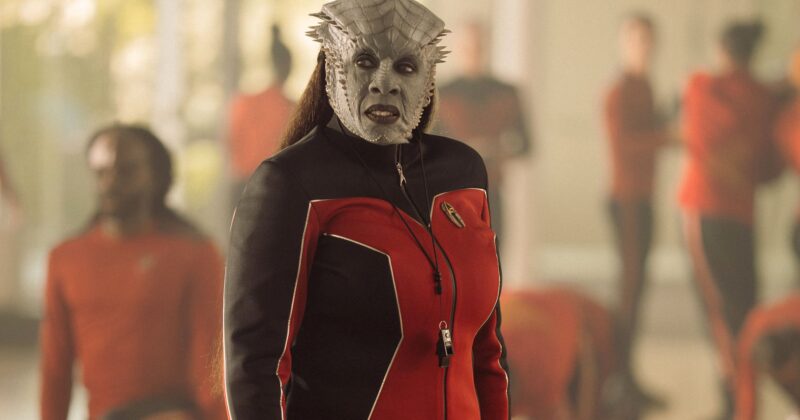
Never before has the Star Trek universe experienced an impending silence quite like the one looming over its current era. With just a handful of episodes left for ‘Starfleet Academy’ and the anticipated final chapters of ‘Strange New Worlds,’ fans are witnessing the closure of an intensely prolific period that boldly redefined the franchise. Since relaunching in 2017, Star Trek has delivered seven major shows, fundamentally reshaping both its tone and its impact on long-time followers and a new generation of enthusiasts.
A Franchise Reshaped by the Second Golden Age of TV
To understand the sharp divide among fans, it’s essential to look at the seismic shifts in television over the past two decades. Prestige dramas like Mad Men, Game of Thrones, and Breaking Bad reimagined what TV could be, pivoting to morally ambiguous antiheroes and intricate serialized storytelling. Star Trek, traditionally celebrated for its utopian vision and optimistic take on humanity’s future, found itself swept up in this new creative current. The result? Series like Discovery and Picard dove into darker territory, challenging the once straightforward morality that defined their predecessors.
The Controversy: Modernity Versus Optimism
While some criticisms of the modern era unfairly target its progressive casting and evolving representation, many legitimate debates revolve around its radical tonal shift. Earlier series, including The Original Series and The Next Generation, thrived on episodic adventures and a lighthearted, aspirational spirit. Even when conflicts turned fierce, the underlying message remained hopeful—a blueprint for a united Federation where contemporary struggles were outgrown.
Star Trek’s Battle with Its Own Legacy
As streaming platforms encouraged binge-watching, serialized drama became the industry’s gold standard. Discovery debuted as a gritty reinvention, while Picard ventured even further into themes of trauma and loss. On the lighter end, Lower Decks offered a satirical, animated take, but left some yearning for the earnestness of classic Star Trek. Fascinatingly, it was outside-the-box entries like Star Trek: Prodigy—a series targeted at younger audiences—that recaptured the franchise’s classic sense of adventure and optimism, demonstrating there’s hunger for both storytelling extremes.
What Happens When the Stars Go Quiet?
With few remaining episodes in the pipeline and no active shows or films officially in development, viewers now face an unknown pause in Star Trek history. The recent reception of TV movies such as Star Trek: Section 31—despite a powerhouse performance from Michelle Yeoh—reinforced the lesson that Star Trek’s DNA isn’t easily compatible with the antihero and grit-centric approach popularized by other major franchises like Star Wars or Marvel. The franchise’s occasional return to its roots in titles like Starfleet Academy resonated with critics, but arrived too late to reverse course on the era’s direction.
Future Horizons: Bridging Tone and Storytelling
As the modern chapter draws to a close, the future of Star Trek depends on its willingness to reconcile the optimism of its heritage with the nuanced complexity of contemporary TV. Any new series has a unique opportunity: to synthesize the lessons of serialized drama without sacrificing the core sensibility that turned Gene Roddenberry’s creation into a pop culture institution. Expect future creative teams to mine the lore and narrative groundwork laid by ‘Starfleet Academy’ and ‘Strange New Worlds,’ potentially restoring the balance between ambitious storytelling and the aspirational dreams that once defined the stars.