Star Trek Movies: Exploring the Final Frontier in Film
Since its leap from the small screen to cinemas, Star Trek has evolved into one of science fiction’s most iconic franchises. Generations of fans have followed the voyages of the USS Enterprise as it transformed from Gene Roddenberry’s optimistic vision to a modern blockbuster mainstay. The film series doesn’t just entertain—it questions, innovates, and redefines what a spacefaring saga can achieve.
The Original Crew’s Cinematic Era
After the original television series ended, growing fan passion reignited interest, culminating in the first movie adventure. Star Trek: The Motion Picture brought back Kirk, Spock, and McCoy to the big screen, immersing audiences in a visually ambitious narrative about a cosmic mystery threatening Earth. While renowned for its cutting-edge effects, its philosophical pacing divided viewers and critics alike, demonstrating Trek’s willingness to transcend typical blockbuster formulas.
With The Wrath of Khan, the tone shifted: this time, the stakes were personal. Introducing Khan Noonien Singh as a formidable nemesis, the film delivered high-stakes drama, action, and profound character growth, particularly for Kirk and Spock. Its emotional impact and strategic storytelling set a benchmark that subsequent sequels would chase for decades.
Following this high, The Search for Spock delivered a solid dose of 1980s sci-fi spectacle and unique villainy. However, its emotional center never quite matched the power of its predecessor. In contrast, The Voyage Home flipped expectations, injecting a comedic twist. Watching veteran Starfleet officers try to blend into 1980s Earth—down to grappling with then-modern technology—highlighted both the franchise’s flexibility and its persistent social conscience, inserting a memorable environmental message beneath the humor.
Shatner’s directional debut, The Final Frontier, saw the crew hijacked in a quest for divine wisdom, but tonal inconsistencies and misfires in drama led it to stumble with both fans and critics. However, the run closed strong with The Undiscovered Country, a Cold War-tinged thriller where political intrigue and moral ambiguity gave classic characters a sophisticated send-off. The film’s reflective narrative mirrored real-world tensions, making it a sleeper favorite for aficionados.
A New Generation Takes the Helm
With Star Trek: The Next Generation taking over, Generations tried to bridge the legacy between Kirk and Picard through time travel. While it offered a tantalizing premise, sluggish pacing left some disappointed—though the passing of the torch was symbolic for the franchise’s evolution.
The subsequent films allowed Jean-Luc Picard and his crew to further carve their names into sci-fi history. First Contact earned praise for its gripping confrontation with the Borg and its polished mix of action and philosophy—a high point for the Next Generation era. However, the tonal shifts of Insurrection and the divisive Nemesis signaled turbulence, prompting a rethink of Star Trek’s cinematic future as the golden TV era faded.
The Reboot: Boldly Going Into a New Reality
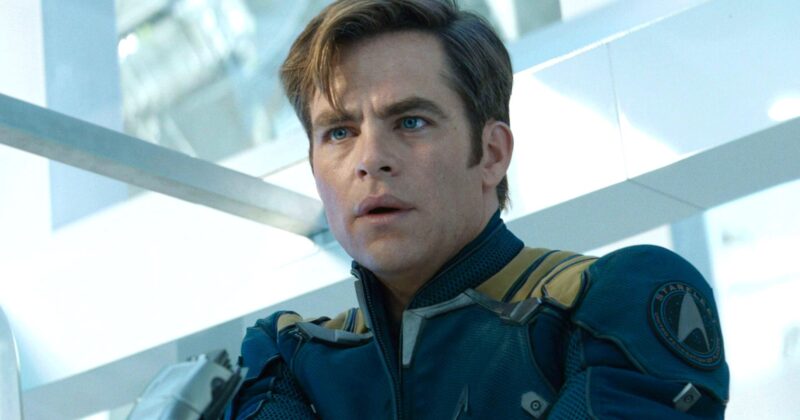
In a daring revival, Star Trek was rebooted with a modern sheen and a new cast stepping into legendary roles. Moving into an alternate timeline, this trilogy reinvigorated fan interest while blowing open the doors for new visual effects, storytelling rhythms, and a youthful energy—without leaving behind the franchise’s enduring questions of identity, morality, and exploration.
The Future: Section 31 and Beyond
As of 2026, Star Trek’s cinematic future is poised for new frontiers with projects like Section 31 promising to explore darker, more secretive corners of the universe. This next wave aims to continue the legacy of innovation, blending mystery, action, and the enduring Star Trek ethos that has attracted so many generations to the stars.
Trek Trivia Worth Knowing
- Captain Kirk’s original Enterprise carries the registry NCC-1701, one of the most famous ship numbers in pop culture.
- Mr. Spock, with his logical mind and iconic salute, stands as one of science fiction’s greatest symbols—his character represents the ongoing struggle between reason and emotion.
The cinematic journey of Star Trek is more than a timeline—it’s a map of how science fiction reflects, challenges, and entertains across generations. With the universe still expanding, both on screen and in the creative minds of its fans, the adventure is far from over.