Star Trek Series Ranked by Episode Count: Exploring TV’s Ultimate Sci-Fi Franchise

Star Trek’s Television Legacy: A Journey Across the Stars
For more than six decades, Star Trek has transformed television, spreading the vision of Gene Roddenberry’s optimistic future to viewers across generations. From the original USS Enterprise navigating uncharted space to newer crews boldly seeking out new worlds, each series has contributed its own unique flavor and legacy to a cultural phenomenon that shows no sign of disappearing from the pop cosmos.
The Original Launchpad: Unfulfilled Promise to Franchise Powerhouse
The very first Star Trek series, fondly known as The Original Series, ignited in the late 1960s but surprisingly bowed out after just three seasons. Fan fervor refused to let it vanish—the letters, campaigns, and grassroots conferences kept Trek alive just long enough for the universe to explode onto the silver screen. The success of these films didn’t just revive the idea; it paved the way for a new era of television dominance that ran, unbroken, through the ’80s and ’90s.
Star Trek’s TV Renaissance: More Than A Show Per Year
From the late 1980s, there was rarely a season without a Star Trek series in production. Star Trek: The Next Generation (TNG) soared with its 178 episodes, introducing Jean-Luc Picard, Data, and the now-mandatory holodeck scenes into the lore. Its success led to the ambitious and politically rich Deep Space Nine (DS9), which boldly explored serialized storytelling with its own 176 episodes.
Voyager, following Captain Janeway and her crew lost in the Delta Quadrant, clocked an impressive run as well, standing alongside TNG and DS9 with high episode counts that allowed deep dives into Starfleet ethics, alien diplomacy, and chaotic run-ins with the Borg that fans still debate.
Expanding Horizons: Spin-Offs, Experiments, and Short Treks
Not all Star Trek series were lengthy marathons. Enterprise offered a look at Starfleet’s earliest missions—pre-Kirk and Spock—while shows like Short Treks provided bite-sized, experimental tales in the Trek universe. These shorts are ideal for quick, whimsical glimpses but remained intentionally brief with only a handful of episodes each.
The Modern Era: Streaming Reboots and New Audiences
After a brief hiatus, Star Trek was reborn with the streaming revolution. Discovery launched in the late 2010s, taking narrative risks and exploring continuity-altering plots. Star Trek: Picard brought Patrick Stewart back to command, melding nostalgia with new mystery for both classic fans and first-time viewers. Animation also found its way, with Lower Decks injecting sharp comedy and meta-commentary about life below the bridge.
Where the Numbers Stand: Which Series Has the Most Episodes?
Across more than a dozen series and nearly a thousand episodes, the episode counts vary drastically. The titans like The Next Generation and Deep Space Nine reached the upper echelon with nearly 200 episodes each—almost unmatched in the science fiction sphere. In contrast, anthology projects like Short Treks or more recent, tightly plotted miniseries deliver more compact but memorable runs.
Trivia, Lore, and Pop Culture Resonance
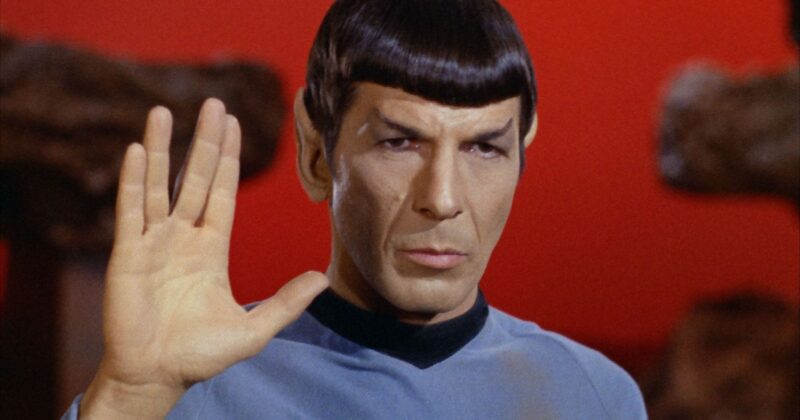
Each Star Trek series offers its own parade of iconic moments. Who can forget the first utterance of the Prime Directive, or Spock’s logical dilemmas and unforgettable salute, ‘Live long and prosper’? The lore only deepened with technology like warp drive, the philosophical challenges of the Kobayashi Maru, or the chilling threat of the Borg declaring, ‘Resistance is futile’. Actors like Patrick Stewart and Leonard Nimoy became synonymous with their roles, bringing gravitas to sci-fi and pushing the genre’s boundaries.
The Future Frontier
With the streaming era delivering fresh adventures and new characters, the Star Trek saga continues to evolve, even as speculation about its future occasionally swirls. What remains undisputed is the scale of its universe and the nearly unmatched episode catalog that invites new and old fans into its ongoing cosmic adventure.