The Doctor’s Journey: From Voyager’s Heartbreak to Starfleet Academy’s Redemption
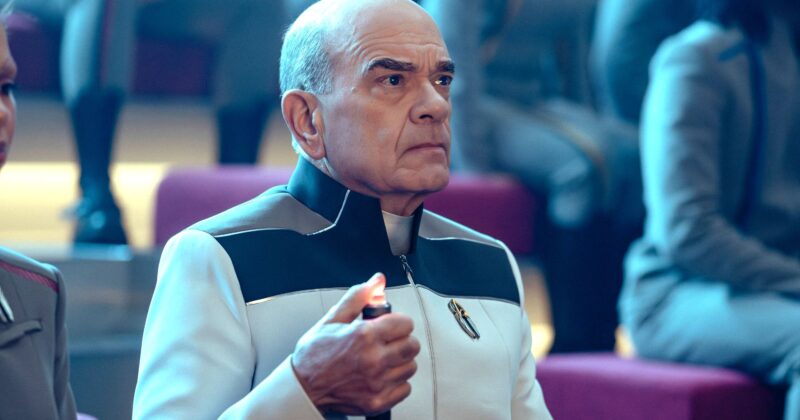
When Star Trek: Starfleet Academy arrived, expectations soared for how the new generation would honor the legacy of beloved classics like Voyager. What few expected was the series would provide a deeply personal continuation — and emotional healing — for one of Trek’s most enduring characters: The Doctor, portrayed by Robert Picardo.
A Trauma That Never Faded
Fans of Star Trek: Voyager will remember the haunting moment in ‘Real Life,’ where The Doctor, having designed a holographic family, loses his «daughter,» Belle, to a tragic accident he cannot undo. Unlike organic beings, The Doctor’s holographic mind is unburdened by time; for him, loss is ever-present. For decades (and even centuries, in canon), the trauma simmered unresolved, his pain untouched by time.
The Emergence of SAM: A New Family
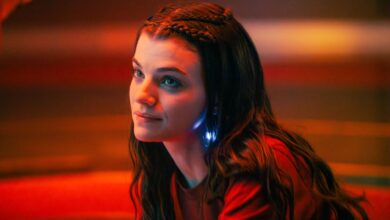
In episode 8 of Starfleet Academy, the narrative takes a bold step. The series introduces Series Acclimation Mil (SAM), played by Kerrice Brooks — a young, vibrant holographic cadet, searching for her place within the academy and within holographic existence itself. Uniquely, SAM and The Doctor share a status as the only holographic beings among their peers, naturally drawing their stories together despite The Doctor’s initial coldness and self-imposed distance.
Behind the Scenes: Storytelling With Emotional Stakes
Showrunner Alex Kurtzman and co-creator Gaia Violo designed The Doctor’s arc with meticulous attention to his legacy. As Violo explained, the writing room returned again and again to Voyager’s ‘Real Life,’ recognizing its emotional weight within the franchise. For them, giving The Doctor a second chance at fatherhood wasn’t just fan service — it was a natural evolution, granting long-awaited narrative closure and exploring the potential for enduring, non-biological family in a world where even memories don’t fade.
A Performance with Depth
Robert Picardo’s return breathed new layers into his role. His excitement was clear — the chance to expand The Doctor, not as a mere mentor, but as a true parent facing the shadows of his past, is something that sci-fi often promises but rarely delivers. Picardo’s nuanced portrayal of aging emotional trauma resonated with both lifelong fans and those new to the Star Trek universe on Paramount+.
The Doctor and SAM: Redefining Legacy and Family
What does it mean for an immortal being to risk love again? The Doctor feared attachment because, as he learned on Voyager, organic friends and family are inevitably lost to time. But with SAM, a fellow hologram, the possibility of an everlasting familial bond emerges — they can support each other for as long as their programs run, potentially outlasting all other forms of connection at Starfleet Academy.
Starfleet Academy As a New Frontier
Set against the backdrop of an academy reopening its doors after a hundred years, Star Trek: Starfleet Academy is more than a coming-of-age drama; it’s about facing loss, forging identity, and embracing second chances, not only for its cadets but for legacy characters who still have lessons to learn and wounds to heal. By finally giving The Doctor a father-daughter arc that is allowed to evolve, the series fulfills a lingering need within Star Trek lore: closure that feels earned and new directions for characters we thought we knew — and loved — for good.