Star Trek: Starfleet Academy – The Saga’s Lost Cinematic Dream Realized for a New Generation

Star Trek: Starfleet Academy – The Series That Almost Became a Movie
The universe of Star Trek has always been about charting bold frontiers, but few fans realize that the franchise’s latest series, Star Trek: Starfleet Academy, was born from an abandoned cinematic vision. Long before streaming rivaled the box office and before young-adult dramas shaped entertainment culture, Gene Roddenberry dreamed of Starfleet Academy as a blockbuster film—an origin story for his most iconic heroes.
Gene Roddenberry’s Forgotten Ambition
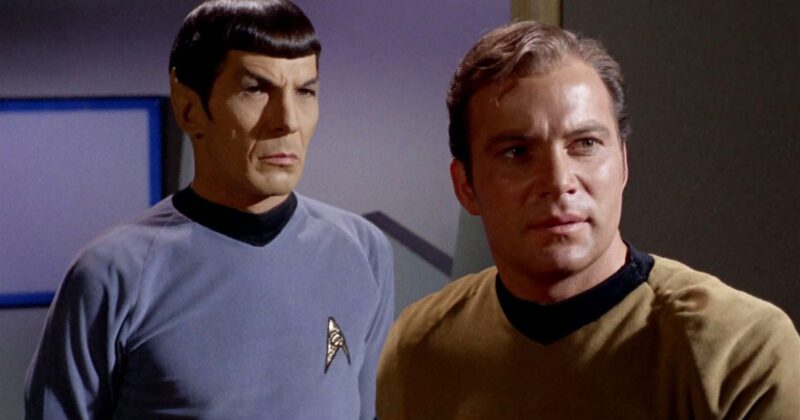
In the late 1960s, as the original Star Trek series navigated the challenges of its final season, Roddenberry’s ambitions reached far beyond television. At a science fiction convention, he unveiled a radical idea: a feature film exploring the early days of James T. Kirk, Spock, and Dr. Leonard McCoy at Starfleet Academy. The cinematic Star Trek dream, however, would take several detours before materializing on screen.
Changing Course: From Film to Streaming
It would be decades before Starfleet Academy emerged, and when it did, it wasn’t as a film but as a streaming series uniquely positioned within the evolving landscape of science fiction. Helmed by executive producers Alex Kurtzman and Noga Landau, Star Trek: Starfleet Academy distinguishes itself as the franchise’s first bona fide young adult-centered saga. Set centuries after Captain Kirk’s legendary missions, the series pivots from familiar faces to a new generation of cadets, led by Academy Award winner Holly Hunter and an ensemble of rising stars.
Why the Academy Saga Took So Long
The journey from Roddenberry’s 1960s pitch to today’s serialized format is a testament to Star Trek’s complex legacy. The original vision focused on recasting beloved characters—an unthinkable prospect for decades, given the cultural shadow cast by William Shatner, Leonard Nimoy, and their colleagues. The idea of Starfleet Academy featuring teens rather than seasoned officers also met resistance, seen as a risky twist on what made Star Trek resonate.
It wasn’t until J.J. Abrams’ Star Trek reboot introduced a charismatic young cast that the possibility of new actors filling the franchise’s iconic shoes was validated for mainstream audiences. Still, that cinematic venture only briefly explored Academy life before launching its young heroes on an epic adventure, leaving the deeper stories of Starfleet cadets unexplored—until now.
The Modern Academy: Ambitions and Obstacles
Star Trek: Starfleet Academy arrives at a moment when the appetite for premium sci-fi programming is stronger than ever. Its narrative is grounded not only in the rich history of its universe but in the timeliness of its themes—youthful ambition, institutional legacy, and generational change. The show’s technical achievements, celebrated cast, and commitment to storytelling have drawn both applause and criticism. Some traditionalists remain skeptical, hesitant to embrace a version of Star Trek driven by younger perspectives rather than the elite officers in Command Gold and Science Blue.
This resistance isn’t new. For years, plans to spotlight the formative Academy years of Kirk, Spock, and McCoy were sidelined in favor of safer bets—until streaming platforms, targeting younger demographics and hungry for franchise expansion, finally took the risk.
Legacy and the Long Road to Academy
As Star Trek celebrates milestone anniversaries and continues to influence science fiction and pop culture, the debut of Starfleet Academy stands out as a realization of Roddenberry’s decades-old vision—albeit transformed for today’s audiences. While the show ends after its second season, its existence is a testament to the enduring nature of creative ideas in the Star Trek universe. With a high-caliber creative team and a cast bred for excellence, the series signals another daring leap for one of entertainment’s most storied sci-fi franchises.
The lingering question is not whether Starfleet Academy was worth the wait, but how Roddenberry’s original spark for a coming-of-age Star Trek film finally found fertile ground—at a moment when science fiction is more dynamic and culturally influential than ever.