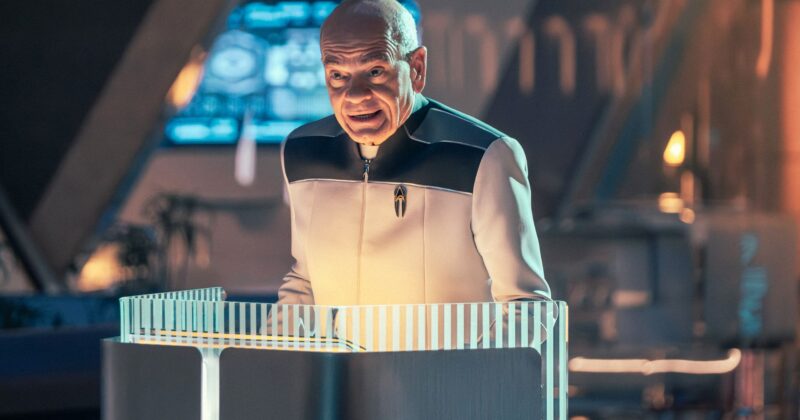
Star Trek Starfleet Academy: The Unseen Voyager Sequel Robert Picardo Dreamed Of
The Lost Opportunity: Robert Picardo’s Bold Star Trek Sequel Pitch
Star Trek has always been about exploring the unexpected, both in deep space and in the complexity of its characters. A recently revealed behind-the-scenes story brings this spirit to life: Robert Picardo, beloved for his role as The Doctor (EMH) from Star Trek: Voyager, unveiled a sequel idea that almost graced the scripts of Star Trek: Starfleet Academy before its cancellation shut the doors on season 3. For Star Trek enthusiasts, this lost pitch would have seen The Doctor face his own holographic legacy—a confrontation loaded with emotional resonance and franchise history.
Starfleet Academy: A Playground for Trek’s Deep History
A major draw for Star Trek: Starfleet Academy was its willingness to honor Trek’s rich, decades-long mythology. Robert Picardo stepped back into live-action as The Doctor, showing his character aged due to a self-initiated program—proving that even holograms can’t escape time’s effects in the fertile storytelling universe of Star Trek. His storyline expanded further, becoming the «father» of a new hologram, Series Acclimation Mil (SAM), played by Kerrice Brooks. The Academy series leaned into these deep cuts, with callbacks to Voyager and layered nods to classic episodes, including jokes about Talaxian fruit flies and subtle references to The Doctor’s bittersweet family arcs.
The Unmade Episode: Doctor Meets Backup—A Holographic Family Drama
Picardo’s pitch for season 3 wasn’t just a technical showcase (though digital de-aging would have allowed him to act opposite his younger self). It was a true character study rooted in Star Trek’s best tradition of blending sci-fi with emotional depth. The episode would pit the «original» Doctor, having accumulated centuries of wisdom, against his «backup»—the Emergency Medical Hologram seen in the Voyager classic ‘Living Witness.’ Both began as identical programs, but vastly different experiences across centuries would create psychological rifts between the two. Picture a family drama unfolding via cutting-edge VFX, where a younger, ambitious hologram snarkily berates his older, self-actualized version for choosing to age or modify himself at all.
This dynamic was more than a novelty or a callback. Picardo intended to spotlight unresolved «daddy issues» with their creator, Dr. Lewis Zimmerman—the very kind of character conflict that anchored some of Voyager’s most powerful episodes. This story would fuse generational trauma, therapy, and the unique Trek question: what does it mean for artificial intelligence to grow, heal, and confront its makers? For Picardo, it was a chance to both revisit and deepen his celebrated «Life Line» story, where The Doctor attempts to save his ailing creator amid fraught emotions and rejection.
Why This Episode Would Have Mattered for Star Trek
The value of the unmade episode goes far beyond nostalgia. Integrating digital de-aging and dual performances, it could have pushed boundaries in sci-fi storytelling, offering a blend of technology and humanity rarely seen elsewhere. More importantly, a story of two holographic «brothers»—twins separated by time and experience—would resonate with many Star Trek fans wrestling with legacy and change both in-universe and in real life. The proposed therapy motif also echoes the way modern Trek stories have moved to confront trauma and growth head-on, rather than tucking them behind episodic resets.
The Reality of Starfleet Academy’s Cancellation
Despite the creative enthusiasm behind Star Trek: Starfleet Academy and Picardo’s own pitches, the series struggled to capture and expand its audience to the level required for continuing on Paramount+. The cast and crew received official word about the cancellation while season 2 was still in post-production. Picardo, ever candid, attributes the ending partly to the show’s progressive themes and a shifting cultural and media landscape that now tests even established franchises like Star Trek. With Strange New Worlds also concluding after its upcoming fifth season, the franchise appears to be entering a new quiet period.
What remains is the invigorating «what if»—the possibility of seeing The Doctor face his own myth, question his programmatic lineage, and remind viewers of Star Trek’s gifts: complex characters, social exploration, and unending curiosity about what it means to evolve. For now, fans can eagerly await Starfleet Academy season 2 and celebrate that, sometimes, even canceled dreams enrich the universe as much as those that make it onscreen.