Star Trek’s Cinematic Comeback: Will the Franchise Finally Break Its Decade-Long Silence?

A Decade of Unkept Promises for Star Trek Cinema
Star Trek has always thrived on exploring the unknown, but its cinematic future has become an enigma even the crew of the Enterprise would struggle to decrypt. For years, fans have been hovering in a warp bubble of anticipation, fueled by rumors, teases, and studio promises that ultimately led nowhere. The most recent news from Paramount Skydance at CinemaCon may sound like a new dawn, as the studio officially announced a new Star Trek movie is in development, yet for seasoned Trekkies, it feels like déjà vu.
The Unfulfilled Journey After Star Trek Beyond
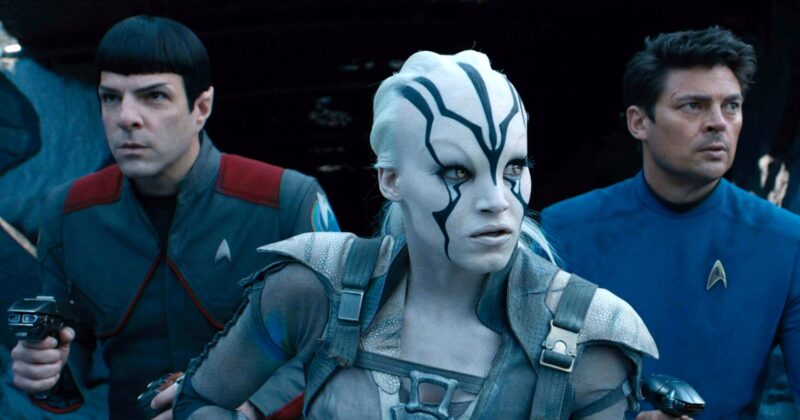
Since the theatrical run of Star Trek Beyond, which failed to match the box office performance of its reboot predecessors, the franchise’s big-screen adventures have remained stalled. After Beyond, the anticipated fourth film with Chris Pine’s charismatic Captain Kirk and Zachary Quinto’s soulful Spock repeatedly found itself lost in creative disagreements and revolving doors of attached directors—names like S.J. Clarkson, Matt Shakman, and even Quentin Tarantino were linked and then vanished almost as quickly.
Paramount’s repeated announcements have kept the hope alive, particularly for the Kelvin Timeline cast. However, that optimism met a hard reality when the latest regime officially cancelled plans for Star Trek 4, leaving fans with only empty space where their favorite crew once boldly went.
Paramount Skydance’s Big Reveal: Is It Different This Time?
During CinemaCon, Paramount Skydance teased a future lineup bursting with blockbusters—think Top Gun 3, fresh Transformers adventures, G.I. Joe missions, and, significantly, a new Star Trek feature. Yet, the crucial details that fans crave—story, cast, timeline—remain classified. There were even unaddressed rumors swirling about filmmakers John Francis Daley and Jonathan Goldstein (of Dungeons & Dragons: Honor Among Thieves) developing a project disconnected from existing Star Trek canon, but nothing official was confirmed.
This lack of concrete updates isn’t new. Just two years ago, a Star Trek Origin movie from Black Mirror alum Toby Haynes was announced and then quickly jettisoned. With each new studio directive, ambiguity lingers—Is there a new architect for Star Trek’s cinematic future? Even names like Simon Kinberg have been floated as potential visionaries, but clarity remains elusive.
The Franchise Paradox: TV’s Slowdown and the Hope for Film
The current state of Star Trek’s television arm on Paramount+ is equally uncertain. No new series are on the horizon after the final seasons of Star Trek: Strange New Worlds and Star Trek: Starfleet Academy. The sole streaming movie, Star Trek: Section 31 starring Michelle Yeoh, received a tepid response from both critics and fans—an unusual misstep for the beloved science fiction universe.
This precarious moment echoes the post-Enterprise era, when both movies and television ventures went dormant, only to be revived by J.J. Abrams’ 2009 cinematic reboot. Back then, the absence created a hunger that turned the franchise’s eventual return into an event. If Paramount Skydance is walking the same path, the upcoming movie could become the spark that reignites mainstream excitement for Star Trek, just as the Abrams film reintroduced Kirk and Spock to a new generation.
Paramount Skydance’s Strategic Shift
The studio’s commitment to a more aggressive film release schedule—with 45-day theatrical windows and home availability after 90 days—signals an intention to make big franchise IPs count. David Ellison, now at the helm, has a personal fandom stake in Star Trek and a proven track record in blockbuster productions. Whether this will translate into a new creative renaissance remains to be seen, but the franchise’s cross-generational appeal ensures that a well-executed Star Trek film will have a built-in audience hungry for adventure.
For now, fans can only monitor the long-range sensors for true signs of movement—waiting for Paramount Skydance to energize not just announcements, but tangible, detailed progress toward Star Trek’s cinematic future. Until that moment comes, the saga continues to be shaped by both longing and cautious optimism, holding out for the day when the next voyage truly begins.