Star Wars: Starfighter — The Crucial Mistakes Ryan Gosling’s Movie Must Dodge for Epic Success

Star Wars: Starfighter — Lessons This Film Needs to Learn
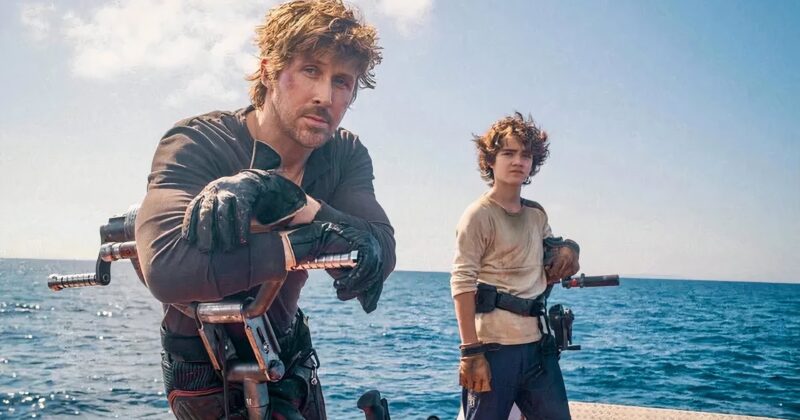
The Star Wars cinematic universe is ready to surge anew, venturing even further in its timeline than ever before with Star Wars: Starfighter. This highly anticipated movie features an entirely original cast and thrusts audiences into an era following the epic events of the Skywalker Saga. At stake is more than just box office performance: this film carries the expectations of fans eager for evolution—and the specter of mistakes the saga has made before.
Embracing the Sequel Trilogy’s Legacy
Set five years after the defeat of Emperor Palpatine, Starfighter is the furthest-flung story in Star Wars cinematic canon. Familiar faces like Luke, Han, and Leia are gone, making way for possible cameos from Rey Skywalker and Finn, now likely a Jedi in his own right. This fresh context demands reverence for the conclusion the sequels gave the Skywalker Saga. Ignoring those narratives or reducing their impact could strip Starfighter of its unique place in the galaxy. Fans are seeking not just nostalgia, but a bold continuation that validates the seismic events witnessed in the sequels—particularly for those curious about the post-Skywalker galaxy’s fate.
Resisting the Temptation to Resurrect Old Villains
One of Star Wars’ most persistent pitfalls has been the repeated return of old enemies—most notably, Emperor Palpatine and the Sith. The Rise of Skywalker saw the Sith eradicated alongside their icy leader; Starfighter must avoid slipping back into these familiar patterns. The film already promises new Dark Side antagonists, portrayed by Mia Goth and Matt Smith. The crucial test is whether these villains will deepen the mythos with fresh philosophies of darkness, offering something truly new instead of echoing the menace of past Sith Lords.
Expanding the Universe—Not Just Retelling It
Star Wars thrives when it broadens its mythology, as seen in the bold moves of The Last Jedi and the deeper lore explored in recent series. By contrast, projects that tread narrative water, such as the third season of The Mandalorian, can feel stagnant, recycling familiar arcs without charting new territory. Starfighter holds a golden opportunity: it introduces a blank slate of heroes and adversaries. This should be leveraged to dive into unexplored regions of the galaxy, new Force traditions, and the political aftermath of galactic war. Done right, this movie could innovate as much as entertain, breathing needed fresh air into the franchise.
Big Screen Spectacle—A Visual and Narrative Mandate
Modern Star Wars movies are expected to mesmerize, from sweeping cosmic vistas to majestic new planets. The sequel trilogy dazzled visually—consider the curvature of Exegol or the desolate plains of Jakku. Starfighter must aspire to that same cinematic grandeur, not necessarily by escalating stakes but by grounding the spectacle in emotionally resonant, visually unforgettable moments. It’s not about more Star Destroyers—it’s about memorable worlds and sequences that justify the colossal canvas of cinema over streaming.
Crafting a Distinct Identity from The Mandalorian
While set in the same universe, Starfighter must carve its own distinctive path, separate from the episodic style of The Mandalorian. The film sits at a different point in time, promising an unexplored era. It’s essential that it doesn’t lean too heavily on cameos or callbacks—its success depends on establishing new lore, unique character arcs, and high-stakes drama that expands rather than mirrors what fans already love on Disney+. This is the bold leap that defines new epochs in the Star Wars legacy.