Streaming Makes Dystopian Sci-Fi King: The Running Man’s Surprising Success and What It Means for the Genre

Why Dystopian Sci-Fi Finds Success on Streaming
The streaming landscape has radically changed how audiences engage with dystopian science fiction. This trend was recently reinforced by the case of The Running Man. Despite a lackluster box office debut, this adaptation quickly soared to the top of Paramount+’s most-watched titles and held that position for weeks, hinting at a fundamental shift in how fans consume complex, genre-bending stories.
The Running Man: Second Life on the Small Screen
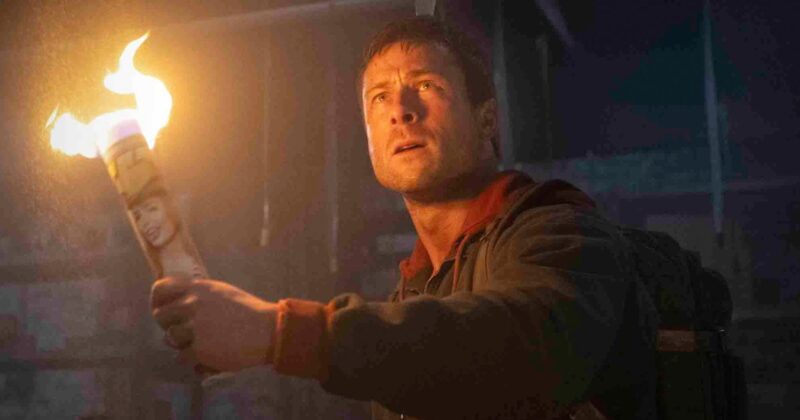
Adapted from Stephen King’s chillingly satirical novel, The Running Man stars Glen Powell as Ben Richards, a blue-collar worker thrust into a televised death race to save his daughter’s life. The premise—a desperate man forced to outsmart lethal ‘Hunters’ under the scrutinizing eyes of a bloodthirsty audience—felt tailor-made for blockbuster cinema. Yet, the film stumbled financially, performing well below expectations despite critical acclaim. Powell’s portrayal earned praise, but the blend of social commentary and action could not overcome the hurdles of modern box office dynamics.
Streaming: The Natural Habitat for Dystopian Worlds
The irony is that dystopian sci-fi has never been more popular—just not where Hollywood expected. Premium platforms like Prime Video and Apple TV+ are pushing the envelope with series such as Blade Runner: 2099 and Neuromancer, giving cyberpunk aficionados much to anticipate. Shows like The Expanse, Silo, and Foundation have thrived, receiving both critical and audience adulation. Meanwhile, cinema releases with similar dystopian themes often falter. The box office struggles of Borderlands, 28 Years Later: The Bone Temple, or Furiosa: A Mad Max Saga demonstrate this mismatch.
Why TV Series Outperform Films in Dystopian Sci-Fi
There are several factors at play. First, serialized formats allow for deeper world-building and gradual escalation of stakes—vital in dystopian storytelling. The Running Man‘s dense plot and socio-political subtext were compressed into a two-hour film; a miniseries would have given the narrative and characters more room to breathe, similar to what made Welcome to Derry and Station Eleven stand out as viewer favorites. Audiences crave immersion, slow-burn tension, and the time to understand the layered motivations of individuals navigating grim, high-stakes futures. Streaming series deliver exactly that.
A Genre Reinvented
A closer look at recent streaming successes reveals a hunger for new kinds of heroes and antiheroes, unexplored dystopian systems, and moral ambiguity—a far cry from the straightforward narratives often demanded by theatrical releases. Addition of expert showrunners, high production values, and innovative storytelling techniques have lifted shows like Fallout and Silo to must-see status. Streaming services also give creators the latitude to embrace weirdness and risk, enticing both established talent (such as Edgar Wright) and emerging voices in science fiction.
The Takeaway for Fans and the Industry
If there’s one lesson to learn from The Running Man‘s trajectory, it’s that dystopian sci-fi now truly belongs to the small screen. The genre thrives in environments where nuance and extended tension can be explored across multiple hours, not just within a single blockbuster weekend. For fans, this translates into richer, more complex experiences available right at home—no ticket required.