Street Fighter vs Mortal Kombat: Lewis Tan Fires Back at Rivalry Jabs and Fuels Hype for 2026’s Biggest Fighting Game Films

The Fighting Game Movie Rivalry Ignites: Candid Words Fly Between Stars
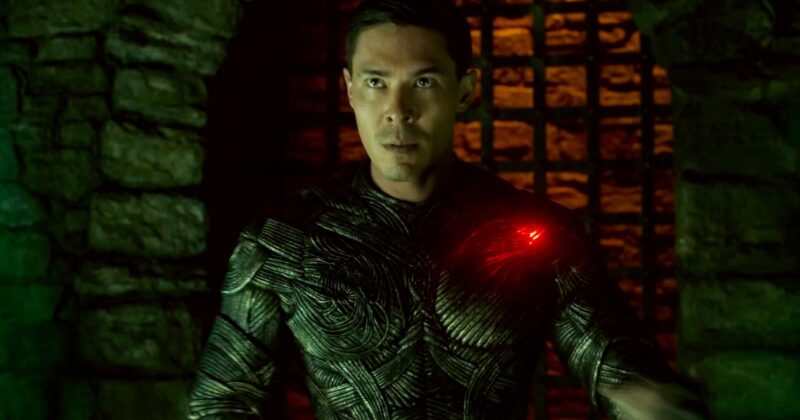
The world of video game adaptations is abuzz as the rivalry between Street Fighter and Mortal Kombat reaches a boiling point—this time, not in the digital arena, but on the Hollywood stage. Lewis Tan, who returns as Cole Young in the anticipated Mortal Kombat II, didn’t hold back after Andrew Schulz, new face of Dan Hibiki in the upcoming Street Fighter reboot, made headlines by throwing shade at the Mortal Kombat cast during an appearance at the Game Awards.
Words That Land Harder Than Punches
Schulz, known for his comedic edge and a bold presence, used his moment in the spotlight to question the Mortal Kombat actors’ dedication to the fans, suggesting they cared more about box office receipts than the community that built these legendary franchises. The comments rippled through social media, and Tan, not one to dodge a challenge, responded with frankness. He remarked that Schulz is the ‘last person that should be talking s–t on that stage,’ further underlining that his rival is neither a fighter nor ‘even really an actor.’
Friendships, Rivalries, and the Pulse of Martial Arts Cinema
Despite his blunt remarks, Tan made it clear that rivalries don’t have to be personal—especially in an industry built on iconic matchups and mutual respect. He acknowledged his friendships within the Street Fighter cast, like Rayna Vallandingham (his former co-star from Cobra Kai), and praised outstanding martial artists such as Andrew Koji.
‘I love a good rivalry. Let’s go, bro,’ Tan declared, playing up the classic competitive spirit that the very games themselves embody. With box office numbers as the ultimate scorekeeper, he predicted that by the end of this year, there will be no need for words—just results.
Box Office, Fan Passion, and the Cinematic Evolution of Two Legends
The timeline for fans is locked in. Mortal Kombat II lands in theaters first, reuniting audiences with familiar faces like Karl Urban as Johnny Cage and Jessica McNamee as Sonya Blade. Its predecessor captivated audiences despite divided critical response, scoring impressively with general moviegoers. The story’s blend of brutal martial arts, legacy, and superhuman conflict continues to resonate far beyond its arcade roots.
Street Fighter, meanwhile, enters as a reboot—reinvigorating after several past adaptations. Its cast reads like a who’s who of contemporary entertainment: Noah Centineo, Callina Liang, wrestling stars like Roman Reigns and Cody Rhodes, icons like Jason Momoa, and even music titan Curtis ’50 Cent’ Jackson. The franchise’s cultural identity is deeply tied to fandom, competitive spirit, and over-the-top —yet beloved—character moments. Schulz emphasized that his cast is ‘not just about the money,’ zeroing in on those loyal fans who have kept Street Fighter alive since 1987.
Why the Hype Matters in 2026 and Beyond
What makes this duel so compelling isn’t just the stardom attached; it’s the recognition that fighting game movies are evolving. They’re not content with simple nostalgia—they’re reimagining what blockbuster martial arts cinema looks like in 2026, blending state-of-the-art choreography, authentic casting, and inside jokes for veteran fans.
- Mortal Kombat II leverages a legacy of edgy storytelling, visceral visuals, and a committed cast rooted in martial arts authenticity.
- Street Fighter goes for a broader appeal, assembling a pop-culture-heavy ensemble and leaning into a more stylized, lighthearted attitude that pays homage to its arcade roots.
As each film readies for release this year, the only thing left to settle is which franchise will deliver the knockout hit—at the global box office and in the hearts of fighting game fans everywhere.