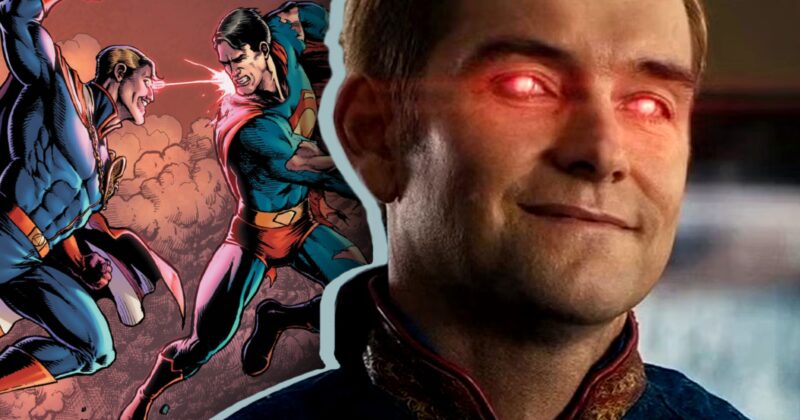
Superboy-Prime’s Complex Evolution: DC’s Original Dark Superman Finally Outshines The Boys’ Villains

Revisiting Superboy-Prime: DC’s Iconic Dark Superman
Superboy-Prime has been a haunting figure in the DC Universe since his debut in 1985, but his full impact wasn’t truly felt until the Infinite Crisis storyline. As an incarnation of an evil Superman from a parallel Earth, he wasted no time leaving chaos and destruction in his wake, taking down heroes and reshaping the landscape of DC’s multiverse. Among his grim accolades is the chilling fact that he killed Kal-L, the Superman of Earth-2, cementing his status as a uniquely malevolent force.
Despite this dark legacy, for years Superboy-Prime hovered on the edge of fandom obsession—respected and feared but overshadowed by newer villains across other properties. Characters from Amazon Prime’s The Boys, like the fiercely brutal Soldier Boy, the enigmatic Black Noir, and the dangerously charismatic Homelander, captivated darker hero enthusiasts with their modern, psychologically rich villainy. Yet, a recent creative shift within DC has propelled Superboy-Prime into a fresh spotlight.
A Redemption Arc Like No Other
Joshua Williamson’s reinvention of Superboy-Prime is a masterclass in character development, breathing new life into a character traditionally seen as purely destructive. By weaving a nuanced redemption arc into the story, Williamson taps into themes of regret, self-discovery, and the struggle for purpose that make Superboy-Prime compelling on a human level despite his godlike powers.
This narrative transformation not only challenges long-held perceptions but also expands the storytelling horizons within DC’s superhero mythos. It poses the provocative question: can someone born from darkness truly claw their way back toward light? Williamson’s handling of this arc is subtle yet impactful, respecting Superboy-Prime’s tortured history while opening doors for emotional depth previously unexplored.
Intersections with The Boys and Modern Antiheroes
The dark allure of antagonists in The Boys has, for many, redefined what it means to be a villain in contemporary media. These characters inhabit gray moral zones rife with fanaticism, fragility, and violence, making them fascinating studies beyond typical comic book villains.
Superboy-Prime’s newfound complexity places him squarely in conversation with these layered villains. Like Homelander, whose terrifying charisma masks deep psychological scars, or Soldier Boy’s ruthless obsession with legacy and power, Superboy-Prime embodies a mixture of overwhelming force and internal conflict. Yet, his journey toward redemption introduces a hopeful counterpoint that even the most hardened antiheroes struggle to achieve.
Why This Evolution Matters for Comic Fans and Storytelling
Superboy-Prime’s arc exemplifies how comic book characters, especially those with long histories, can evolve beyond their archetypal roles to explore richer narratives. In an era where audiences crave complexity and relatability—even in characters with godlike abilities—this transformation aligns DC’s storytelling with modern expectations.
Furthermore, it opens up compelling possibilities for crossover themes and debates among fandoms. Will DC’s original dark Superman ultimately eclipse the appeal of newer, notorious villains in shows like The Boys? Only time will tell, but this moment highlights the power of thoughtful writing in reinvigorating legacy characters.
Diving Deeper: Superboy-Prime’s Impact and Future Potential
Technically, Superboy-Prime represents one of the most formidable forces in the DC multiverse. His physical prowess, coupled with unpredictable volatility, makes him a wildcard in any storyline. The emotional layers added by Williamson provide an intriguing tension: will his redemption hold, or will his darker impulses reign supreme?
From a storytelling perspective, this balance invites writers to push boundaries, allowing for stories that oscillate between epic battles and intimate psychological struggles. The character’s evolving alignment also offers fertile ground for exploring themes such as power, accountability, and the possibility of change.
Where to Follow This Evolution
For enthusiasts eager to stay abreast of Superboy-Prime’s arc and other major developments in DC Comics, following official DC channels and subscribing to digital comics platforms is essential. These resources provide timely access to new issues, creative insights, and exclusive content from the minds shaping these complex narratives.
Meanwhile, fans of antihero storytelling can continue engaging with titles and series that dissect the moral ambiguity of heroism, violence, and redemption—elements that both DC’s Superboy-Prime and The Boys‘ characters embody so well.