Sweet Home: Redefining Zombie Horror with Korean Edge
Sweet Home is a standout among Netflix’s horror lineup—not just another run-of-the-mill zombie apocalypse. This Korean thriller has captivated global audiences with its daring structure and refreshing approach to one of pop culture’s most beloved monsters: the zombie.
An Unconventional Beginning Driven by Emotion
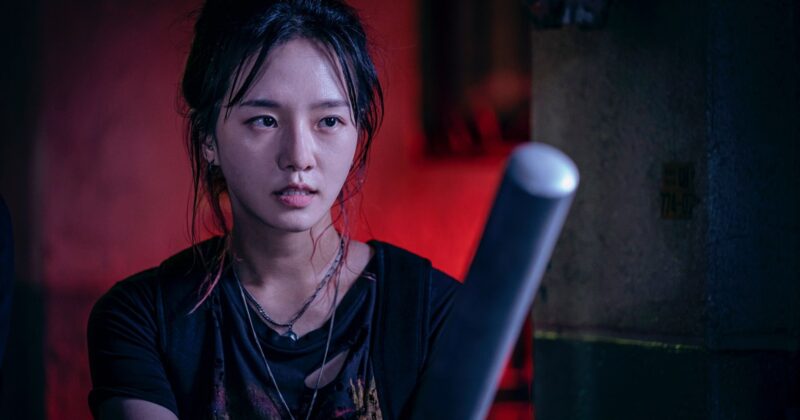
Most zombie narratives open with an outbreak, a sudden collapse of normalcy, and a mindless horde threatening survivors. Sweet Home, however, starts by centering the story on Cha Hyun-su, portrayed by Song Kang. Hyun-su is not just a victim of monstrous chaos; he’s a broken young man grieving a recent tragedy. The emotional resonance in those early episodes sets a deeply human tone rarely seen in modern horror series.
The true horror isn’t revealed by a rampaging undead mob but rather the terrifying isolation and suffocating dread that takes hold in Hyun-su’s apartment building. When the first monstrous transformation occurs, the claustrophobic atmosphere instantly ratchets up the tension—turning every hallway and neighbor into a potential threat.
Monsters Beyond Imagination
Where other series—think The Walking Dead or The Last of Us—lean on variations of shambling corpses, Sweet Home delivers a bestiary that feels pulled from a surreal nightmare. Each infected person morphs into a creature shaped by their own deepest fears or obsessions, resulting in visual designs that are as psychologically disturbing as they are physically terrifying.
From grotesque giants with distended limbs to demonic angels and monstrous eyeballs, the effects team elevates every confrontation to event status, keeping fans guessing about what new terror will emerge next. It’s a bold reminder that horror can—and should—evolve with audience expectations, refusing to settle for repetitive tropes.
Survival and Suspicion at Every Turn
Much of the suspense in Sweet Home doesn’t just stem from its monsters, but from the human response to crisis. The survivors are beset by paranoia—no one can say who will turn next, or what inner darkness will manifest. This adds psychological depth. The apartment becomes a pressure cooker where morality, trust, and desperation are constantly renegotiated.
As Hyun-su discovers he is cursed with his own monstrous form—and extraordinary powers—he is forced into a double life. He must defend the group while concealing his secret, making for some of the drama’s tensest sequences. This internal conflict is handled with sophistication, highlighting the existential anguish that defines the best in Korean genre storytelling.
Three Seasons of Relentless Tension
Sweet Home has managed to sustain its nerve-shredding pace through three seasons. With each installment, the action choreography grows more ambitious, and the show’s visual palette becomes even more striking. The sound design and score deserve special mention—using silence and discordant musical cues to keep viewers perpetually on edge.
Critics and audiences alike have lauded Sweet Home: the first season earned an impressive 86% approval rating, with subsequent seasons continuing to thrill die-hard horror fans. The evolving narrative means every season feels different, sometimes risking divisive creative swings, but never losing touch with the show’s core: innovation over imitation.
A New Reference for Zombie and Monster TV
What cements Sweet Home as essential viewing for any fan of horror, K-dramas, or genre television is its fearless reinvention of the familiar. It uses the zombie archetype not just for body horror or shock value, but as a vessel to explore human suffering, resilience, and transformation under pressure.
In a streaming era where true innovation in horror can be rare, Sweet Home stands apart as a series that delivers emotional gravitas, visual flair, and chills in equal measure. For viewers seeking something beyond recycled apocalypse tropes, this is the show that proves modern zombie horror still has plenty of bite left in 2026.