Tatsuki Fujimoto’s Creative Reign: Why ‘Look Back’ and His Adaptations Are Reshaping Modern Anime and Manga

The Unstoppable Rise of Manga in Cinema
Over the last decade, anime films have shattered expectations at the box office. Pop culture powerhouses like Demon Slayer and Jujutsu Kaisen have dominated globally, but it’s not just long-running shōnen sagas that are thriving. Standalone masterpieces have earned their place alongside the biggest franchises, and ‘Look Back’ stands out as a true phenomenon—a critical darling that effortlessly crossed over from manga page to cinematic triumph.
‘Look Back’: From Silent Manga Masterpiece to Cinematic Sensation
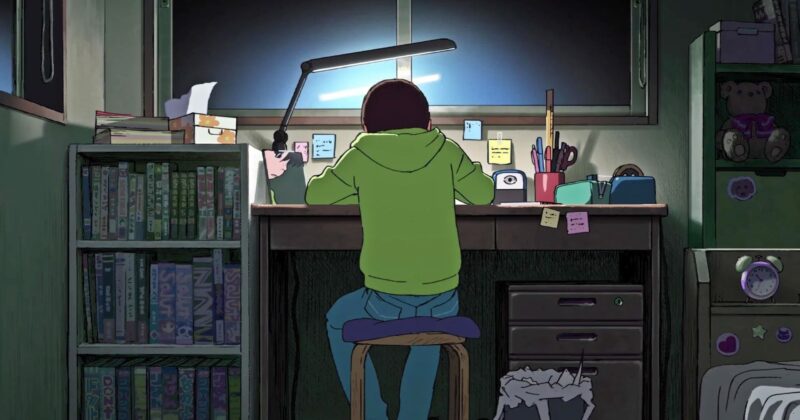
Written by the visionary Tatsuki Fujimoto, ‘Look Back’ was an immediate hit among manga enthusiasts, praised for its poignant storytelling and subtly brilliant art. Its anime adaptation continued this legacy, earning a rare 100% score from critics and captivating new audiences in theaters. That achievement set a new standard for adaptations, showing that raw emotion and authenticity resonate just as powerfully on the big screen as they do on the printed page.
The story is now preparing for another leap with a live-action rendition helmed by acclaimed director Hirokazu Koreeda, whose past works like Shoplifters have earned international accolades. Koreeda has spoken passionately about connecting with the ‘desperate resolve’ of Look Back—a testament to the emotional weight artists pour into their craft, which has evidently inspired another potential hit.
Tatsuki Fujimoto: Defining an Era of Manga Innovation
In the manga world, very few creators achieve remarkable success across multiple works, but Fujimoto is redefining the possible. He moved from the dark, mind-bending world of Fire Punch to the adrenaline-fueled, absurd chaos of Chainsaw Man, each time unlocking a new level of acclaim and influence. It’s telling that several of today’s rising stars—like Tatsuya Endo (Spy x Family) and Yuji Kaku (Hell’s Paradise)—once worked as his assistants, underscoring his impact as a mentor and innovator in the industry.
The rarity of having four adaptations in as many years speaks volumes about both the flexibility and emotional depth of Fujimoto’s stories. Projects like Chainsaw Man: Reze Arc have smashed commercial records, becoming studio MAPPA’s top performer, while the anthology Tatsuki Fujimoto: 17–26 has showcased the sheer range of his creativity.
Why Do Fujimoto’s Stories Translate So Well to Screen?
The anime and live-action adaptations of his works are not just routine conversions—they are love letters to modern storytelling. Each adaptation has been entrusted to artists and directors with a clear creative vision, leading to versions that honor the spirit of the original while taking advantage of their new medium. The upcoming live-action Look Back, reportedly shot on rich 35mm film, is expected to be a visual and emotional experience unlike any other, especially with Koreeda at the helm.
This success is all the more remarkable considering the often punishing conditions manga artists endure. Deadlines can be brutal, expectations sky-high, and few ever see more than a single adaptation. For Fujimoto, the trend seems only to be accelerating, with fans and critics alike eager for each new interpretation.
The Future: Unadapted Masterpieces and Buzzworthy Projects
Despite this parade of adaptations, several of Fujimoto’s most compelling works await their turn. Fire Punch, with its haunting themes and complex protagonist, would challenge any animation studio—imagine bringing a perpetually burning character to life! On the other hand, Goodbye Eri, uniquely told from the lens of a smartphone, looks tailor-made for a stylish, atmospheric short film.
Not to be overlooked, Chainsaw Man remains an unfinished epic as far as the screen is concerned. The next major anime arc, tackling the wild International Assassins storyline, is already in development at MAPPA, promising to continue thrilling both newcomers and long-time manga readers with its unapologetic energy and layered narratives.
The Landscape for Fans and Viewers
The pace and success of these adaptations reflect a changing audience: globally connected, hungry for both emotional intimacy and genre-defying spectacle. Streaming giants and theatrical releases alike compete to showcase Fujimoto’s works—testament to his powerful influence on what contemporary anime can achieve.
With ‘Look Back’ returning in an all-new live-action form, the industry spotlight is firmly on Fujimoto. As each new project is announced, fans and creators are watching closely, well aware that they are witnessing the work of a mangaka pushing the medium into uncharted territory.