Naruto Characters: Masterpieces of Storytelling and Emotional Depth
Few anime universes dive as fearlessly into the complexities of pain, recovery, and the longing for connection as Naruto. While the series transitions seamlessly from battlefield spectacles to intimate flashbacks, its greatest achievement is the meticulous construction of its iconic characters—each one etched by trauma, hope, and the struggle to matter. Beneath the surface of ninja showdowns, it’s the nuanced evolution of these individuals that transforms Naruto into a cultural touchstone rather than just an action-packed adventure.
Obito Uchiha: The Mask of Suffering Unveiled
Obito Uchiha’s journey is a devastating arc packed with contrasts. Once an optimistic, somewhat awkward orphan with dreams of becoming Hokage, he quickly drew parallels to Naruto himself—especially in his determination to protect Rin and Kakashi. But witnessing Rin’s death at Kakashi’s hand (a twist engineered by manipulation) fractures Obito’s worldview. Grief snowballs into nihilism, driving him to orchestrate a dreamlike prison where no one hurts again, thus birthing the infamous Tobi. His eventual unmasking is one of the series’ most memorable revelations; Naruto’s empathy is what finally shatters the cycle of pain Obito tried to impose on the world.
Nagato (Pain): Despair as a Path to ‘Peace’
Nagato, who becomes known as Pain, is molded by the ceaseless violence that erased his childhood and took Yahiko from him. He forges the Akatsuki into a weapon, convinced that only universal suffering can cure humanity’s thirst for war. Piloting six bodies through his Rinnegan, he deals devastation—Moments like the destruction of Konoha are stark statements: the world must understand true pain to change. Yet, in the face of Naruto’s enduring spirit, Nagato’s conviction falters. In an astonishing twist, he sacrifices his own life force to reverse the destruction, lending the series raw realism about breaking the chains of hatred.
Hinata Hyūga: Quiet Strength Defies Old Traditions
For Hinata, life within the Hyūga clan is a gauntlet of judgment and dismissal. Her inherent gentleness is condemned as weakness, intensifying her self-doubt. Despite being cast aside, Hinata’s persistence flourishes. She secretly trains, fighting to embody self-respect—and it’s Naruto’s indomitable will that sparks her resolve to change. Far from the brashness of her peers, Hinata personifies a subtler form of courage: she listens, feels deeply, and finds her own reasons to push past her upbringing, quietly reshaping the ideals of self-acceptance.
Gaara: Redemption Through Shared Suffering
Gaara’s transformation offers a dramatic exploration of psychological trauma. Weaponized since infancy due to the One-Tailed Shukaku sealed inside him, he is both cursed and shunned by his own village. Left to equate violence with validation, he becomes a pariah defined by rage and isolation. But Naruto, himself no stranger to alienation, inspires Gaara to rebuild his emotional foundations. The conquest of his own demons allows Gaara to assume the role of Kazekage, a symbol of the series’ belief in the possibility of true redemption.
Shikamaru Nara: From Reluctant Genius to Relied-Upon Leader
At first glance, Shikamaru is the embodiment of laziness, prioritizing cloud-watching over duty. However, life’s harsher realities force his hand. The shocking loss of his mentor Asuma triggers a maturation process—unwillingly, he’s propelled from spectator to strategist. His evolution is proof that hidden talents can be catalyzed by tragedy, evolving into lifelong loyalty to the village and friends. Shikamaru stands as a rare example of how grief, when confronted, yields wisdom and purpose.
Jiraiya: The Hopeful Sage Burdened by Loss
Jiraiya is equal parts comic relief and tragic wanderer. Beneath his flamboyant persona and infamous novels lies ongoing heartache—failures to steer his protégés and regrets over lost young lives. He places his ultimate faith in Naruto, convinced his student can defy the cycle of vengeance endemic to the shinobi world. Jiraiya’s final stand, espionage skills, and ever-present bittersweet optimism cement him as a wise yet deeply flawed mentor whose influence resonates far beyond his own story arc.
Kakashi Hatake: A Lifetime of Loss and Reluctant Leadership
Kakashi’s stoicism hides decades of pain, having lost parents, teammates, and all semblance of childhood normalcy. Yet, these hardships forge a Shinobi who understands the cost of indifference and the value of interpersonal bonds. As team leader and eventually Hokage, Kakashi channels his grief into compassion—every lesson and tactical choice is informed by a desire to spare the next generation his own heartbreak. His calm, unassuming wisdom proves even the weariest survivors can become beacons of stability.
Itachi Uchiha: The Weight of Impossible Choices
Itachi’s legacy is one of sacrifice. Wracked by impossible decisions—namely, the annihilation of his own clan to avert a greater disaster—he becomes a figure defined by ambiguity and misunderstood heroism. That his brother, Sasuke, spends years blinded by vengeance only deepens the painful symmetry of their story. Only in the wake of Itachi’s reveal does his true nature emerge: a newly layered character whose actions challenge any simplistic morality.
Sasuke Uchiha: The Cost of Revenge
Driven from childhood by the trauma of losing his family, Sasuke personifies the pursuit of vengeance. His rivalry with Naruto is not just about power—it’s a contest of ideologies, of how to process loss and seek justice. Sasuke’s journey through defection, confrontation with the Akatsuki, and eventual reconciliation mirrors a very real struggle: how far someone will go to fill an irreparable void. His arc’s depth and unpredictability have kept viewers engaged for years.
Naruto Uzumaki: The Enduring Power of Empathy
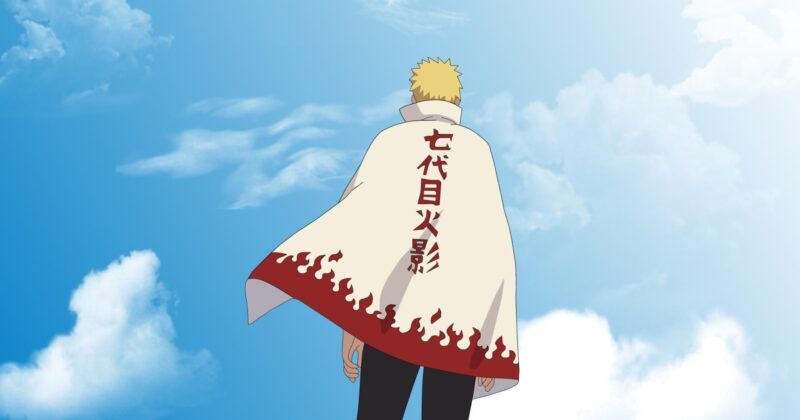
At the heart of every seismic shift in the narrative sits Naruto himself. Orphaned and vilified as a child, he’s relentless in showing others the compassion he was denied. His greatest weapon isn’t any jutsu, but his refusal to surrender his faith in people. Every redemption, every shift from hatred to understanding within the series, stems either directly or indirectly from Naruto’s relentless pursuit of connection. This commitment to empathy as a force stronger than violence or history cements Naruto as one of the best-protagonist arcs in modern anime.