The 10 Most Overhyped Anime Protagonists: Characters Who Fell Short of Their Own Legends
The Problem With Overrated Anime Heroes
Anime’s greatest heroes have become icons of pop culture, generating legions of devoted fans and shaping entire genres. While some truly earn that reverence through deep development and memorable arcs, others coast on the popularity of their franchises. Under the surface, many acclaimed protagonists reveal a notable lack of growth, superficial motivation, or simply turn into narrative devices rather than relatable characters. This look at the most overrated anime leads unpacks who they are, why they fall short, and what that says about modern anime storytelling.
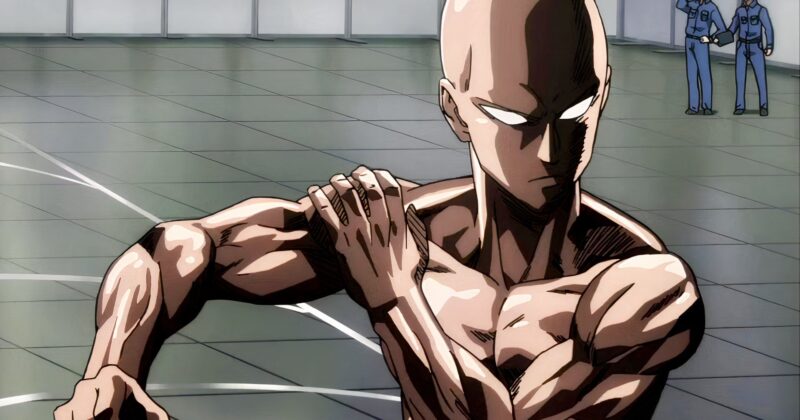
1. Saitama – One Punch Man
Saitama starts as a brilliant parody: the ultimate superhero bored with his own omnipotence. As One Punch Man’s main character, he’s a direct critique of shonen formulas. Yet, his overwhelming power becomes a plot crutch, eradicating all suspense and making battles predictable. Side characters like Genos or King end up carrying the emotional weight, while Saitama’s gags grow stale with repetition. His detachment from meaningful struggle leaves viewers with little to invest in or relate to—something long-term fans of the franchise recognize as both a strength and a narrative limitation.
2. Eren Yeager – Attack on Titan
Eren Yeager’s transformation from vengeful teenager to stoic mastermind in Attack on Titan is dramatic, but not always convincing. Early on, his impulsiveness and one-track hatred made him feel like a stock protagonist, and even as his motives shift, the show sometimes fails to flesh out the turns in his character. The introduction of future sight as a plot device strips away agency, making Eren less a person and more a vehicle for the story’s shocking twists. Despite the anime’s acclaim, Eren’s personal evolution often feels abrupt or scripted, lacking the organic progression that fans appreciate in deeper leads.
3. Light Yagami – Death Note
For much of Death Note, Light Yagami dazzles as an anti-hero locked in a battle of wits with L. Once L exits the story, so does much of Light’s supposed brilliance. His tactical missteps and unraveling sanity reveal a protagonist whose reputation relies more on narrative mystique than genuine intelligence or growth. While his initial motivations (twisted justice, godhood) are compelling, Light never experiences true self-awareness—his arc is less a moral descent and more a collapse, leaving many viewers reconsidering his place among anime’s strategic masterminds.
4. Zenitsu Agatsuma – Demon Slayer
Zenitsu may have impressed viewers in Demon Slayer with his combat prowess—but almost exclusively while unconscious. Awake, he’s defined by cowardice, comic relief, and tiresome womanizing. Fans only see his resolve surface late in the series, and his sudden switch from comic nuisance to avenger doesn’t feel earned. Despite high technical production and action, many believe Zenitsu’s arc misses the chance for genuine, incremental character development. For those curious, the official Demon Slayer anime site delves deeper.
5. Asta – Black Clover
Asta is meant to be the ultimate underdog—magicless in a world where magic means everything. But the anti-magic powers he wields make his rise less of a struggle and more of a foregone conclusion. His endlessly enthusiastic personality, shonen-style screaming, and rigid dedication to becoming Wizard King never waver. The static nature of his character and the undermining of the underdog trope have left even loyal fans feeling a lack of real stakes surrounding him. Explore more about Asta’s world on the official Black Clover site.
6. Meliodas – The Seven Deadly Sins
As captain of the Seven Deadly Sins, Meliodas brings action and some intriguing lore (immortality, demon king lineage), but his character is marred by problematic, never-addressed lechery. The story plays repeated harassment of Princess Elizabeth for laughs, undermining his credibility as a protagonist. Even his rare moments of change are brief, with core traits always snapping back to default. The balance between action and personality makes him a divisive main character, particularly for modern audiences.
7. Izuku Midoriya – My Hero Academia
Izuku Midoriya, or Deku, stands at the heart of My Hero Academia, symbolizing aspirational dreams and vulnerability. But his journey is often criticized for excessive melodrama. His frequent tears and self-doubt, meant to highlight empathy, can at times come off as repetitive or emotionally heavy-handed, diluting the excitement of his rigorous hero training and battles. As the series evolves, fans look for greater complexity in Izuku’s leadership and mindset, but his early characterization often overshadows later growth. Dive into the continuing saga through the official anime website.
Reassessing Hero Worship in Anime
The heroes of anime are not immune to critique. When surface-level quirks or overpowered abilities mask stagnant arcs or questionable actions, audiences deserve to call it out. This evolving conversation shapes what new protagonists strive for and sets the standard for imaginative and authentic anime storytelling. As fandoms become more discerning, the genre’s celebrated characters will face both nostalgia and much-needed scrutiny—pushing for genuine growth and depth with every new season.