When Magic Fades: Disney’s Most Unbelievable Box Office Failures
For decades, Disney’s reputation has stood as a symbol of box office security—animated and live-action films that not only set benchmarks for storytelling and visual artistry but also assure massive financial success. Yet, beneath the glow of worldwide phenomena and hit after hit, some ambitious titles broke the spell and reminded the industry that even Disney can stumble in unexpected ways.
Newsies: The Musical Misstep That Found Its Voice Later
Disney and musicals seem an unbeatable combo, but Newsies broke the trend. This energetic period piece followed a group of spirited newsboys fighting injustice in New York City, but despite its inventive musical numbers and historic backdrop, its box office fate was grim. With a budget far outstripping its initial returns, Newsies only found its devoted following years later, transforming from financial subversion to cult darling—the kind of revival story that could only happen in the era of streaming and Broadway adaptations.
Sleeping Beauty: Artistry Outpacing Its Era
A visual marvel even by today’s standards, Sleeping Beauty was a bold experiment in animation, integrating elements from the medieval era in both narrative and style. Its lush backgrounds and intricate line work demanded unprecedented resources and set a new standard for animated features. Yet, the box office at release told a different story: the budget was simply too high, and audiences weren’t yet attuned to what would become staple fairytale magic decades later. Ironically, it’s this artistic leap that now cements the film as a cultural touchstone and frequent reference for modern animators and game developers seeking to recapture that spellbinding style.
Something Wicked This Way Comes: Carnival of Missed Opportunity
Adapting Ray Bradbury’s classic is a daunting challenge, but this eerie coming-of-age story set in a town invaded by a mysterious traveling carnival had all the ingredients for dark fantasy success. However, behind-the-scenes turmoil and a muddled marketing campaign left audiences more confused than captivated. Today, the film is experiencing a quiet renaissance among fantasy fans, with those darker themes now much more in vogue on streaming platforms and within graphic novels.
Hocus Pocus: Initially Overshadowed, Eternally Resurrected
Today, Hocus Pocus is iconic—a must-watch every spooky season, packed with memorable one-liners and electric performances. But upon release, its quirky witches were eclipsed by box office giants and questionable marketing decisions, most notably its summer premiere rather than a Halloween debut. Modern pop culture has reclaimed the film, illustrating how timing is everything in cinema—and how fandoms can turn overlooked oddities into perennial money-makers through collectibles, theme park attractions, and mobile games.
Treasure Planet: The Space Epic That Was Ahead Of Its Time
Treasure Planet took the familiar tale of treasure hunting and blasted it into outer space, blending lush, hand-drawn animation with (for its time) cutting-edge CGI environments. Despite its imaginative premise, critical praise for its visuals, and crossover potential for gaming adaptations, the film’s heavyweight budget doomed it at first. Today, it stands as an example of how innovation can sometimes move faster than audience expectations, with fans highlighting its influence on later sci-fi adventures across both cinema and video games.
Elio: The Misfire In The Modern Pixar Era
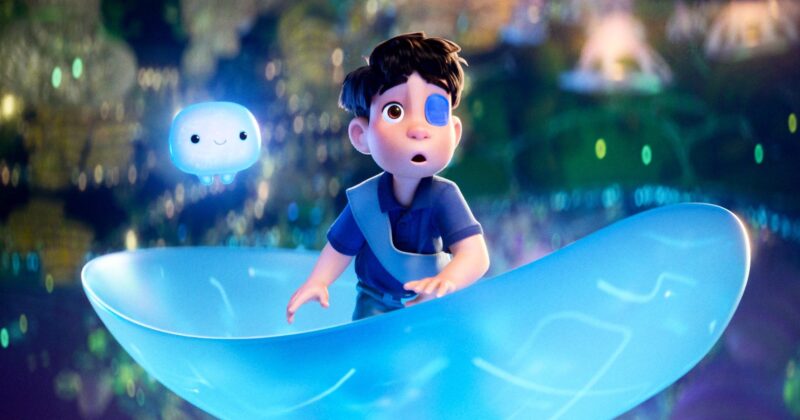
Landing in the era of streaming dominance and shifting family entertainment preferences, Elio promised galactic scale adventure and dreamy Pixar charm. However, competing with a saturated market of high-budget animated films, the story of a boy mistaken for Earth’s ambassador struggled to make its mark and recoup its considerable investment. Its lukewarm box office underscores how crucial pre-release buzz and audience engagement have become in the post-pandemic theatrical landscape.
Atlantis: The Lost Empire: A Cult Classic Born From Commercial Disappointment
Swapping out princesses and fairy dust for pulpy adventure and mythology, Atlantis: The Lost Empire was a bold shift for Disney animated features. Although it drew passionate fans with its steampunk aesthetic and rich worldbuilding—elements that live on in fan art and cosplay communities—the financial aftermath was sobering for the studio. The film’s popularity on streaming and home media platforms is a testament to how endurance in fandom can outlast initial disappointment.
Wish: The Modern Fairy Tale That Couldn’t Quite Deliver
Touted as Disney’s return to fairy tale roots, Wish arrived amidst high expectations but encountered a chilly reception from critics and audiences alike. Despite a parade of familiar motifs and heartwarming musical numbers, it couldn’t muster enough momentum to recover its production costs. The result points to an evolving family market hungry for fresh narratives—where formula simply isn’t enough, even with the Disney name attached.
A Christmas Carol: Lifelike Animation, Lukewarm Returns
Celebrity-driven, photorealistic animation seemed poised to freshen up Dickens’ oft-told classic with A Christmas Carol, featuring digital wizardry and powerhouse performances. Yet, the film’s cutting-edge technology didn’t spark the level of engagement or repeated viewing that Disney’s holiday offerings typically enjoy. This serves as a reminder that visual advances alone can’t guarantee success where narrative and emotional resonance lag behind.
These surprising failures, each for their own reasons, reveal the complex dance between technical ambition, audience expectations, evolving tastes, and a marketplace that no longer guarantees the so-called Disney magic on reputation alone. What’s clear is that in entertainment, lasting impact often arrives unpredictably—long after the final box office tally is counted.