The 10 PlayStation 1 Games That Redefined Console Gaming

The PlayStation Revolution: 10 Games That Changed Everything
The PlayStation ushered in an era where gaming broke free from two-dimensional constraints and exploded into vibrant 3D worlds. This leap wasn’t just about slicker graphics—it set the stage for completely transformative experiences, launching new genres and nurturing legendary developers. Here, we look back at the ten PlayStation titles whose impact reverberates across the industry even now.
Spyro the Dragon
While Nintendo ruled the RPG scene, PlayStation needed its own hero in the platforming space. Enter Spyro, an ambitious little purple dragon exploring wide open levels powered by tight, responsive controls. This was no mere mascot; Spyro galloped into gamer consciousness, birthing a series and elevating Insomniac Games. Without Spyro’s success, we might not have ever gotten Ratchet & Clank or the acclaimed Spider-Man titles that define PlayStation today.
Medal of Honor
Before gritty military shooters dominated the charts, Medal of Honor brought an immersive WWII experience to home consoles. Produced by Steven Spielberg, it shifted focus to historical authenticity and narrative. Its DNA can be traced directly to massive franchises like Call of Duty and Battlefield. Plus, this game launched composer Michael Giacchino on his way to scoring major Hollywood blockbusters.
Gran Turismo
Sim racing was reimagined by Gran Turismo, which treated cars not just as vehicles, but as highly customizable, realistic machines. The attention to driving physics and authentic car models set a standard still admired. These roots paved the way for present-day racing sims and car culture communities worldwide.
Resident Evil
Resident Evil introduced survival horror to a mainstream audience via tense gameplay and resource management inside the Spencer Mansion. Every bullet mattered. Its sense of dread and puzzle-solving made it unforgettable, even if later remakes refined its formula. Without this title, the global reach of survival horror would be much narrower today.
Castlevania: Symphony of the Night
Transforming the Castlevania franchise, this installment defined the «Metroidvania» genre: open-ended exploration, meaningful upgrades, and atmospheric storytelling. Its gorgeous pixel art and haunting soundtrack inspired indie hits like Hollow Knight, making it a lasting touchstone for both art and game design.
Metal Gear Solid
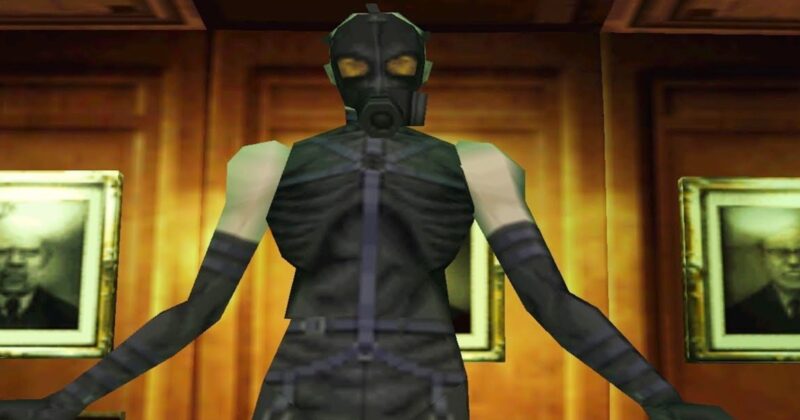
If videogames aim to blend cinema with interactivity, Metal Gear Solid is a case study. Introducing players to espionage, psychological bosses (who can forget Psycho Mantis?), and complex narrative beats, it’s the blueprint for cinematic gaming as we know it. Many of its mechanics—like crawling under boxes or using cigarettes to reveal lasers—still impress for their creativity and risk-taking.
Tony Hawk’s Pro Skater 2
The original was revolutionary, but Tony Hawk’s Pro Skater 2 broke the mold. Adding manuals fundamentally changed the way players strung together tricks, making skill ceilings sky-high. Its level creators and customization features birthed a new era of replayability—all set to a legendary soundtrack that still rocks nostalgia circuits.
Crash Bandicoot
Crash Bandicoot sharpened the PlayStation mascot wars with its demanding jumps and warped level design. Rather than open worlds, Crash zoomed in on tight precision, rewarding those who could perfect its challenging runs. Its success paved the way for Naughty Dog’s future classics—The Last of Us, anyone?
Tomb Raider
Ask someone to name a gaming icon, and Lara Croft is sure to come up. The original Tomb Raider mixed adventure, platforming, puzzles, and action, all with unprecedented scale and style. Its balance of danger and discovery has kept the series in our collective memory for decades, long beyond its humble polygonal beginnings.
Final Fantasy VII
No PlayStation retrospective is complete without Final Fantasy VII. This game catapulted Japanese RPGs onto the global stage, blending mature storytelling with visually spectacular summoning animations and deeply emotive characters. Its influence continues today, with entire generations of RPG fans reflecting on how Cloud, Aerith, and company changed their idea of digital storytelling forever.
These titles didn’t just entertain; they molded the expectations for what games could be, both in storytelling and mechanics. Each entry in this lineup still influences the industry today, from modern triple-A blockbusters to the nostalgic callbacks that fill independent projects across all platforms.