A Hidden Gem in Animation: The Scene Hoppers Fans Can’t Watch in Cinemas
It isn’t often that bonus content makes headlines alongside a box office hit, but Hoppers has managed to charm both audiences and animation aficionados alike—not just with its heartwarming story, but because of an extraordinary scene that exists only outside the theatre. Despite catapulting to early success, amassing over $88 million worldwide within days, and shattering recent records for its studio, one of Hoppers’ most visually striking achievements can only be found if you know where to look: an unused 2D animation test that captivated fans almost as much as the feature film itself.
The Scene That Redefined What Hoppers Could Have Looked Like
In what has become a much-buzzed-about post, director Daniel Chong revealed an early 2D animation test crafted by Lorenzo Fresta. The test showcases prototypes of Mabel—inhabiting the robotic beaver body—and King George swimming side by side, capturing a sense of wonder and camaraderie with a painterly flair. The sequence, never intended for the film’s final 3D version, has a magic quality reminiscent of Studio Ghibli, evoking raw emotion and celebrating nature’s elegant rhythms. The fan response has been overwhelming, with many expressing a longing to see the full adventure rendered in this mesmerizing 2D format. Comments echo the sentiment that there’s something truly timeless about traditional animation, its handcrafted feel pushing all the right nostalgic buttons for animation lovers and seasoned techies alike.
Technical Choices: Why Hoppers Committed to 3D
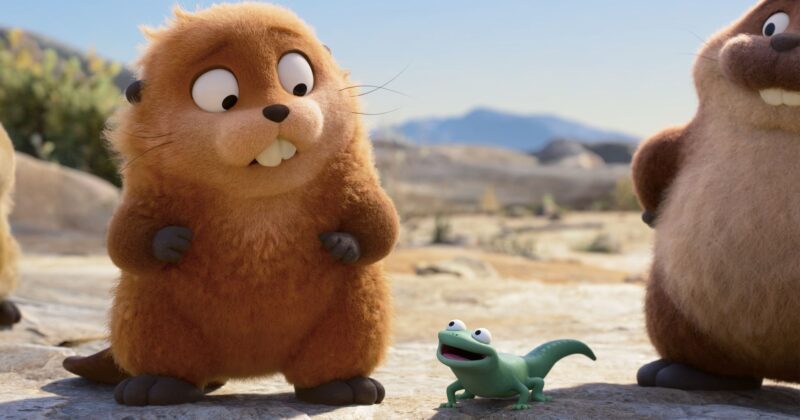
While Hoppers does experiment with art styles—using distinct looks for animal interactions and human scenes—it never strays into true 2D territory in the finished product. The reason is as practical as it is creative: integrating a full 2D sequence would have stood out against the film’s seamless 3D palette, possibly breaking viewers out of the immersive experience. The only scenario where the 2D test might have fit would be during the end credits. Even then, the movie opts for a stylized 3D sequence and includes a post-credits scene, leaving no natural place for Fresta’s evocative test to shine.
Behind the Scenes: Animation Tests as Artistic Statements
In the world of high-end animated features, such tests aren’t rare. Used to explore tone, emotion, and visual direction, animation tests can set the creative foundation before production pivots to the more demanding 3D process. In this case, the 2D snippet feels less like a rough draft and more like a parallel universe—one that honors the strengths of both old-school animation and the technical feats modern studios routinely pull off. The fact that it wasn’t included in the final cut doesn’t lessen its impact. Instead, it provides a rewarding Easter egg for fans who dig deeper and a conversation starter for those fascinated by stylistic evolution in animated storytelling.
A Unique Blend of Styles, Influences, and Industry Trends
The allure of Hoppers’ unused animation test isn’t just about nostalgia. It’s a testament to the ongoing dialogue within the animation community—how hand-drawn styles can coexist with and even inspire big-budget CGI, as seen in recent hybrid projects and beloved classics. While the finalized 3D visuals have undoubtedly contributed to Hoppers’ massive appeal and robust global numbers, this isolated 2D test stands as a reminder of what makes animation as a medium so uniquely versatile: its ability to capture mood, amplify emotion, and transport viewers, all with a few sweeping lines and a vibrant sense of movement. For now, the 2D scene lives on as a beloved artifact for fans and a milestone in Hoppers’ creative journey, nurturing appreciation for the deep artistry just beneath the surface of every frame.