The Unsettling Rise of the Backrooms
The Backrooms started as an innocuous image on an obscure message board—an endless, yellow-lit maze that felt disturbingly familiar. Just an image, yet it tapped deeply into an almost universal sensation: the uncanny liminality of bland office spaces, deserted malls, or any place that feels slightly off from reality. Over time, this eerie concept morphed into a viral creepypasta, spawning an entire universe of lore and unsettling stories exchanged across the internet. Today, it stands as one of the most iconic digital legends, influencing everything from YouTube shorts to multimillion-dollar TV shows.
A24 Brings the Backrooms to the Big Screen
A24, a powerhouse of modern horror and indie drama, has recognized the cultural electricity of the Backrooms and is bringing it to cinemas with a vision that promises to be both terrifying and psychologically resonant. The upcoming film, directed by young prodigy Kane Parsons, takes inspiration from his viral found-footage series on YouTube, elevating the concept from DIY horror to Hollywood production with a star-studded cast including Chiwetel Ejiofor, Renate Reinsve, Mark Duplass, and Finn Bennett.
Parsons’ approach draws viewers into the bleak labyrinth through the eyes of a therapist desperately searching for a missing patient. This premise not only brings the audience face-to-face with the psychological terror of the Backrooms but also offers new ways to explore trauma, memory, and claustrophobia—all classic horror territory, yet given a distinctly digital-age twist.
The Liminal Horror: Why the Backrooms Hit So Hard
What elevates the Backrooms beyond typical creepypasta fare is its use of liminality: the sensation of being trapped between one world and another, a state neither here nor there. The endless buzz of fluorescent lights, putrid yellow wallpaper, and a menacing sense of unseen threats resonate with contemporary anxieties—especially those tied to the monotony of workspaces and existential isolation. These are places we’ve all been, yet, in the Backrooms, they’ve become inescapable and haunted by predators born from our subconscious fears.
How Severance Perfected the Backrooms’ Vibe on TV
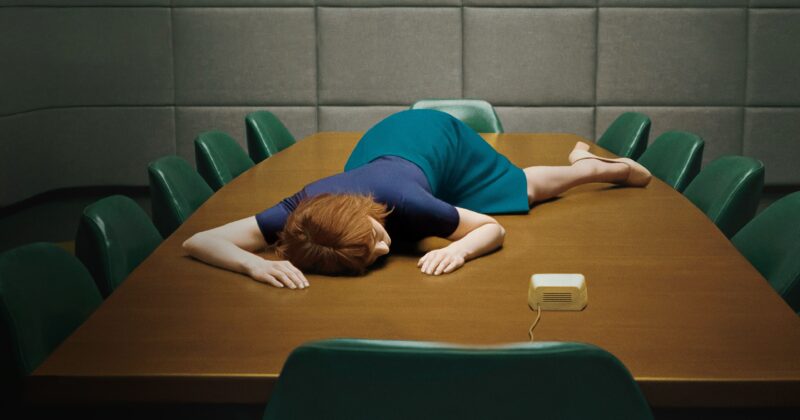
If this atmosphere reminds you of the Apple TV+ hit Severance, it’s no coincidence. Dan Erickson, the showrunner, has acknowledged that the suffocating office hellscapes of Severance owe much to the Backrooms mythos. Every scene in Lumon Industries, with its endless beige corridors and disorienting layouts, channels that same eeriness, transforming the office environment into a battleground for identity and psychological survival. Severance’s brilliant use of the Backrooms aesthetic serves as proof of concept for how liminal spaces can be weaponized on screen to explore the deepest corners of the human mind.
Severance doesn’t just repeat Backrooms lore; it reinvents it, blending corporate dystopia and cosmic horror in a way that feels entirely new. Apple TV+’s adaptation demonstrates that this visual and emotional lexicon—sterile, repetitive, yet subtly malevolent—can both entertain and unsettle, highlighting issues of autonomy, conformity, and psychological imprisonment.
A Cultural Moment: From Internet Folklore to Cinematic Event
The journey from a grainy 4chan image to a highly anticipated A24 release is emblematic of how digital folklore now shapes mainstream entertainment. It’s not just about viral scares—these stories are lenses for decoding modern anxieties, whether it’s corporate alienation or the creeping sense of unreality in everyday life. As A24’s Backrooms project draws near, anticipation is sky-high not only because of its horror elements, but also due to its potential to interrogate what it means to exist at the uncomfortable edges of reality—something both classic and distinctly of our time.
This convergence of internet myth, cinematic craftsmanship, and television excellence marks a new era for horror. The Backrooms phenomenon isn’t just another jump scare—it reflects and defines a generation’s deepest, most liminal fears.