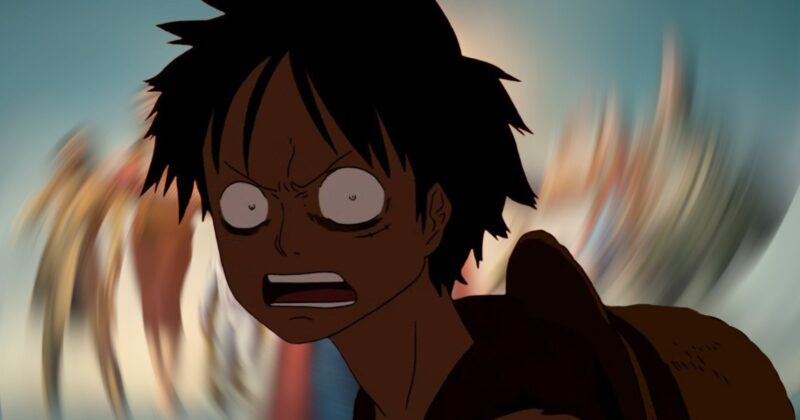
The Boys Delivers a Surprising and Dark One Piece Tribute in Season 5

The Unlikely Intersection of The Boys and One Piece
Prime Video’s The Boys has always delighted fans with its unapologetic takes on modern society and pop culture, but nothing could have prepared viewers for one of its boldest background Easter eggs. In the explosive premiere of season 5, hidden among children’s art on an elementary school wall is a sketch that unmistakably resembles the Jolly Roger of the Straw Hat Pirates—the iconic symbol from the globally beloved anime One Piece. For enthusiasts, the reference goes even deeper: a painted handprint signed ‘Kuma’ pays homage to Bartholomew Kuma, a major character in the One Piece universe. What might seem at first glance like a playful nod soon reveals itself to be an emblem loaded with dark and thoughtful implications within the show’s dystopian narrative.
The Symbolic Weight of the Jolly Roger in The Boys
On the surface, referencing One Piece in a Western superhero drama feels playful and lighthearted. However, considering the narrative turn The Boys has taken, it’s worth dwelling on what the Straw Hat symbol means in this context. By season 5, America is under the iron grip of Homelander and Vought, now a fascist regime that crushes any act of defiance. Any form of protest is met with brutal consequences—and it’s here that the One Piece reference evolves from a fan-service cameo into something far more sobering.
The Straw Hat Pirates are not just fictional adventurers; their emblem has been adopted worldwide by real-life protestors as a banner of rebellion against war and systemic corruption. The subtext here is chilling: in the world of The Boys, to draw or display the Straw Hat Jolly Roger is to invite danger, even when the hand behind the art is that of a child. With the regime’s zero-tolerance approach, the mere appearance of this symbol implies unseen stories of risk and resistance, hauntingly echoing One Piece’s core message of standing against authoritarianism.
One Piece: Surpassing Anime to Become a Symbol of Pop-Culture Resistance
The inclusion of One Piece iconography in a series as influential as The Boys marks a significant evolution in anime’s global reach. While cameos in cartoons and comics have been a longtime treat for anime viewers, the cultural footprint of One Piece has grown exponentially. From headlining the Macy’s Day Parade to inspiring official Lego sets, and now surfacing in a critically acclaimed Western series, One Piece is unarguably a pop-culture juggernaut.
This reference is more than a playful wink. As The Boys gears up for a narrative centered on resistance and the fight against corruption, drawing a parallel with One Piece’s own themes feels natural and meaningful. The series acknowledges the symbolic power of anime and manga as tools of cultural commentary and resistance—a phenomenon once relegated to niche fandoms but now cemented in mainstream entertainment.
What This Crossover Means for Fans and the Industry
The fact that The Boys would choose to weave in a reference to a shonen anime speaks volumes about the industry’s recognition of anime as a storytelling powerhouse. It’s a nod to dedicated viewers and newcomers alike, signaling just how influential One Piece and its message have become. For Western pop culture, acknowledging anime’s impact in such a dramatic, thought-provoking way elevates the conversation about where inspiration and activism can meet.
With new episodes of The Boys dropping each week, and One Piece continuing to smash viewership records and expand its brand, this moment stands as a testament to the power of cross-cultural pollination in the streaming era. The Jolly Roger’s presence in The Boys isn’t just an Easter egg—it’s a symbol of how media influence, resistance, and fandoms can intertwine, inviting audiences to look deeper beyond the surface of every scene.