The Boys Season 5: A Series That Dares to Finish What It Started
From the explosive moment Robin Ward’s death first shook viewers, The Boys established itself as more than just another superhero deconstruction. It became a powerful mirror for modern culture—merciless, audacious, and always unpredictable. Now, with its climactic fifth season, the show advances into the high-wire act of giving closure without compromise, deepening both its satire and human drama.
Character Journeys Take Center Stage
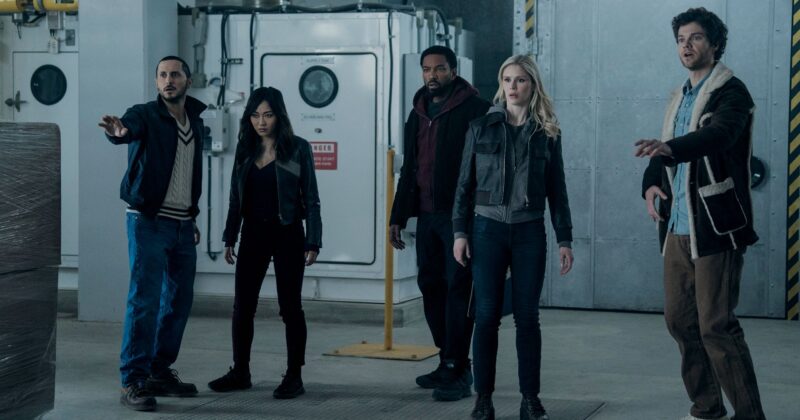
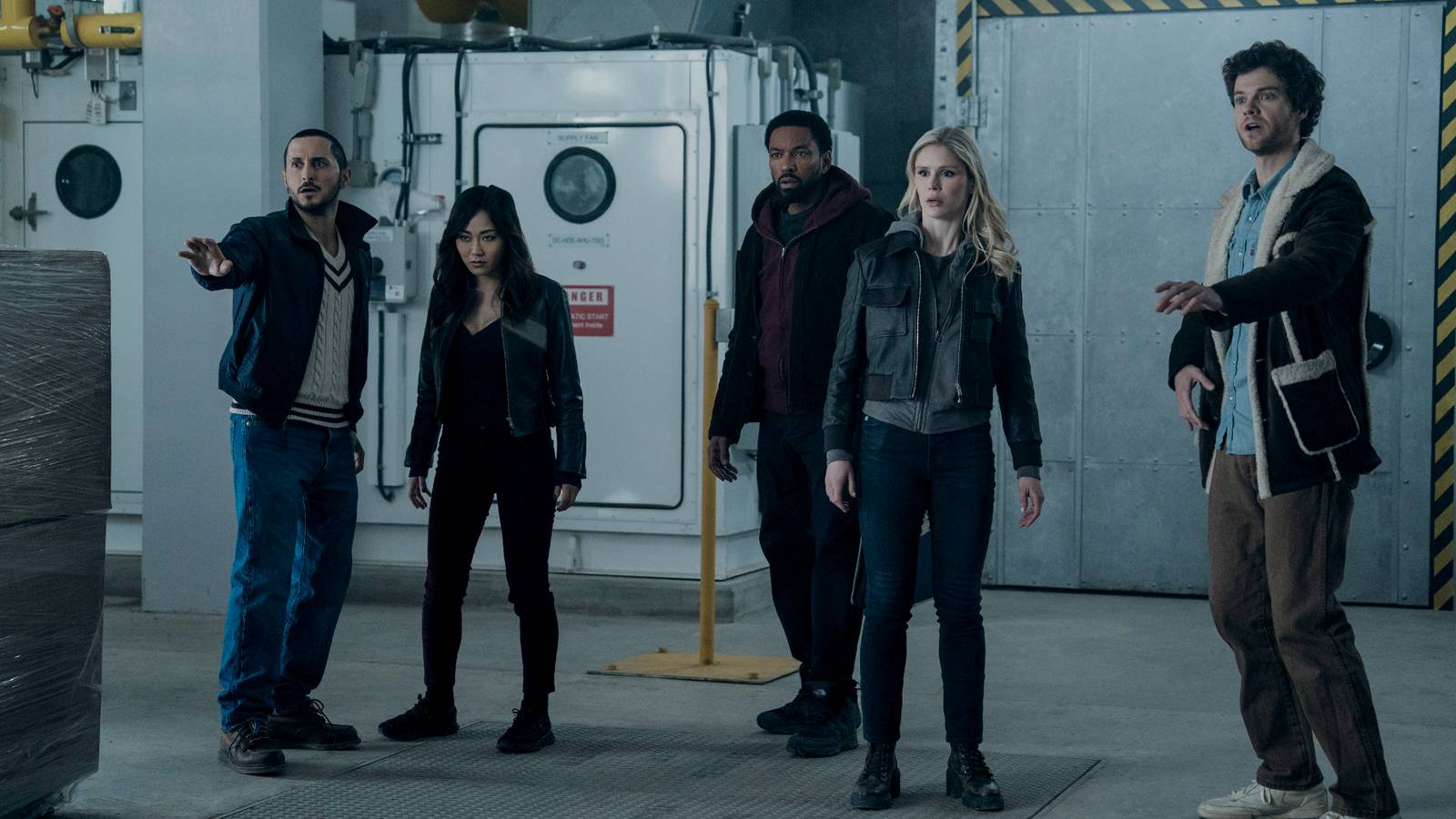
Longtime fans will feel the shift this season: The Boys isn’t fixated on tying up every minor subplot. Instead, it invests in the arcs that have been building since its brutal opening moments. Whether you’re attached to Butcher’s unstoppable rage, Starlight’s thawing idealism, or the toxic magnetism of Homelander, each central character is given space to finally resolve their path. Rather than fixating on fan service or television tropes, season 5 pushes characters toward endings that feel earned—sometimes surprising, sometimes jarringly inevitable.
The show doesn’t shy away from the emotional scars left unaddressed for years. Expect the return of faces you may have forgotten, and for old traumas to catch up with key players like Frenchie, Kimiko, Hughie, and Mother’s Milk. This time, their development feels equally as important as the show’s social commentary or signature shock value.
A More Mature Take on Shock & Satire
True to form, season 5 doesn’t abandon its penchant for jaw-dropping set pieces or darkly comic debauchery. Scenes that would make even seasoned viewers squirm are still present, but this time, the storytelling isn’t in a competition with itself for who can best the previous season’s outrageous moments. By placing less emphasis on escalation and more on context, the series manages to evolve: The Boys delivers the chaos fans expect, but also understands when to pull back, prioritizing drama over mere spectacle.
This is most evident in its nuanced approach to political satire. The parallels are unmissable—the opening sequence features a chilling, instantly recognizable image of fandom corrupted by real-world populism. Yet, unlike previous seasons’ tendency for broad strokes, this year gives complexity to both sides: supporters of Homelander aren’t painted as cartoonish villains, and even Team Starlight faces their own moral ambiguity. The writing mirrors our times, presenting no easy heroes or villains, with only one character standing out as truly pure-of-heart (and shampoo-scented).
Pacing: The Achilles’ Heel of an Ambitious Finale
If there’s a fault worth noting, it lies in the pacing. With the pressure of closing a juggernaut series, some momentum is lost—episodes occasionally tread familiar ground, revisiting old threats and setups (hello again, dangerous Compound-V and abandoned labs). The impact is subtle but present, especially when compared to the crisp forward drive of earlier seasons. Some viewers may wish that both this season and its predecessor had managed to streamline their stories into a tighter package rather than stretching the arc across more episodes than strictly necessary.
Still, this isn’t enough to diminish the significance of what The Boys achieves in its final run. Even at its slowest, the character work and topical bite never fade. As the main saga of Billy Butcher versus Homelander comes to a head, the show manages to preserve its irreverence and soul, setting a new standard for how superhero tales can end on their own terms—raw, risky and emotionally resonant.