The Boys: When Satire Becomes Reality
The Boys has long positioned itself as more than just another superhero deconstruction. With its biting satire and unapologetic brutality, it tears into the very fabric of modern pop culture and US socio-political life. The upcoming season, crafted by Eric Kripke and set for release on Prime Video, pushes those boundaries further — and, unexpectedly, turns uncanny as recent real-world events unfold in parallel to the show’s fiercest storylines.
Predicting the Unpredictable: Art Imitates Life
In a conversation about the latest creative journey, Eric Kripke opened up about how the writing process for this season unspooled before pivotal developments in the US political landscape. The team, moving away from direct one-to-one analogies with the daily news, delved instead into speculative territory: What might creeping American authoritarianism actually look like? Drawing on global and historical examples, the writing room built a chilling vision, only to watch aspects of it materialize in real time. Kripke admits: many moments audiences may find psychic or exaggerated were simply intended as cautionary fiction — until they weren’t.
Homelander: Allegory Turned Ominous
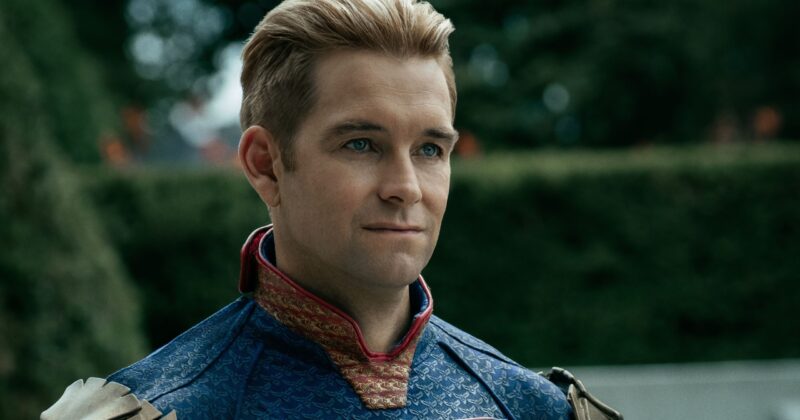
Homelander, portrayed with unnerving intensity by Antony Starr, has rapidly evolved from a twisted parody of the classic Superman archetype to a full-fledged representation of power unchecked. The show doesn’t shy away from the obvious comparisons to real-world figures associated with strongman politics, making Homelander’s actions a clear commentary on authoritarianism gone mainstream.
Season 4 left no room for subtlety: Homelander’s usurpation of the US government was both provocative and polarizing. The aftermath saw the show hit with review-bombing campaigns, a testament to the volatility of its themes and the audience’s highly personal responses. Its Rotten Tomatoes audience meter slipped to a series low — underscoring how art that pokes at real wounds will always spark fevered debate.
Satirical Storytelling with Real-World Stakes
For those behind The Boys, the hope is to spark more than just discomfort. Kripke has remarked that the truest function of such chilling satire is to serve as a wake-up call, not just a source of shock entertainment. ‘If audiences say, Oh wow, this is really happening, maybe that alarm is enough.’ But in the current climate — where fiction increasingly forecasts reality — there’s a palpable sense the show may both capture and catalyze public discourse.
What’s Next: Expansion and Unfiltered Political Drama
The upcoming season will bring back fan favorites: Karl Urban as Butcher, Jack Quaid as Hughie, Erin Moriarty as Starlight, Laz Alonso, Jessie T. Usher, Tomer Capone, Chase Crawford, and Karen Fukuhara. The season is expected to consist of eight episodes, each packed with sharp commentary and narrative twists that reflect the contentious world outside the screen.
The story universe is set to grow, with the Vought Rising prequel and fresh installments of Gen V (though Prime Video hasn’t yet confirmed another season for the latter). However, expect no easing up on the satirical intensity; if anything, the real-world echoes will grow louder as the show builds towards its crescendo.
The Boys Remains an Unflinching Mirror
The Boys stands as a unique intersection of superhero spectacle, social critique, and dark satire. For viewers seeking more than escapist fantasy, it offers a visceral, sometimes uncomfortable, reflection of the current moment. As its storylines continue to blur with headline-making events, the show proves that sometimes, the boldest predictions are the ones already waiting just offscreen.