The Bride! — Unraveling a Bold, Genre-Bending Finale
The Bride! detonates expectations with a finale that’s simultaneously enigmatic, explosive, and fiercely intelligent. Fusing horror, arthouse, homage to both classic Frankenstein films, and even the irreverence of Young Frankenstein, this movie is a modern tale reimagining the myth through the eyes of its women — and its monsters.
Frankenstein and The Bride: Lovers, Fugitives, Outsiders
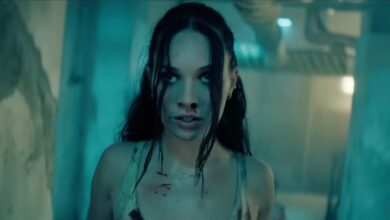
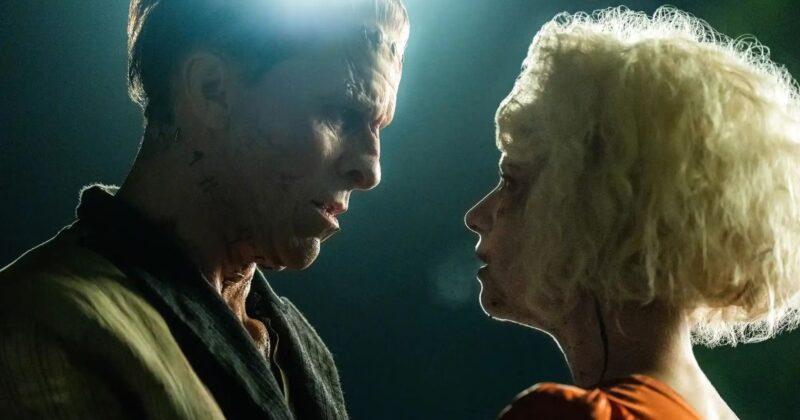
The story launches with a twist: Frank (Christian Bale), now bearing his father’s legacy, seeks out Dr. Euphronious to create a companion after enduring over a century of loneliness. The companion — raised from a pauper’s grave — is not a passive creation but an explosive force named Penny, Ida, or perhaps simply The Bride (a masterful Jessie Buckley). Their Bonnie and Clyde saga erupts when, after The Bride survives an attempted assault, Frankie murders her attackers and a cop falls in a desperate struggle. The duo becomes targets of a massive manhunt that grapples with more than just law — it questions who gets to resurrect, who chooses, and who controls.
A Second Chance… Or Just Another Tragedy?
After Frank is gunned down by police during a dramatic proposal scene — one rejected by The Bride with a chilling, poignant ‘I’d prefer not to’ — we witness the aftermath. The Bride, refusing to let go, drives Frankie’s corpse back to Dr. Euphronious. Her plea for another resurrection is denied. Everything comes full circle when the police burst in, gunning down The Bride in a hail of bullets, leaving both monsters dead side by side.
Yet the film refuses a clean ending. Detective Malloy (Penélope Cruz), outmaneuvering her chauvinist peers, clears the scene. Lights strobe, a thunderous boom echoes from the lab, and in the film’s mesmerising final shot, The Bride’s hand moves — as does Frank’s. Their hands lock together, suggesting resurrection. With swarms of police outside, escape seems impossible, but there’s hope shimmering — a suggestion that monsters, too, can rewrite their destinies, if only for a moment.
The Mary Shelley Enigma: Possession, Rage, and Agency
The mesmerizing ambiguity extends to the film’s spiritual layer. Buckley doubles as Mary Shelley in a surreal, monologue-heavy prologue, confronting the audience over the words and truths she couldn’t publish in her time. As the narrative unfolds, we see Mary Shelley seemingly possess Ida — who is then reborn as The Bride. Through this lens, every act of rebellion and violence becomes both ghostly vengeance and contemporary catharsis.
Certain moments, like the hallucinatory dance sequence or the naming of victims killed by a wealthy abuser (a role filled with chilling menace by Zlatko Burić), straddle reality and delusion. Mary Shelley’s spirit becomes a rallying cry for women whose stories were buried or ignored, making The Bride her avenging instrument to finally force the world to listen.
The Detective Duel: Corruption, Redemption, and a Shifting Power Structure
Amid the monster hunt, Peter Sarsgaard and Penélope Cruz play the investigative partners chasing The Bride and Frankie. Sarsgaard’s character, Det. Wiles, struggles with guilt and corruption, tangled by past transgressions involving Ida and his own role covering for crime boss Lupino. Contrasting him is Cruz’s Det. Malloy, a sharp, talented investigator overshadowed by her male colleagues. Wiles, seeking redemption, relinquishes his position to Malloy, symbolizing a generational handover — one woman rising where others have been crushed.
The Rejection: Why The Bride Refuses Marriage & What It Means
In a pivotal exchange, Frankie proposes to The Bride. Her gentle — but resolute — answer, ‘I’d prefer not to,’ echoes Melville’s Bartleby as much as Shelley’s subtext. Repeated by both Shelley and The Bride in moments of resistance, this line destabilizes the narrative of possession and gives The Bride power over her own fate. Her autonomy, her choice not to play the expected role, reframes the story of the monster’s mate as one of modern liberation. Frank’s smile on rejection solidifies this: he understands, perhaps for the first time, what true freedom for his companion means.
Power, Myth, and the Future of Monsters on Screen
With its blend of mythic horror, social commentary, and visual bravado, The Bride! stands out in contemporary cinema. It channels the energy of Mary Shelley’s legacy, the cryptic electricity of horror classics, and the modern need to interrogate who tells the story — and at what cost. Whether The Bride and Frankie ever truly escape or change their fates is left unknown, but their grip on each other — and on the audience — lingers long after the credits roll.