The Unexpected Revival of Slasher Films
The slasher movie genre, once defined by its familiar stalk-and-slash formula, is experiencing a creative rebirth. While iconic franchises like Halloween and Friday the 13th dominated for decades, waves of repetition led to a lull in innovation. Today, driven by visionary filmmakers and an audience hungry for surprises, slashers are emerging with inventive twists, pushing boundaries both narratively and stylistically.
Time Travel Meets Terror: A New Subgenre
Modern slashers are no longer content staying in the shadows of campgrounds and suburbia. Recent hits like Totally Killer on Prime Video and Netflix’s Time Cut play with timelines, allowing their protagonists to confront killers across decades. Totally Killer throws a sharp twist on nostalgia by sending its lead back to the 1980s, introducing both meta-commentary and intergenerational suspense. Kiernan Shipka’s performance anchors the clever blend of horror and period comedy, proving that slashers can thrive when they break the rules of time. Time Cut continues the trend, even if its critical response wasn’t as glowing, showing the subgenre’s willingness to experiment and grow.
Slashers Get a Comedic Edge
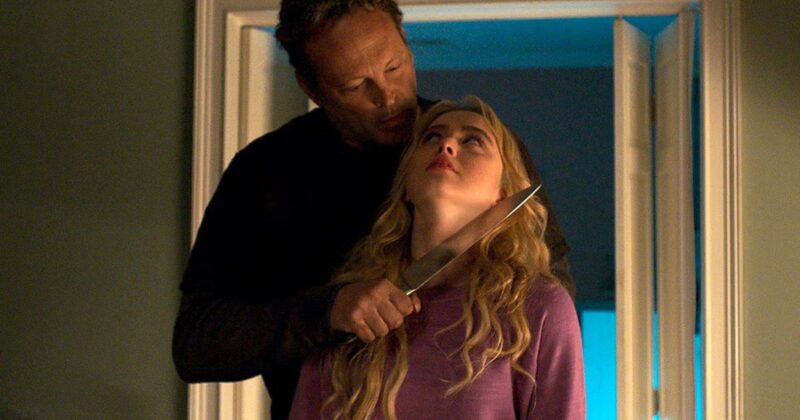
The fusion of horror and comedy isn’t new—Scream famously lampooned itself in the ’90s—but the 2020s amplify this blend. Bodies Bodies Bodies mastered the satirical whodunit, weaving humor seamlessly with gruesome suspense, all thanks to a dynamic young cast. Then, Freaky capitalized on the body-swap trope—think Freaky Friday with a serial killer. Kathryn Newton’s nerves collide with Vince Vaughn’s comedic menace in a film that is as unsettling as it is riotous. The Blackening and Heart Eyes further highlight the genre’s cultural awareness, directly addressing stereotypes and romantic tropes while delivering inventive, memorable kills. These films prove that sharp writing and genre-savvy scripts keep audiences off-balance—and entertained.
A Killer Perspective: Inventive Storytelling
Sometimes innovation means inhabiting the mind of the killer. In a Violent Nature, for instance, lets viewers see the story from the slasher’s silent, unsettling viewpoint. Director Chris Nash crafts a chilling, immersive experience that strips away the comfort of distance, forcing the audience directly into the predatory mindset. The film made waves on streaming platforms due to its originality and has a sequel in development, hinting at the rise of a groundbreaking new franchise in horror cinema.
Trilogies That Refresh the Formula
Franchises have always been a pillar of the slasher genre, but the latest trilogies take world-building to new heights. Netflix’s Fear Street adaptations, based on R.L. Stine’s beloved books, traverse different time periods: a ’90s slasher, a ’70s camp nightmare, and a supernatural trip back to the 1600s. Each film draws on genre touchstones while crafting its distinct flavor, making it a go-to recommendation for horror buffs. Meanwhile, Ti West’s X trilogy—comprising X, Pearl, and MaXXXine—propels actress Mia Goth into cult stardom. Her dual performances and the trilogy’s blend of vintage sleaze with dark, artful horror underline just how rich and complex modern slasher storytelling has become.
Reinvigorating Classic Icons
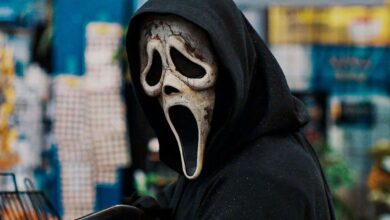
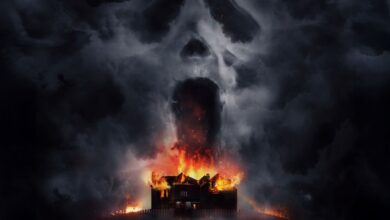
It’s not just new stories that are pushing the genre forward. Classic franchises are resurfacing, retooled and revitalized for contemporary audiences. Nia DaCosta’s Candyman update brought prestige and a fresh social lens, powered by a charismatic cast and DaCosta’s assured vision. The chilling echoes of the original are present—but the narrative is unmistakably current and urgent. In parallel, the beloved Scream franchise returned with new protagonists Sam and Tara Carpenter, introducing deeply personal stakes and clever genre parody for a new generation. These revitalizations prove there’s still plenty of life—and room for reinvention—in the tales of masked killers.
The State of Slasher Cinema Today
From streaming success stories to cult theatrical runs, the latest wave of slashers underlines the genre’s adaptability and enduring appeal. Whether through time-bending narratives, self-aware comedy, or bold perspective shifts, slasher films continue to challenge expectations and thrill both die-hards and newcomers alike. At a time when horror is more creatively diverse than ever, the slasher’s new era stands out—not as a nostalgic callback, but as a vibrant, forward-thinking force in pop culture.