Anime’s Global Boom and Hidden Perils
Anime has reached unprecedented popularity worldwide, with major streaming platforms reporting that up to half their users are tuning in. Once a cult passion, it now sits at the top of global entertainment trends, launching new hits each season and captivating diverse audiences. Yet, beneath this meteoric rise, Code Geass director Goro Taniguchi has sparked vital discussion on the sustainability of today’s anime ecosystem.
Goro Taniguchi: The Case for Original Anime
While celebrating the release of his latest film, Paris ni Saku Étoile, Taniguchi sat with Tokyo Shimbun to address a topic that resonates through the creative industry: the worrisome decline of original anime productions. Drawing on his experience with auteur projects like Code Geass, Taniguchi emphasized, ‘Adaptations have understandably become the norm, because they’re easier to secure a profit on. But I believe that, if left with nothing but adaptations, Japanese anime will be done for.’
Why Are Adaptations Now the Standard?
It’s no secret that recent anime blockbusters have their origins in manga—franchises like Demon Slayer, Jujutsu Kaisen, Chainsaw Man, Attack on Titan, and Spy x Family all began as celebrated manga. Their anime adaptations, often retaining built-in fanbases and extensive lore, deliver financial safety for studios. By contrast, original anime carries creative risk—often lacking the guarantee of an existing audience or established commercial success.
Anime Originals and Creative Identity
Taniguchi describes the distinction between adaptation and original creation as the difference between an ‘arranger’ and a ‘composer.’ Adaptation leans on existing narratives; originality forges entirely new worlds—think Neon Genesis Evangelion, Cowboy Bebop, or Puella Magi Madoka Magica. According to the director, creators flex different skills for each approach, with originals fostering new visual languages, character archetypes, and genre innovations that can redefine anime’s place in pop culture.
Notably, the frequency of standalone original anime projects has drastically dropped. Where previous anime seasons offered a balance between adaptations and originals, the last few years have focused overwhelmingly on manga-based franchises. It is now rare to see more than a handful of fully original anime debut in the span of a year.
What’s at Stake for Fans and Creators?
With adaptation-centric production cycles, talented directors and writers face limited opportunities to showcase their creative vision. For audiences, the risk is homogenization: while adaptations deliver polish and expand beloved universes, original anime is key to innovation, subverting expectations, and shaping new narratives that might not emerge from established IPs.
Anime’s ongoing evolution is powered by both commercial viability and creative daring. As Goro Taniguchi advocates, the pulse of the industry depends on opening the stage to more original projects—works that, like Code Geass, remind audiences of anime’s unique storytelling potential.
Discover Code Geass
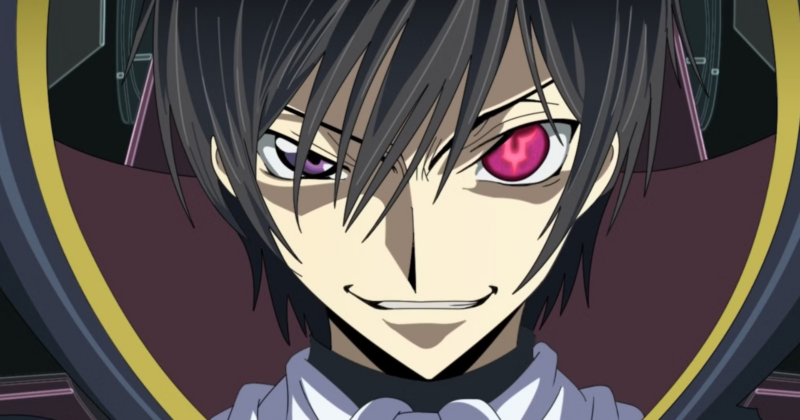
Code Geass: Lelouch of the Rebellion remains an iconic example of an anime-original experience, blending mecha, political intrigue, and dramatic twists. Those wanting to revisit or discover Taniguchi’s landmark series can stream the full franchise on Crunchyroll and other official platforms.