The Magic and Challenge of Remaking Ocarina of Time’s Hyrule Field
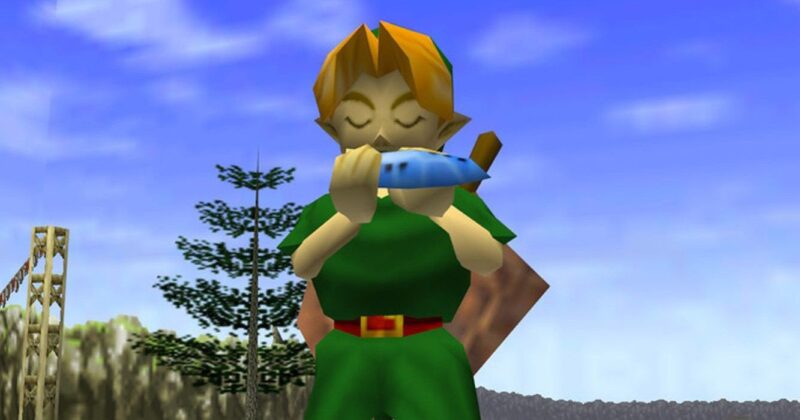
When talk of an official remake of The Legend of Zelda: Ocarina of Time erupts, few subjects stir as much debate as the potential redesign of Hyrule Field. As the connective tissue of the legendary adventure, Hyrule Field is more than just a scenic expanse—it’s a core memory for generations of players. The original made a profound impact, conjuring the illusion of a vast, open world at a time when 3D landscapes felt revolutionary. Today, the prospect of revisiting that iconic stretch raises a question that divides the community: should the remake just scale up the visuals, or overhaul its very sense of space and discovery?
Modern Expectations Collide With Nostalgic Design
Modern open-world design, epitomized by the sprawling lands of Breath of the Wild and Tears of the Kingdom, has dramatically shifted what players expect from Hyrule. For long-time fans, Hyrule Field’s contained size was perfect for the technology of its time—big enough to feel grand, compact enough to encourage finding Epona as your galloping companion. Newer audiences, however, may find the classic map underwhelming, especially if they arrive after being dazzled by the sweeping exploration of recent franchise entries. The sense of scale is now a moving target, shaped not just by nostalgia but by the genre’s evolving standards.
Redesign or Enhance: The Split Among Fans
While some advocate maintaining the original’s manageable size to preserve pacing and nostalgia, others see an opportunity for dynamic innovation. Suggestions swirl in community discussions—from introducing roaming NPCs and spontaneous events to entirely new environmental details that evoke a living, breathing Hyrule. Technical advances could make the field more than just a traversal hub; instead, it could invite exploration with ambient stories and hidden discoveries, akin to what modern RPGs deliver.
Fans note this remake could finally realize cut content from the beta development era, such as the more bustling, fully 3D Castle Town that’s often discussed as missed potential. With today’s hardware, more NPCs, detailed animations, and environmental storytelling are well within reach, opening endless possibilities for immersion.
Innovation vs. Faithfulness: Walking the Line
Crucially, a one-to-one remake isn’t just a technical challenge—it asks how much ‘faithfulness’ the community truly wants. Many players already have access to the N64 or 3DS editions, leading some to call for significant changes rather than a mere graphical facelift. The desire for familiar magic clashes with the excitement of potentially transformative features. Restoring hidden gems from Ocarina’s development, updating controls for new players, and embracing contemporary artistic flair are all on the table.
The Enduring Legacy of a Classic
The discussion around Hyrule Field’s redesign highlights a deeper truth: Ocarina of Time is not just a game, but a treasured piece of gaming history that continues to influence the genre. Whether Nintendo opts for minimal changes or bold reinvention, the remake’s handling of Hyrule Field will say as much about the evolution of game design as it does about preserving legacy. As the adventure that once redefined 3D action-adventure, any step forward is poised to spark conversation for years to come.