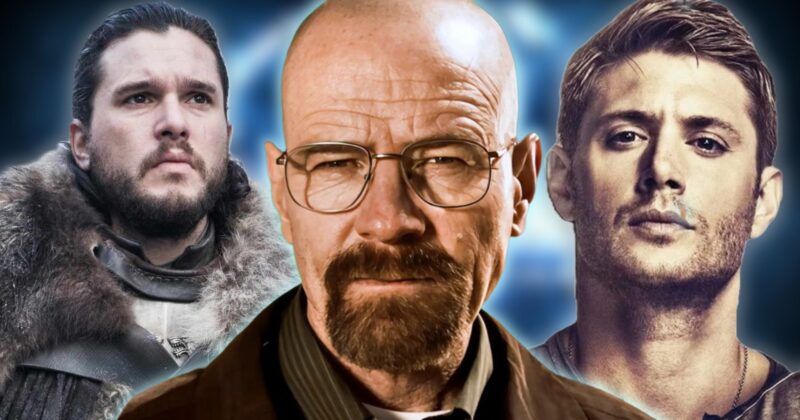
The Definitive TV Villain Introduction: Why Death’s Arrival in Supernatural Sets the Gold Standard

Unraveling the Most Iconic Villain Entrance in TV History
From epic fantasy to harrowing crime dramas, television has gifted viewers with formidable antagonists. Game of Thrones earned its reputation with unpredictable villains like Ramsay Bolton, while Breaking Bad transformed Walter White from a mild-mannered teacher to a chilling antihero. Yet, when conversations spark about the single greatest villain introduction in TV history, it’s not a Lannister or a cartel boss that commands the stage—it’s the cosmic entity known simply as Death in Supernatural.
The Power of Atmosphere: ‘Two Minutes to Midnight’ and the Arrival of Death
Supernatural’s fifth season, particularly the episode ‘Two Minutes to Midnight,’ delivers an entrance so meticulously crafted that it lingers in pop culture memory long after the credits roll. Rather than introducing another mustache-twirling foe, the series elevated the stakes to apocalyptic heights by unveiling one of the Four Horsemen: Death.
As the screen fades in, the haunting voice of Jen Titus envelops the viewer with her custom take on the folk song ‘O’ Death.’ This auditory choice isn’t random—its raw, Appalachian roots evoke a primal sense of inevitability, setting the tone for a scene both chilling and graceful. Fans often highlight Titus’ performance as a soundtrack moment that genuinely augments the visual storytelling, a rare feat in episodic TV scoring.
Cinematic Parallels: Visual Storytelling and Literary Symbolism
The directorial team behind Supernatural didn’t rely solely on dialogue or spectacle for impact. Instead, Death drives onto the screen in a pristine white 1959 Cadillac Series 6200 Coupe—Subtly referencing Revelation 6:8, where Death rides a pale horse as apocalypse nears. This detail is a masterclass in symbolic visual storytelling, seamlessly blending biblical lore with modern pop culture icons.
Portrayed by Julian Richings, Death emerges from the vehicle—his appearance understated yet captivating. Clad in all black, gaunt yet striking, Richings embodies the inevitability and calm dread associated with the character. His walk through a bustling city street, ignored by most, both humanizes and elevates the entity. It’s a juxtaposition rarely seen in villain portrayals: immensely powerful, yet moving with the out-of-place grace of someone resigned to their eternal role.
Subtle Threat, Absolute Power
The encounter shifts from atmospheric to terrifyingly tangible when a passerby carelessly bumps into Death. The character’s simple gesture of brushing the contact away—soon followed by the pedestrian’s sudden collapse—functions as a wordless display of his omnipotence. With lyrics echoing ‘My name is Death, and the end is near,’ the entire sequence becomes an unforgettable blend of subtle menace and supreme power.
This restrained display stands in contrast to the more explosive villain reveals in other genre-defining shows. Instead of grandstanding or violence, Death’s menace is conveyed through pure presence and implication—demonstrating that, sometimes, the greatest power lies in what’s left unsaid.
Why Other TV Legends Can’t Compete
While debates rage online—fans of Breaking Bad and Game of Thrones fiercely defend their series’ legacies—Supernatural quietly holds the crown for best villain introduction. Unlike villains whose intros rely on gore or spectacle, Death’s arrival resonates because it taps into something timeless: the universal fascination and fear of mortality. The moment’s success isn’t about violence or visual effects, but the interplay of music, performance, and symbolic storytelling.
The passage of time since the episode’s premiere hasn’t dulled its influence. Discussions resurface with every new acclaimed show, yet Death’s entrance remains the benchmark against which new challengers are measured. The legacy endures not because it’s the loudest or most shocking, but because it’s the most hauntingly human.