The Cinematic Evolution of War on the Big Screen
For over a century, war movies have served as a mirror reflecting both the brutality and complexity of global conflicts. From silent films inspired by early American wars to groundbreaking, visceral storytelling set against World War backdrops, each decade has delivered pivotal entries that pushed the genre—and audiences—forward.
The Pioneering Humanism of All Quiet on the Western Front
The silent and early sound era brought war sagas, but few have had the lasting impact of All Quiet on the Western Front. What set it apart was its unflinching portrayal of young German soldiers. Presented not as villains but as manipulated youths, the film dissected the devastating loss of innocence—a perspective so controversial it faced government bans in Germany for decades. With a critical rating that still hovers near perfection, this is a raw deflation of any romanticized war myth, etching an anti-war message that reverberates through film history.
She Wore a Yellow Ribbon: Seeking Peace Over Battle
Western iconography met mediation in She Wore a Yellow Ribbon, where John Wayne plays a weary cavalryman striving to prevent conflict rather than ignite it. This classic does not dwell on grandiose battle sequences but instead explores aging, duty, and the moral imperative to stop a bloodbath before it begins. Its authenticity resonated far beyond Hollywood, with figures like General MacArthur reportedly watching monthly screenings—a testament to its narrative power and its unique stance in war cinema.
Kubrick’s Ruthless Critique in Paths of Glory
When Stanley Kubrick adapted Paths of Glory, he shifted the focus from traditional frontline chaos to the cold machinations of military bureaucracy. Kirk Douglas delivers a powerhouse performance, fighting a battle not just against external foes but the cruel indifference and self-preservation of commanding officers. Based on true events, the film peels back the façade of heroism to reveal the psychological torment faced by those considered expendable by their own leaders—a theme that would influence decades of anti-war storytelling.
Absurdity and Satire: Dr. Strangelove Redefines the Genre
Stanley Kubrick didn’t merely revisit war; he lampooned it. Dr. Strangelove or: How I Learned to Stop Worrying and Love the Bomb is a masterclass in black comedy. Its portrait of a world on the brink due to pride, paranoia, and sheer human error remains as relevant in today’s nuclear age as ever. The antics inside the American war room, coupled with Peter Sellers’ shape-shifting performances, reveal how the fate of humanity can rest on the absurdities and insecurities of those in command.
Apocalypse Now: Descent into Madness
After exploring organized crime, Francis Ford Coppola delivered perhaps the most ambitious wartime odyssey with Apocalypse Now. Loosely inspired by Joseph Conrad’s ‘Heart of Darkness’, the film follows a harrowing journey up the river into both physical and psychological inferno. The project itself became legendary for its troubled production—mirroring the chaos it depicts—but the final product is an enduring lens on the madness of Vietnam, blending psychedelic terror with philosophical depth.
Platoon: The Vietnam War from a Soldier’s Eye
Unlike many war films crafted at a historical remove, Oliver Stone’s Platoon is born of first-hand experience as Stone himself fought in Vietnam. Brutally realistic, it thrusts viewers into the boots of a conflicted young soldier and a unit spiraling into mistrust. The cast—featuring Charlie Sheen, Willem Dafoe, and Tom Berenger—delivers intensity and authenticity that frames the war as a horrifying quagmire, with no possibility of a traditional victory and only a trail of psychological scars for survivors.
Saving Private Ryan: Raw Reality on the Shores of Normandy
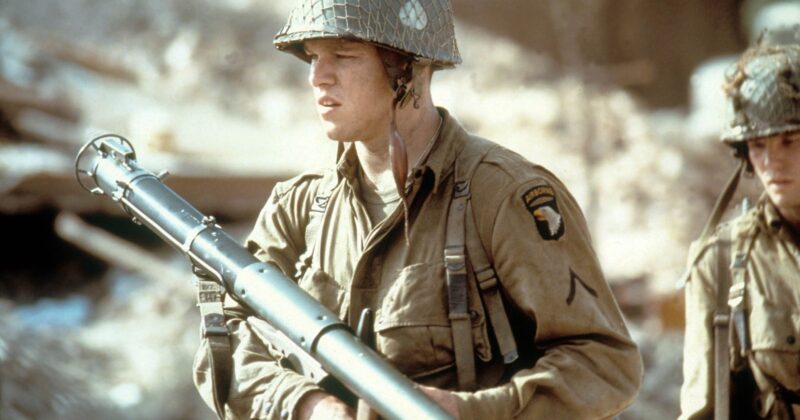
Steven Spielberg revolutionized battle sequences with Saving Private Ryan. The film’s opening—an extended, unsparing depiction of the D-Day landings—set a new benchmark for realism. Its intensity is so overwhelming it borders on documentary, yet the narrative doesn’t stop at spectacle. The journey of Captain Miller (Tom Hanks) leading his squad to extract one man in the chaos of World War II questions the price of both duty and humanity, personalizing the titanic scale of global conflict with intimate, emotional stakes.
These films are not just period pieces; they’re enduring works that challenge, provoke, and illuminate. As technology changes how wars are fought and remembered, the best war movies of each era have continued to adapt—making sure the wounds, choices, and lessons are never forgotten in the digital age.