The Documentary Films That Changed Cinema and Society: 10 Unmissable Masterpieces You Need to See

Discovering the Masterpieces: Documentary Films That Redefined Storytelling
The evolution of documentary cinema over the past century has not merely paralleled the growth of the broader film industry—it has actively redefined what movies can accomplish. These films don’t just show us the world; they offer new ways to understand it, breaking the boundaries between art, journalism, and activism. With visual ambition and daring narrative techniques, the finest documentary features have resonated far beyond the theater, stirring debate, influencing policy, and lighting up our collective imagination.
Blurring the Line Between Nature and Obsession: Grizzly Man
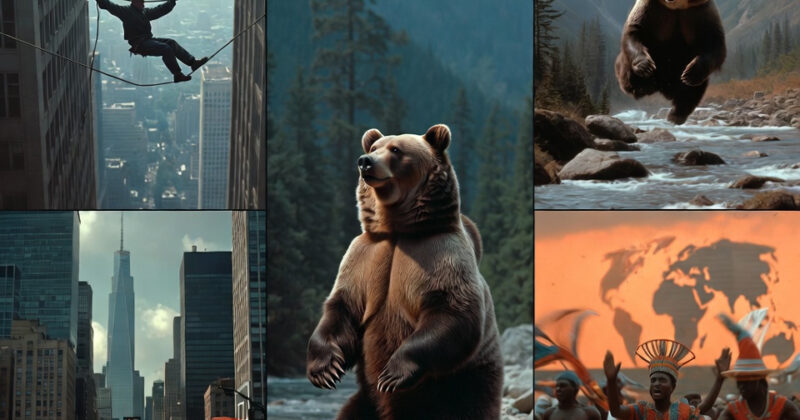
Werner Herzog’s Grizzly Man stands as a haunting meditation on humanity’s often fraught connection with the natural world. Using footage shot by Timothy Treadwell—a passionate environmentalist who lived among Alaskan grizzly bears for more than a decade—Herzog crafts a portrait that is equal parts compassion and critique. The director’s signature narration rejects any hint of naïve romanticism about the wild, allowing viewers to witness the fatal collision of idealism and the indifferent forces of nature. The result is a film that is as philosophical as it is visually arresting, challenging the audience to confront mortality, loneliness, and the limits of human understanding.
Exposing the Cost of Entertainment: Blackfish
The impact of Blackfish radiated far beyond the screen, directly shifting the way society views marine entertainment institutions. Directed by Gabriela Cowperthwaite, the film meticulously unravels the story of captive orca Tilikum and exposes the disturbing realities behind the aquatic show industry. By expertly blending dramatic tension with devastating testimonies from trainers, Blackfish transformed public opinion, causing significant commercial repercussions for marine parks and pushing animal welfare into mainstream dialogue. Its most profound achievement lies in its disciplined, urgent storytelling—a model of documentary craft and investigative journalism that remains fiercely relevant to this day.
Epic Scale, Human Stories: Hoop Dreams
Hoop Dreams, directed by Steve James, transcends the traditional boundaries of the sports documentary. Chronicling the lives of two Chicago teenagers pursuing the dream of NBA stardom, its nearly three-hour scope allows for an intimate, immersive portrayal of ambition, family, and systemic inequality. What sets Hoop Dreams apart is its patient, unvarnished approach—the audience follows real lives as they unfold unpredictably, bearing witness to emotional highs and heartbreaking disappointments. The film’s influence persists today, having set the standard for depth and empathy in nonfiction sports storytelling.
Visual Symphony Without Words: Samsara
For those who believe documentary cinema is defined by its narration, Samsara is a revelation. Ron Fricke’s masterpiece delivers a global journey across twenty-five countries with zero dialogue, letting the richly detailed, 70mm visuals speak volumes about life, spirituality, and the modern world. Juxtaposing sacred rituals with mechanized cities—and beauty with entropy—it invites viewers to lose themselves in the rhythms of humanity and nature. Instead of steering interpretation, it encourages contemplation, evoking poetry through pure visual storytelling and immersing the audience in a meditative experience rarely matched in any genre.
The Eco-Thriller Turned Game-Changer: The Cove
The Cove operates with the nerve and suspense of a noir thriller, yet its subject—the covert slaughter of dolphins in Taiji, Japan—could not be more real or urgent. Director Louie Psihoyos and activist Ric O’Barry’s clandestine investigation, using hidden cameras and night-vision technology, allows the audience to feel every moment of danger and revelation. Its synthesis of activism and storytelling doesn’t settle for raising awareness; it compels action. The film’s global recognition and award success are a testament to documentary filmmaking’s power to drive real-world change.
Pure Visual Majesty: Baraka
Before Samsara, there was Baraka. Ron Fricke’s earlier epic remains a non-narrative touchstone, sweeping across six continents to showcase both the sublime and the troubling facets of human civilization. Through hyper-detailed cinematography and a stunning soundtrack, Baraka prompts reflection on what unites and divides us, leaving viewers both awestruck and uneasy. Without a word spoken, it achieves a scale and impact that most dialogue-heavy movies can only dream of.
Personal Grief, Universal Rage: Dear Zachary: A Letter to a Son About His Father
Kurt Kuenne’s Dear Zachary is among the most emotionally overwhelming documentaries ever made. What begins as a heartfelt tribute to a murdered friend becomes, in the unfolding of real-life events, a searing critique of legal and bureaucratic failings. The filmmaker’s naked vulnerability and unprecedented access to family and friends make each revelation hit with devastating force. This is not merely a film—it is a cathartic outcry, a testament to the power of personal storytelling to spark debate and drive calls for systemic change.
The Art of Ambition: Man on Wire
Few documentary features have captured sheer audacity like Man on Wire. James Marsh’s film chronicles Philippe Petit’s legendary 1974 tightrope walk between New York’s Twin Towers, framing the act as a cinematic heist. Interviews, archival footage, and reenactments blend together into a narrative that is as thrilling and suspenseful as the best fiction. The film’s enduring status comes from its celebration of creativity, courage, and the irresistible human urge to reach for the impossible.
Together, these documentary masterpieces offer not only a survey of the genre’s technical brilliance, but also a window into the times and cultures they chronicle. They remind us that truth—and the quest to document it—remains one of cinema’s greatest artistic frontiers.