Understanding the Heart of The Drama: Emma’s Secret Unveiled
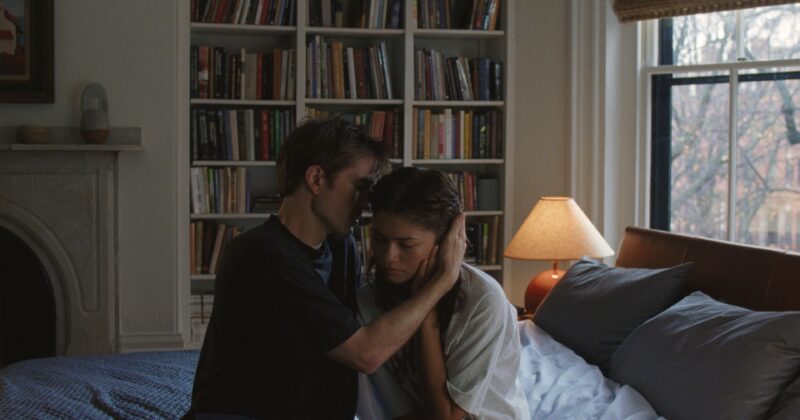
The Drama invites viewers to a tense mix of emotional candor and unsettling revelations, centering on Emma and Charlie, a couple whose engagement unravels in real time before their friends—and the audience. Zendaya delivers a tour de force as Emma, whose confession at a wine-fueled gathering sends shockwaves through every character on screen. What begins as a playful drinking game rapidly devolves into a chilling exposé when Emma admits to having once planned a school shooting as a teenager, a secret that sharply reframes her relationship with Charlie and the core dynamics of the film.
Emma’s Teenage Ordeal: The Anatomy of a Near-Tragedy
Emma’s backstory, revealed through a blend of dialogue and unflinching flashbacks, strips away the protective layers of a dramedy for a portrait of a tormented teen. After moving to a new town, Emma was subjected to moderate bullying, leading to feelings of isolation and fury towards her peers and the world at large. Her fascination with stories of real-world mass shooters found an outlet on the internet, where she meticulously researched prior cases and hatched her own plot, even going so far as to practice with her father’s gun in the woods. This reckless moment resulted in permanent hearing damage—a subtle, powerful clue the movie seeds early on.
Emma’s confession comes with personal regret and raw honesty. Her defensive nature about her looks and past are no longer quirks, but signals of unhealed wounds that drove her to the brink. The ripple effects are immediate. Charlie, whose passivity contrasts with Emma’s old resentments, must suddenly reevaluate the entire foundation of their intimacy and his own shortcomings as a partner.
Why Emma Stopped—and What Changed Her
The film refuses to sensationalize Emma’s past. Her failure to act comes not from a moral breakthrough, but an odd twist of fate: a shooting in another part of town occurs on the very day she intended to carry out her plan. Emma is forced into self-reflection, her urge to achieve notoriety squashed by the horror of real-world violence landing so close to home. In a cathartic school memorial, she is confronted with the cost of violence—not just to victims, but to an entire community. This leads to genuine remorse and the start of her transformation, as she is drawn into activism and finds belonging among gun control advocates.
Critically, The Drama doesn’t let Emma off the hook. Even deeply personal redemption can look performative to those who have experienced trauma, as shown through Rachel’s scorn—a character whose cousin was directly impacted by a mass shooting. Yet, the flashbacks underline Emma’s self-awareness and her intentional choice to form real connections—showing true growth instead of calculated manipulation.
Charlie’s Inner Conflict: Imperfection on Display
While Emma’s secret defines the movie’s trajectory, Charlie’s struggle to process and forgive is equally prominent. He too has dark marks in his past: lies, emotional cowardice, and an admission of having bullied others online as a teen. As he cycles through denial, anger, and confusion, he witnesses his fiancée transformed in memory—constantly overlaying her present self with the image of a teenage would-be shooter. His turmoil even edges him towards an affair with his coworker, Misha, as he fails to confront his own flaws with the same honesty he demands from Emma.
The narrative crafts a familiar but brutal question: Can we move forward when those we love reveal their worst selves? Charlie’s journey is a study in empathy and the pitfalls of self-righteousness; while his sins pale in comparison, he struggles far more with acceptance and forgiveness, both of others and himself.
The Climactic Diner Scene—A Reset or a Reckoning?
In the final act, Charlie—physically battered after a confrontational brawl—finds himself at the very diner Emma once mentioned. Instead of melodramatic reconciliation, viewers witness a moment of narrative brilliance. Emma surprises Charlie not with an apology, but with a roleplay, introducing herself as a stranger. What at first glance seems playfully seductive is heavy with meaning: Emma had suggested this same game earlier, but Charlie, still raw from her confession, refused to participate. Now, however, both characters lean into the fantasy, suggesting a tentative mutual willingness to rebuild from ground zero, carrying their past but not letting it define their potential future together.
The Drama stands as a genre-pushing meditation on guilt, consequence, and radical empathy. In an era where narratives about trauma and redemption often fall into formula, the film subverts expectations, leaving viewers with questions, not easy answers.