The End of Bluepoint: A Turning Point for PlayStation Remakes and the Future of Iconic Franchises

The Unexpected Closure of Bluepoint Games
Few studios have held as much sway over the identity of PlayStation as Bluepoint Games. Directly shaping the landscape of Sony’s exclusive library, Bluepoint earned its reputation by setting a gold standard for game remasters and remakes. Despite being acquired by PlayStation in a widely celebrated move, the company’s decision to close Bluepoint has sent shockwaves throughout the industry—especially as it comes at the height of the studio’s creative power.
From Polished Remasters to Next-Gen Remakes
Bluepoint’s legacy is built on an impressive list of projects that redefined what players could expect from remastered classics. Their portfolio reads like a history of PlayStation’s most cherished franchises: God of War Collection reinvigorated Kratos’ brutal adventures for a new audience, The Ico & Shadow of the Colossus Collection brought two PlayStation 2 masterpieces into the HD era, and the Metal Gear Solid HD Collection reintroduced tactical espionage to a new generation. Uncharted: The Nathan Drake Collection reminded players of the joys (and heartbreaks) of globe-trotting adventure, and Gravity Rush Remastered showcased the enduring charm of creative, gravity-defying gameplay.
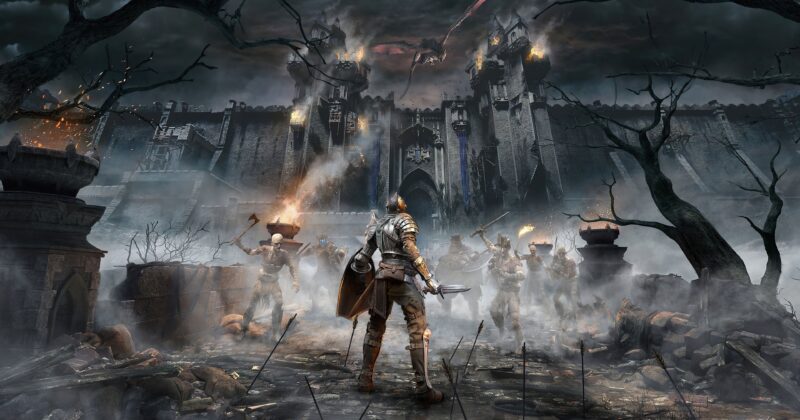
But it was Bluepoint’s full-fledged remakes that set them apart. The Shadow of the Colossus remake for PS4 was a visual and technical marvel, and its approach to respectful restoration became a template for the industry. Yet nothing prepared players for their magnum opus: Demon’s Souls for PS5. This launch title was more than an upgraded classic—it was a tentpole for next-gen gaming, boasting visuals and performance that pushed the hardware and reimagined the original cult hit with meticulous attention to detail.
A Tragic Loss for PlayStation’s Remake Ambitions
It’s difficult to overstate what PlayStation loses with Bluepoint’s shutdown. As the creator of some of the most enduring remasters and remakes, the studio occupied a vital niche in Sony’s ecosystem. Remakes and remasters have grown from a secondary pursuit into a core pillar for modern consoles, yet with Bluepoint gone, PlayStation’s ability to consistently deliver premium reimaginations for beloved franchises takes a massive hit.
Rumors abounded that Bluepoint had been redirected away from their signature craft to attempt a live-service God of War project—a pivot that seems ill-fated considering the studio’s established strengths. Amidst shifting priorities and several high-profile live-service cancellations at Sony, it’s notable that some of PlayStation’s most celebrated first-party teams, including Santa Monica Studio and Naughty Dog, are doubling down on single-player blockbusters. Why Bluepoint wasn’t allowed to do the same remains a hot topic within the gaming community.
Missed Opportunities and the What-Ifs of PlayStation History
As fans continue to clamor for modern updates of legendary titles—just imagine a Bloodborne remake as a flagship release for future hardware—the void left by Bluepoint looms large. Given their track record, the potential was limitless: revitalizing classic IPs, ensuring their technical preservation, and giving both new and returning players a chance to experience PlayStation’s golden years with state-of-the-art presentation.
Other PlayStation studios, like Housemarque, have received the green light to innovate within their strengths, delivering new IPs like Saros. Bluepoint, meanwhile, could have become the undisputed specialist for remakes and remasters, forever enshrining PlayStation’s legacy in the evolving gaming landscape.
The Legacy of Bluepoint’s Technical Mastery
What distinguished Bluepoint remakes from the rest was the studio’s vision for how to blend nostalgia with modern gameplay and design. Their approach to Demon’s Souls went beyond graphical fidelity; they set new benchmarks in audio, environmental storytelling, and intuitive controls—qualities often admired but rarely perfected. While some studios, like Naughty Dog with The Last of Us Part I, have shown how to modernize beloved properties, the industry at large recognizes Bluepoint’s unique ability to breathe new life into the familiar while honoring the original vision.
Now, as demand for expertly crafted remasters and remakes reaches an all-time high, Bluepoint’s absence is both an industry loss and a cautionary tale about how corporate decisions can reshape the future of video game history. The next PlayStation remakes have an enormous legacy to uphold, and fans will be watching closely to see who can rise to the occasion in a post-Bluepoint landscape.