The Irresistible Absurdity of The Far Side’s Early Panels
When it comes to cult-classic comics, few properties hold as unique a legacy as The Far Side. Gary Larson’s vision reimagined everyday life through a lens so eccentric and unexpected, it set new standards for single-panel humor. From intelligent cows orchestrating historical disasters to government agents measuring presidents’ spin ability, each comic was a self-contained universe where the ordinary became delightfully bizarre.
Ducks, Cows, and a World Turned Inside Out
One of the earliest recurring motifs was the criminalization of ducks, an idea as ludicrous as it is ingenious. Picture a gritty stakeout—not for drugs, but for ducks. The humor here is multilayered: Larson places hard-nosed detectives into a noir scenario, then swaps the object of their investigation for a harmless animal. The reader, in turn, is invited to fill in the stereotypical police procedural voice, making every retelling just a bit more personal and memorable.
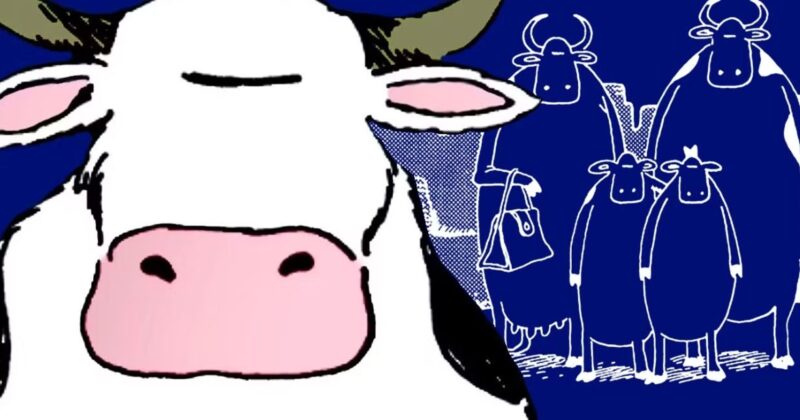
Larson’s fascination with cows, meanwhile, became a cornerstone for The Far Side’s enduring appeal. The panel reimagining the Great Chicago Fire as a covert bovine operation is not just clever revisionism, but an early sign of Larson’s willingness to play with history, myth, and the very perception of animal intelligence. Cows gazing on with smug expressions as Chicago blazes below instantly established them as the unlikely anti-heroes of Larson’s world.
Political Parody, Without the Weight
Occasionally, The Far Side dared to tread the waters of politics, though always with its trademark surreal tilt. One unforgettable example imagines a U.S. President spinning wildly in his chair, challenged by an official to match his predecessor’s dizzying record. Unlike traditional editorial cartoons, Larson’s take is so divorced from headline news that it feels more like mocking the institution itself rather than any individual. It’s a low-stakes jab, mischievous and brief—a testament to the strip’s preference for the whimsical over the didactic.
Mysteries, Misadventures, and Visual Punchlines
Detective stories are another pillar of The Far Side’s formative years. In one standout case, a murder at a carousel is investigated by two trench coat-wearing detectives oblivious to the obvious guilt in the carousel horses’ wide, terrified eyes. It’s a masterclass in wordless storytelling, leveraging nothing more than exaggerated eyes to communicate both fear and a comedic hint of sentience.
Larson’s sense of timing is evident in panels that capture the precise moment disaster strikes an unsuspecting character. One classic features a UFO enthusiast who finally snaps the perfect photo—just before their triumph is ruined by a mother bursting in with milk and cookies. The laser focus on the ‘second before failure’ makes the gag universally relatable, elevating an everyday interruption into cosmic tragedy.
Dark Ironies and Technical Brilliance
It wouldn’t be The Far Side without its signature blend of irony and dark humor. A doomed sign painter finishes spelling out ‘Danger: Quicksand’—just as he disappears into it. The visual gag lands not just because of the fantastic timing, but also the tacit commentary on human obliviousness. Quicksand, far from fading into obscurity, recurs throughout Larson’s work, each time with a new tragicomic twist.
But perhaps what makes The Far Side so enduring is its effortless ability to communicate volumes without a single word. A panel featuring a dog joyfully sticking his head out of a car window—while the dog is the one driving—requires no caption. It’s a sublime reversal of roles, immediately intuitive, and universally funny.
Why The Far Side Still Matters
So much of what made these early comics so compelling remains relevant today. Larson’s unconventional narratives presaged a whole generation of web comics and animated shows that thrive on incongruity and surprise. For anyone passionate about the intersections of culture, media, and humor, these early Far Side panels are essential viewing, as inventive and resonant now as the day they first appeared in print.