The Essential Flash Rogues Gallery: Legends and Nemeses
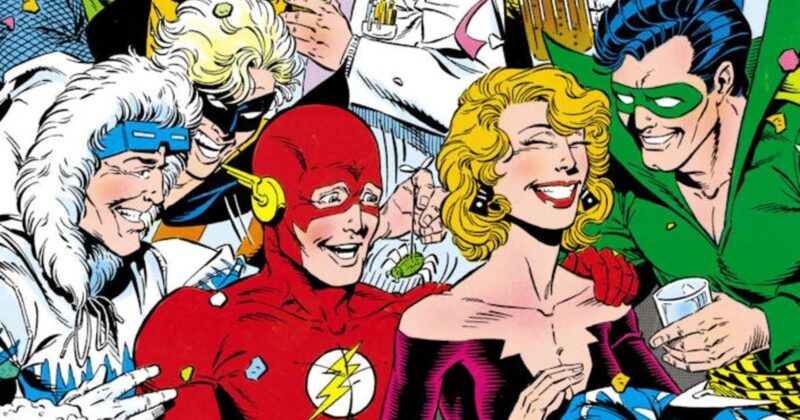
Every compelling hero has a pantheon of unforgettable adversaries, and The Flash is no exception. Whether you grew up reading Barry Allen, Wally West, or beyond, the Scarlet Speedster’s rogues have left an indelible mark on comic book history. Each villain offers a unique psychological challenge that explores themes of obsession, tragedy, and the blurred lines between heroism and villainy. Let’s explore the rich tapestry of villains that make the Flash’s world so remarkable.
Reverse-Flash: The Ultimate Obsession
A villain who transcends the usual motivations, Reverse-Flash—Eobard Thawne—is one of the purest illustrations of obsession in comics. Unlike other supervillains bent on domination, Thawne is consumed by a personal vendetta against Barry Allen. His manipulation of the Speed Force threatens the very fabric of time, and his most heinous act—murdering Iris West by vibrating his fingers into her skull—remains one of comics’ darkest moments. His vendetta is intensely personal, proving a dangerous paradox: the closer he gets to his goal, the emptier he becomes.
Captain Cold: Code of the Rogue
Leonard Snart—or Captain Cold—epitomizes the complexity of Flash villains. He’s more than a criminal mastermind with a cold gun: he holds a sense of honor among thieves. While he refuses to kill unless absolutely necessary, Captain Cold has repeatedly stepped up to defend Central City itself from greater threats. This moral ambiguity even leads him to at times align with Flash against common dangers. Snart is an anchor for the Rogues, a leader who plays by his own rules and brings a tangible humanity to the gallery of foes.
Zoom: Tragedy in the Timestream
Born from tragedy, Hunter Zolomon (Zoom) is the personification of trauma weaponized. After experiencing personal loss, Zolomon believed that only by making Wally West suffer as he did could he forge the greatest possible hero. Zoom’s manipulation of time, and his responsibility for Linda Park’s miscarriage, put him among the most psychologically tormenting enemies ever faced by The Flash. His impact on the mythology is both personal and profound, forever altering the trajectory of the Flash Family.
Abra Kadabra: Magic Meets Futurism
Blurring the boundaries between science and sorcery, Abra Kadabra brings advanced 64th-century technology disguised as magic to torment the Flash. His primary desire? Adulation and fame. Kadabra’s narrative arcs often dive into themes of dictatorship and resistance—he is, after all, a fugitive revolutionary. His sophisticated illusions and his need for recognition demonstrate that the greatest threats are sometimes those looking for the world’s applause just as much as its downfall.
Grodd: Simian Genius Unleashed
Pitting Grodd—the hyper-intelligent, mind-controlling gorilla—against the world’s fastest man may seem unusual, but their battles are legendary. Grodd’s blend of animalistic brutality and genius-level intellect is the stuff of classic sci-fi. Whether commanding armies of animals or rampaging through Central City, Grodd symbolizes nature unleashed and intelligence corrupted. His fights with Flash are always unpredictable, sometimes even verging into full-blown kaiju territory.
Weather Wizard: Elemental Power, Human Flaws
Armed with a weather-controlling wand built by his slain brother, Mark Mardon never quite taps into his true potential. Despite being capable of devastating natural disasters, Weather Wizard is more concerned with notoriety and riches than world domination. His relatability as a flawed, reluctant villain with a formidable weapon brings authenticity to his character, and his continued rivalry with Flash is defined by his failure to realize how powerful he really is.
Pied Piper: Redemption Song
Among the most interesting of the Rogues is Pied Piper. Once a villain, Piper is now better known as an ally to the working class and the downtrodden of Central City, and famously one of the first openly gay superheroes in mainstream comics—a role that earned significant recognition in the industry. His ability to oscillate between roles, and his deeply individualistic persona, mark him as an enduring and nuanced character within the Flash mythos.
Trickster: The Art of the Con
James Jesse—the Trickster—is a testament to the Silver Age’s love for elaborate, quirky villains. His airborne acrobatics, inventive gadgets, and, most importantly, his penchant for outsmarting both law enforcement and fellow criminals make him a memorable foil. His legendary con against the demon-lord Neron is as legendary as any caper, showing he’s playing a longer and riskier game than most.
Savitar: The Speed God’s Paradigm Shift
Though Savitar’s impact on the Flash mythos is concentrated, it is seismic. Declaring himself the ‘God of Speed,’ he reshaped how the Flash Family sees their connection to the Speed Force. Savitar’s army of speed ninjas and his relentless pursuit of speed remade the rules of the speedster subset in DC comics, making him a singular threat whose influence extends well beyond one storyline.
Why Flash’s Rogues Matter
The Rogues aren’t just antagonists—they’re an institution. Their shifting loyalties, complex moral boundaries, and ties to Central City elevate them above standard supervillain fare. In a modern landscape where comic book adaptations vie for fresh stories and fan devotion, the Rogues remain a treasure trove of charisma, challenge, and emotional resonance. From cosmic plots to street-level heists, no hero’s world feels quite as alive as The Flash’s—thanks in no small part to the colorful, conflicted gallery of rogues who run beside and against him.