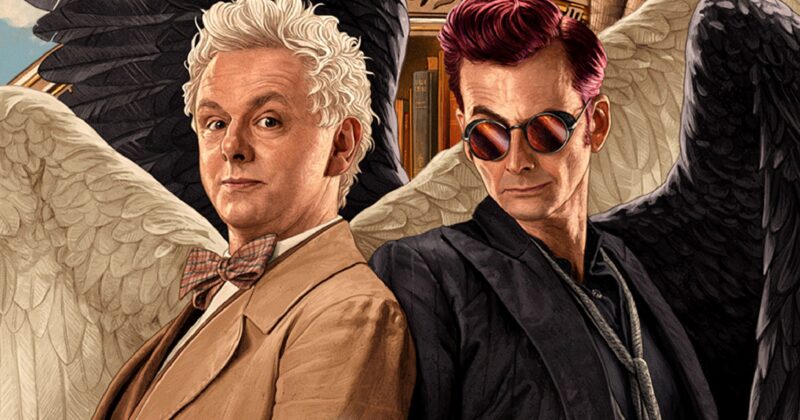
The Genius Meme Easter Egg in Good Omens’ Latest Graphic Novel Adaptation

A Divine Joke Hidden in the Pages of Good Omens
The new Good Omens graphic novel by Colleen Doran delivers on its promise to honor both the mischievous wit of Neil Gaiman and the razor-sharp satire of Terry Pratchett. But for fans who love to spot the cleverest references, there’s a hidden gem tucked away that transcends literary tribute—an easter egg that taps straight into the veins of internet culture.
The Olympian Meme That Dances Through Hell
In a standout moment, Doran cleverly illustrates a demonic dance scene, comparing it to a ‘British group in the Eurovision song contest.’ Sharp-eyed readers, though, catch that one demon in the background is mid-breakdance, flawlessly performing what’s affectionately known online as the ‘Kangaroo pose.’ This isn’t just creative choreography—it’s a one-for-one reference to Rachael ‘Raygun’ Gunn’s viral breakdancing performance at the Paris Olympics, a routine that set the internet ablaze with memes and admiration. At first glance, some might recognize a nod to Michael Jackson’s ‘Thriller,’ but this pose’s origin is unmistakably Raygun—a pure product of meme culture injected into the heart of the story.
The narration’s dry humor—joking that ‘demons aren’t bound by physics’—echoes the endless meme threads that Raygun’s Olympic routine inspired. While other demons contort themselves into wild poses, it’s the viral meme move that steals the page, a nod that’s both blink-and-you’ll-miss-it and thrillingly on point for 2026’s online audience.
Memes in Comics: A New Tradition of Pop Culture Fusion
Comics, manga, and graphic novels have an impressive history of embracing internet memes, weaving them into stories and artwork as tips of the hat to pop-savvy readers. This isn’t a passing trend—it’s becoming an essential storytelling tool for creators who know their audiences are just as likely to scroll Twitter as they are to flip through a new issue.
- Deadpool famously brought the ‘Pepe Silvia’ conspiracy meme from It’s Always Sunny in Philadelphia to life in a notorious red-string-board panel—a perfect fit for the character’s meta antics.
- The Defenders snuck in the legendary ‘Loss’ meme from the webcomic Ctrl+Alt+Del, reimagined in a hospital scene with Luke Cage and Jessica Jones, a wink to readers fluent in web humor.
- Even Yo-Kai Watch manga couldn’t resist: sharp-eyed fans spotted a recreation of the classic ‘Supa Hot Fire’ rap battle meme among its panels, transforming a Vine phenomenon into a hidden treat for enthusiasts.
The lines between comics and internet culture are blurring more than ever. Cast your eyes to the pages of recent Spider-Verse releases—the ‘Spider-Man pointing’ meme is no longer just a running joke, but a canonical moment in Spider-lore. Even outside comics, gaming gets in on the action: in Sonic the Hedgehog 3, Shadow the Hedgehog’s affinity for watching Latin American telenovelas is straight out of meme territory, folding layers of internet humor into mainstream storytelling.
Why These Hidden Jokes Matter
Easter eggs like these do more than provoke a chuckle—they create instant connection between creators and audiences attuned to the pulse of the digital age. In an era where references travel at the speed of a retweet, these details become shared winks, keeping even sprawling, otherworldly tales like Good Omens grounded in the recognizable absurdity of day-to-day internet life. It’s a testament not only to the adaptive brilliance of comics as a medium, but to the indelible influence of memetic culture on all forms of storytelling.