The Handmaid’s Tale: A Dystopian Series That Redefined Television
The Handmaid’s Tale stands as one of the most impactful dystopian series available on streaming. Loosely adapted from Margaret Atwood’s iconic novel, the show carves out its own space, not just as an adaptation but as a relevant social commentary brought to life through exceptional performances and direction.
At the heart of the narrative lies the Republic of Gilead, a chilling theocratic regime that has overtaken the United States. Women in Gilead are stripped of autonomy and divided into classes, with ‘Handmaids’ being forced to bear children for the ruling elite. The core of the story is experienced through the perspective of Offred, played with haunting depth by Elisabeth Moss, whose journey transforms the hypothetical anxieties of Atwood’s pages into visual nightmares that feel disturbingly plausible.
From Page to Screen: Adapting Atwood’s Vision
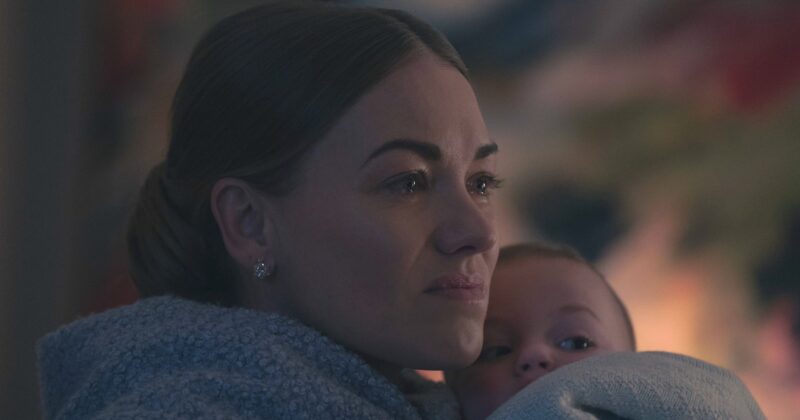
The TV adaptation, helmed by creator Bruce Miller, elevates the source material with a careful eye for both emotional nuance and brutal realism. Featuring standout performances by Yvonne Strahovski as Serena Joy Waterford, Ann Dowd as Aunt Lydia, and Alexis Bledel as Emily, the ensemble delivers layered portrayals that keep viewers invested through every harrowing episode.
Directed by an impressive slate including Mike Barker, Reed Morano, and Kari Skogland, the series crafts a consistently tense yet beautiful visual landscape. The show’s muted color palette, use of stark lighting, and immersive sound design have become part of its storytelling signature, amplifying both hope and terror in equal measure.
The Critical Journey: Acclaim, Controversy, and Course Corrections
Upon its release, the series was almost unanimously praised for its intensity and relevance. The first season was lauded for its visceral storytelling and fearless approach to the themes of subjugation, resistance, and identity. However, the journey was not without its criticisms. Some later seasons, especially the second, faced scrutiny for the relentless depiction of violence against women, with debates emerging about the fine line between raising awareness and crossing into gratuitousness.
After recalibrating in its third season, the series managed to recover both its pace and depth. While subsequent seasons sometimes struggled to advance the plot meaningfully, they continued to provoke thought and conversation around real-world issues echoing Gilead’s dystopia, particularly regarding women’s rights and bodily autonomy.
By its final chapter, The Handmaid’s Tale achieved a resolution that satisfied critics and fans alike, delivering a finale that honored its characters without overstaying its welcome. The announcement of a direct sequel based on Atwood’s novel ‘The Testaments’ has set expectations high for the continuation of this universe.
Why The Handmaid’s Tale Remains Essential Viewing
What makes The Handmaid’s Tale particularly resonant is how its dystopian fiction never feels removed from reality. As global discussions heat up around reproductive freedom and increasing state control, the dramatization of life in Gilead grows only more urgent.
The narrative’s uncanny relevance is underscored by real-world headlines and political debates, making the series a barometer for contemporary anxieties. The calculated depiction of control—not only physical but psychological and societal—makes each episode a thought experiment in resistance and resilience. The technical artistry, from haunting cinematography to a brooding score, invests every scene with gravity and tension rarely matched on streaming platforms.
If you want to deepen your experience, keep an eye on ongoing analyses and adaptation discussions through officially endorsed newsletters or by following the series’ official Hulu page. For those who appreciate television that mirrors and interrogates real-world issues, The Handmaid’s Tale is essential viewing, offering lessons in courage, solidarity, and the ever-present need to challenge systems of oppression.